


Nadezhda Obukhova
Released Album
Opera
-
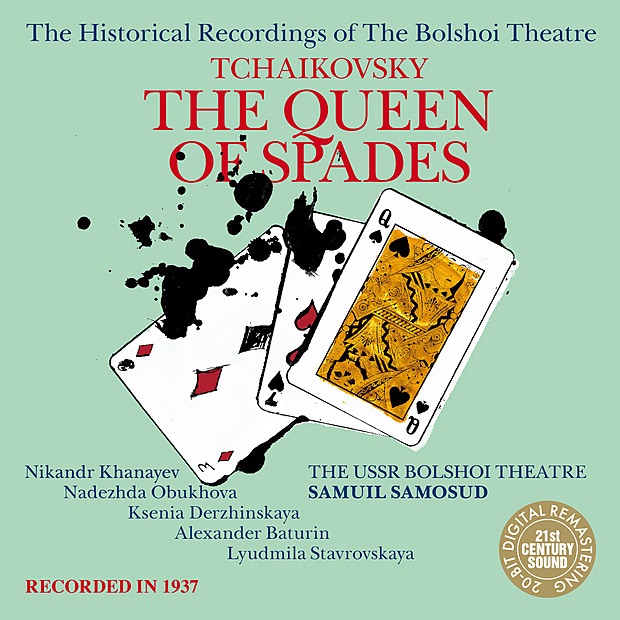 September 27, 2007
 -
-
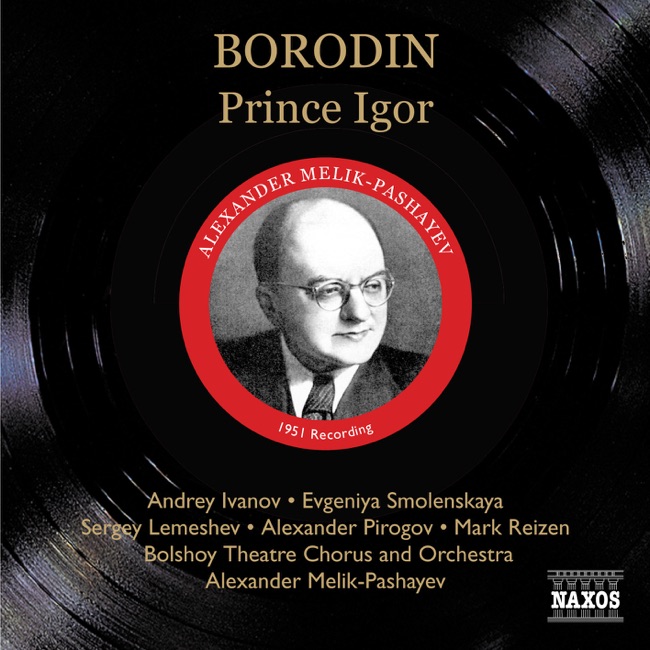
Orchestral
-
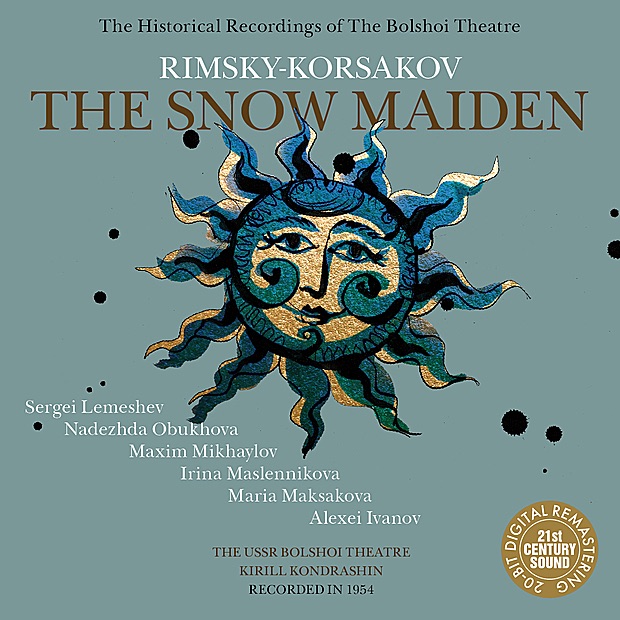 March 24, 2009
Artist Info
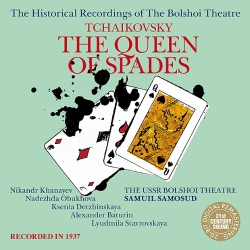
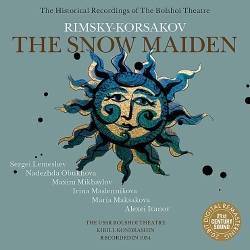
Period:RomanticGenre:OperaVocalNadezhda Obukhova was a renowned Russian mezzo-soprano who was born on July 23, 1886, in St. Petersburg, Russia. She was born into a family of musicians, and her father was a well-known singer and conductor. Obukhova began her musical training at a young age, and by the time she was a teenager, she was already performing in concerts and operas. Obukhova's talent was recognized early on, and she was accepted into the St. Petersburg Conservatory, where she studied under some of the most prominent teachers of the time. She graduated with honors in 1908 and began her professional career as a singer. Obukhova quickly gained a reputation as one of the most talented mezzo-sopranos of her generation. Her voice was powerful and expressive, and she had a remarkable ability to convey emotion through her singing. She was also known for her dramatic stage presence and her ability to bring characters to life on stage. Obukhova's career took off in the early 1910s, and she quickly became a favorite of audiences and critics alike. She made her debut at the Mariinsky Theatre in 1911, where she performed the role of Olga in Tchaikovsky's "Eugene Onegin." Her performance was a huge success, and she was soon invited to perform at other major opera houses throughout Russia and Europe. Obukhova's repertoire was extensive, and she was known for her performances of works by Russian composers such as Tchaikovsky, Mussorgsky, and Rimsky-Korsakov. She also performed works by European composers such as Verdi, Wagner, and Bizet. One of Obukhova's most famous performances was her portrayal of the title role in Mussorgsky's "Boris Godunov." Her performance was widely praised, and it became one of her signature roles. She also received critical acclaim for her performances in Tchaikovsky's "The Queen of Spades" and Rimsky-Korsakov's "The Snow Maiden." Obukhova's career was interrupted by the outbreak of World War I, but she continued to perform whenever possible. She also worked as a nurse during the war, and her experiences inspired her to become involved in humanitarian work later in life. After the war, Obukhova resumed her career and continued to perform throughout Russia and Europe. She also began to teach at the Moscow Conservatory, where she trained a new generation of singers. Obukhova's career reached new heights in the 1920s, and she became one of the most famous singers in the world. She performed in major opera houses in Paris, London, and New York, and she was widely regarded as one of the greatest mezzo-sopranos of all time. Obukhova's career continued to flourish throughout the 1930s, but it was cut short by the outbreak of World War II. She continued to perform whenever possible, but her health began to decline, and she was forced to retire from the stage in 1944. Obukhova continued to be involved in music and humanitarian work after her retirement. She worked as a vocal coach and mentor to young singers, and she also became involved in charity work, particularly for children affected by the war. Obukhova passed away on June 5, 1961, at the age of 74. She left behind a legacy as one of the greatest mezzo-sopranos of all time, and her recordings continue to be treasured by music lovers around the world.More....
Recent Artist Music


Copyright Ⓒ 2013 Davinci Finger. All rights reseved
Service Terms & Policy