


Hans Weisbach
Released Album
Opera
-
-
 January 27, 2014
 -
 June 8, 2010
 -
 March 17, 2009
 -
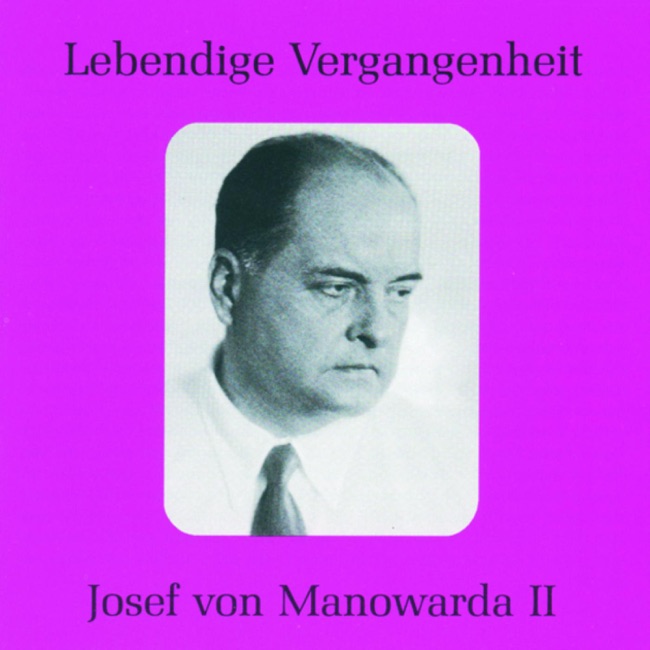 October 24, 2006
 -
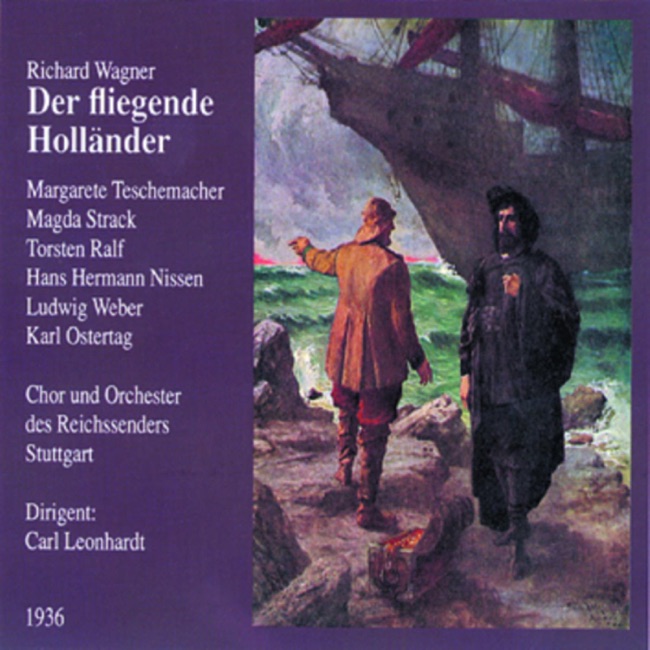 November 23, 1999
Vocal
-
 January 1, 1970
Artist Info
Role:ConductorPeriod:RomanticGenre:OperaHans Weisbach was a renowned classical music artist who made significant contributions to the world of music. He was born on January 15, 1925, in Berlin, Germany. His parents were both musicians, and they encouraged him to pursue music from a young age. Weisbach showed a natural talent for music, and he began playing the piano at the age of five. Weisbach's family moved to the United States in 1938 to escape the growing threat of Nazi Germany. They settled in New York City, where Weisbach continued his music education. He studied at the Juilliard School of Music, where he received a Bachelor of Music degree in 1946. He then went on to study at the Manhattan School of Music, where he earned a Master of Music degree in 1948. After completing his education, Weisbach began his career as a concert pianist. He quickly gained recognition for his exceptional talent and became known for his virtuosic performances. He made his debut at Carnegie Hall in 1950, where he received critical acclaim for his performance of Beethoven's Piano Sonata No. 23 in F minor, Op. 57, also known as the "Appassionata." Throughout his career, Weisbach performed with some of the world's most prestigious orchestras, including the New York Philharmonic, the Boston Symphony Orchestra, and the London Symphony Orchestra. He also performed in many of the world's most famous concert halls, such as the Royal Albert Hall in London, the Musikverein in Vienna, and the Concertgebouw in Amsterdam. Weisbach was known for his interpretations of the works of Beethoven, Mozart, and Chopin. He was particularly admired for his performances of Beethoven's piano sonatas, which he played with great passion and intensity. He also had a deep understanding of the music of Mozart, and his performances of Mozart's piano concertos were highly praised for their clarity and elegance. In addition to his performances as a soloist, Weisbach was also a dedicated chamber musician. He frequently collaborated with other musicians, including violinists, cellists, and other pianists. He was a member of the Chamber Music Society of Lincoln Center and performed regularly with the group. Weisbach received many awards and honors throughout his career. In 1952, he was awarded the Naumburg Award, which is given to outstanding young musicians. He was also a recipient of the Avery Fisher Prize, which is awarded to exceptional musicians who have made significant contributions to the world of classical music. Weisbach was a beloved teacher and mentor to many young musicians. He taught at the Juilliard School of Music and the Manhattan School of Music, where he inspired and encouraged his students to pursue their passion for music. Many of his students went on to have successful careers as musicians and performers. Weisbach continued to perform and teach until his death in 1999. He left behind a legacy of exceptional music and inspired generations of musicians to follow in his footsteps. His recordings and performances continue to be celebrated and admired by music lovers around the world.More....
Recent Artist Music
Copyright Ⓒ 2013 Davinci Finger. All rights reseved
Service Terms & Policy