


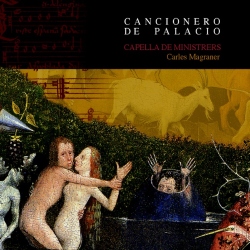
Cancionero de Palacio Anonymous
Released Album
Miscellaneous
-
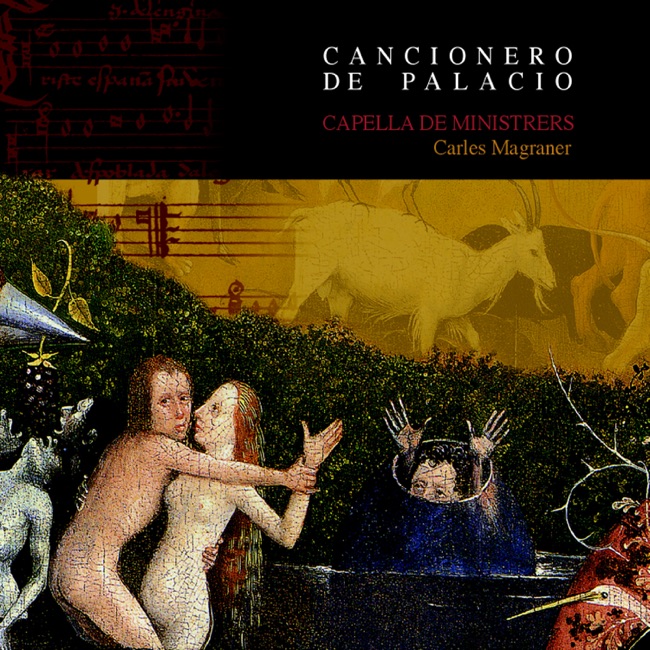 October 26, 2004
 -
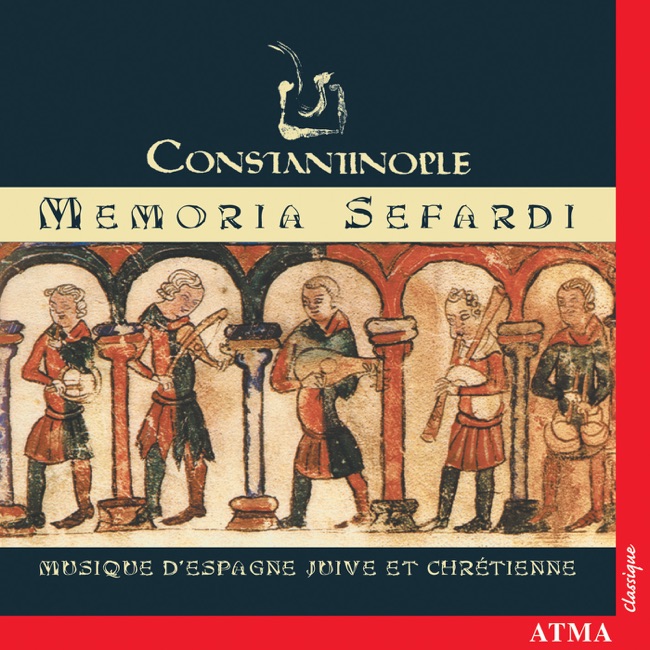 January 1, 2003
 -
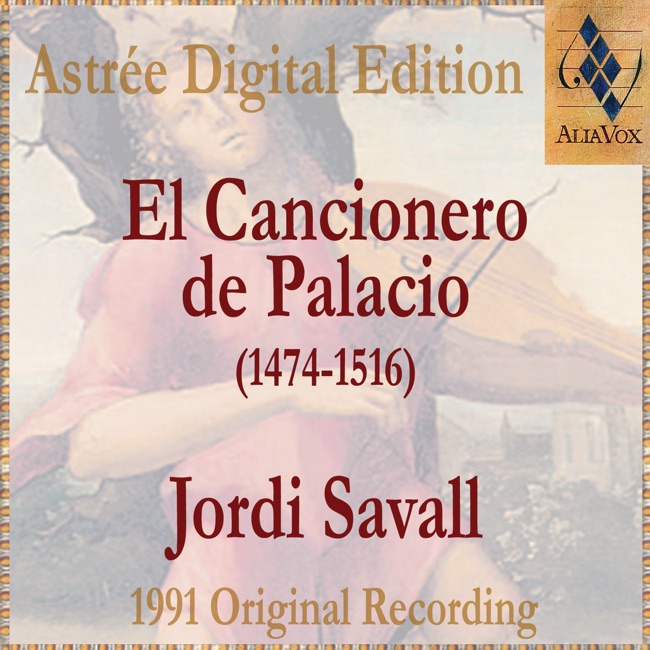 July 11, 2000
 -
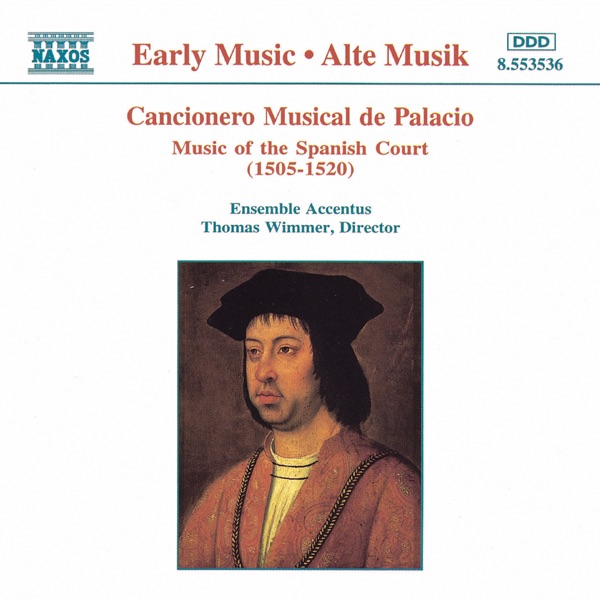 November 5, 1996
Vocal
-
 September 24, 2021
 -
 June 16, 2017
 -
 July 10, 2015
 -
 June 25, 2013
 -
-
 March 29, 2011
Chamber
-
 January 14, 2022
 -
 January 1, 2003
Artist Info
Role:ComposerGenre:ChamberVocalCancionero de Palacio Anonymous is a composer of classical music who is known for his contributions to the Spanish Renaissance music. The composer's identity is unknown, but his works have been preserved in the Cancionero de Palacio, a collection of Spanish secular music from the late 15th and early 16th centuries. The Cancionero de Palacio is a manuscript that contains over 400 pieces of music, including songs, villancicos, and instrumental pieces. The manuscript was compiled in the early 16th century, and it is believed to have been created for the court of Ferdinand II of Aragon and Isabella I of Castile. The manuscript is now housed in the Biblioteca del Palacio Real in Madrid. The music in the Cancionero de Palacio is a reflection of the cultural and musical influences of the time. The music is a blend of Spanish, Italian, and Flemish styles, and it is characterized by its use of polyphony and its complex harmonies. The music is also notable for its use of vernacular language, which was a departure from the traditional use of Latin in religious music. Cancionero de Palacio Anonymous is believed to have contributed several pieces to the Cancionero de Palacio. One of his most famous works is "La Tricotea," a villancico that is still performed today. The piece is a lively and upbeat song that features a catchy melody and intricate harmonies. The lyrics of the song are in Spanish, and they tell the story of a woman who is knitting a sweater for her lover. Another notable work by Cancionero de Palacio Anonymous is "De los alamos vengo, madre," a song that is often performed by choirs. The piece is a hauntingly beautiful song that features a simple melody and a complex harmony. The lyrics of the song are in Spanish, and they tell the story of a young man who has returned home after a long absence. Cancionero de Palacio Anonymous is also believed to have contributed to several other pieces in the Cancionero de Palacio, including "Ay, triste que vengo," "De los buenos tiempos," and "La mi sola, Laureola." These pieces are all examples of the composer's skill in creating complex harmonies and intricate melodies. Despite the fact that the identity of Cancionero de Palacio Anonymous is unknown, his contributions to the Spanish Renaissance music are still celebrated today. His works are still performed by choirs and musicians around the world, and they continue to inspire new generations of composers and musicians.More....
Recent Artist Music
6
1:22
13

7:42
15
2:39
Related Artists
Copyright Ⓒ 2013 Davinci Finger. All rights reseved
Service Terms & Policy