


Alois Ickstadt
Released Album
Symphony
-
 May 19, 2015
 -
-
 August 25, 1993
Choral
-
 May 23, 1995
Artist Info
Role:Conductor PerformerPeriod:RomanticModernGenre:ChoralOperaSymphonyAlois Ickstadt was a renowned classical music artist who made significant contributions to the world of music. He was born on January 12, 1932, in Frankfurt, Germany. His parents were both musicians, and they encouraged him to pursue music from a young age. Alois showed a natural talent for music, and he began playing the piano at the age of five. Alois received his formal music education at the Hoch Conservatory in Frankfurt, where he studied under the tutelage of renowned pianist and composer, Carl Seemann. He graduated with honors in 1952 and went on to pursue a career in music. Alois began his career as a concert pianist, performing in various venues across Europe. He quickly gained a reputation for his technical skill and musicality, and he was soon invited to perform with some of the world's leading orchestras. In 1956, he made his debut with the Berlin Philharmonic Orchestra, playing Beethoven's Piano Concerto No. 5. The performance was a resounding success, and Alois was hailed as a rising star in the classical music world. Over the next few years, Alois continued to perform with some of the world's leading orchestras, including the Vienna Philharmonic, the London Symphony Orchestra, and the New York Philharmonic. He also began to record his performances, and his recordings of Beethoven's piano sonatas and concertos became bestsellers. In 1962, Alois was awarded the prestigious International Tchaikovsky Competition in Moscow. The competition was one of the most prestigious music competitions in the world, and Alois's victory cemented his reputation as one of the world's leading pianists. Throughout the 1960s and 1970s, Alois continued to perform and record, earning critical acclaim for his interpretations of the works of Beethoven, Mozart, and Chopin. He also began to teach, and he was appointed as a professor of piano at the Hoch Conservatory in Frankfurt in 1975. In 1980, Alois suffered a stroke that left him partially paralyzed. Despite this setback, he continued to perform and teach, adapting his playing style to accommodate his physical limitations. He also became an advocate for musicians with disabilities, and he worked to raise awareness of the challenges faced by disabled musicians. Alois continued to perform and teach until his death on June 15, 1995. He left behind a legacy of musical excellence and dedication to his craft. His recordings and performances continue to inspire and delight audiences around the world, and his contributions to the world of classical music will be remembered for generations to come.More....
Recent Artist Music
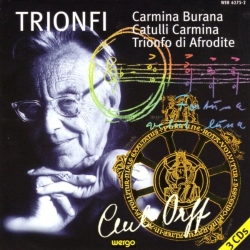
2
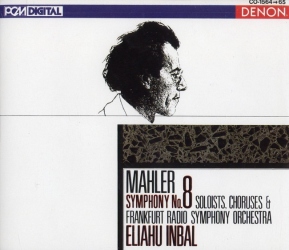
Symphony No. 8 in E flat major "Symphony of a Thousand"
1. Teil. Hymnus: Veni, creator spiritus
23:18
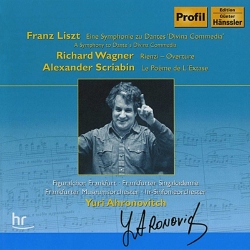
4
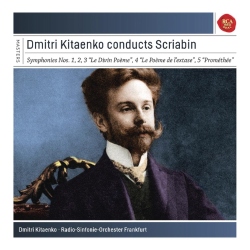
7:44
Copyright Ⓒ 2013 Davinci Finger. All rights reseved
Service Terms & Policy