


László Tihanyi
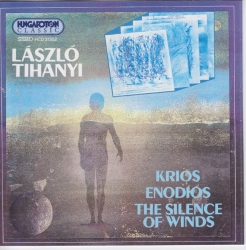
Released Album
Chamber
-
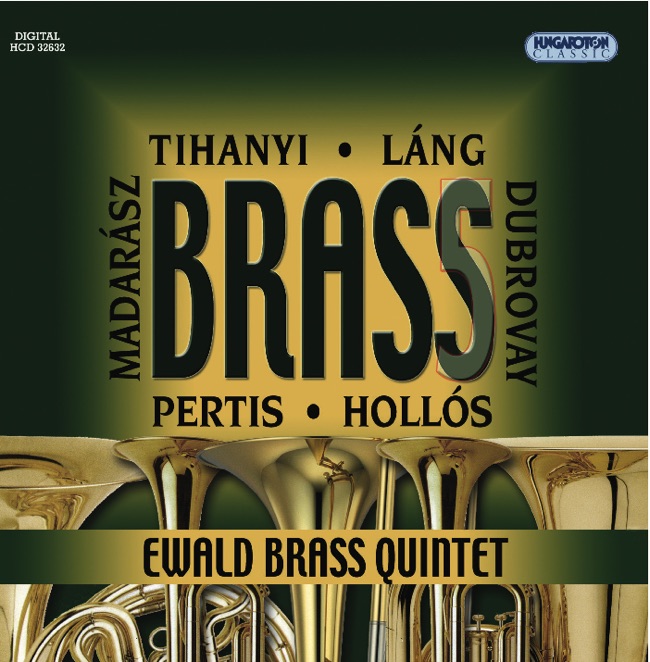 April 12, 2009
 -
 April 26, 2005
 -
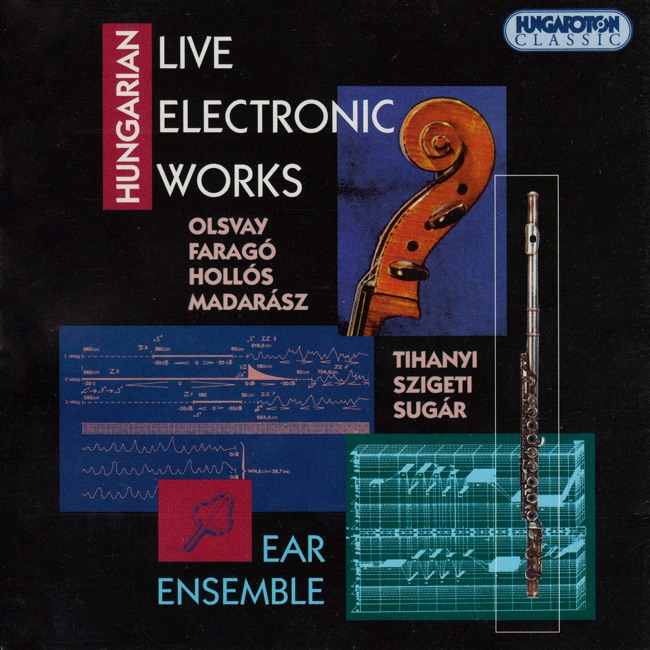 November 21, 2000
Orchestral
-
 May 23, 1995
Choral
-
 February 27, 2001
Artist Info
Role:Composer ConductorBirth:1956Period:ContemporaryModernGenre:Avant-GardeChoralOrchestralLászló Tihanyi was a Hungarian composer and pianist who was born on August 22, 1936, in Budapest, Hungary. He was the son of a music teacher and grew up in a musical family. His father was a pianist and his mother was a singer, and they both encouraged him to pursue a career in music. Tihanyi began playing the piano at a young age and showed great talent. He studied at the Franz Liszt Academy of Music in Budapest, where he was taught by some of the most renowned Hungarian composers of the time, including Zoltán Kodály and Béla Bartók. He also studied composition with Ferenc Farkas and piano with Pál Kadosa. Tihanyi's early works were heavily influenced by the folk music of Hungary, which he had been exposed to from a young age. He was particularly interested in the music of the Roma people, and he incorporated elements of their music into his compositions. His early works were also influenced by the music of Bartók and Kodály, who were both known for their use of folk music in their compositions. Tihanyi's first major work was his Piano Concerto No. 1, which he composed in 1958. The concerto was well-received and helped establish Tihanyi as a promising young composer. He went on to compose several other works for piano, including his Piano Sonata No. 1, which was premiered in 1960. In the 1960s, Tihanyi began to experiment with electronic music. He was fascinated by the possibilities of using electronic instruments to create new sounds and textures, and he began to incorporate electronic elements into his compositions. His most famous electronic work is his Electronic Music No. 1, which was composed in 1967. Tihanyi's music was often characterized by its use of unconventional techniques and instruments. He was known for his use of prepared piano, which involved placing objects on the strings of the piano to create new sounds. He also experimented with aleatoric music, which involved introducing chance elements into the composition process. Tihanyi's later works were more experimental and avant-garde than his earlier works. He continued to explore new sounds and techniques, and his compositions became increasingly complex and challenging. Some of his most notable works from this period include his String Quartet No. 2, which was composed in 1972, and his Symphony No. 2, which was composed in 1975. Tihanyi was also a respected pianist and performed his own works as well as the works of other composers. He was known for his virtuosic playing and his ability to bring out the nuances and subtleties of the music. Tihanyi's contributions to Hungarian music were recognized with several awards and honors. He was awarded the Kossuth Prize, Hungary's highest cultural award, in 1978. He was also a member of the Hungarian Academy of Arts and Sciences. Tihanyi continued to compose and perform until his death on December 31, 1990, in Budapest, Hungary. He left behind a legacy of innovative and groundbreaking music that continues to inspire and influence composers today.More....
Recent Artist Music
Copyright Ⓒ 2013 Davinci Finger. All rights reseved
Service Terms & Policy