


István Szigeti
Released Album
Chamber
-
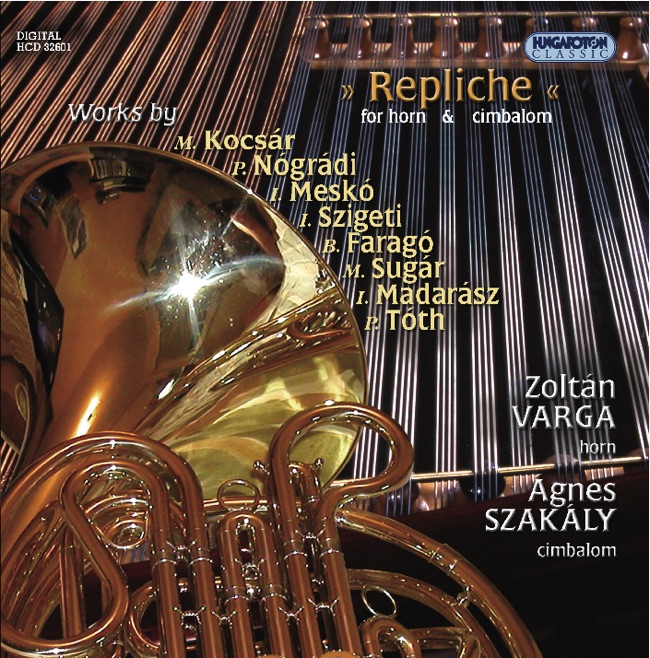 April 9, 2009
 -
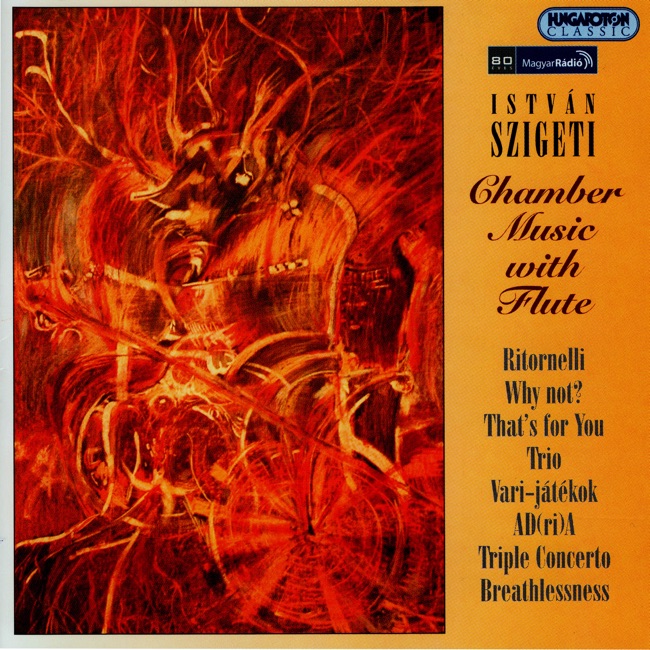 July 23, 2005
 -
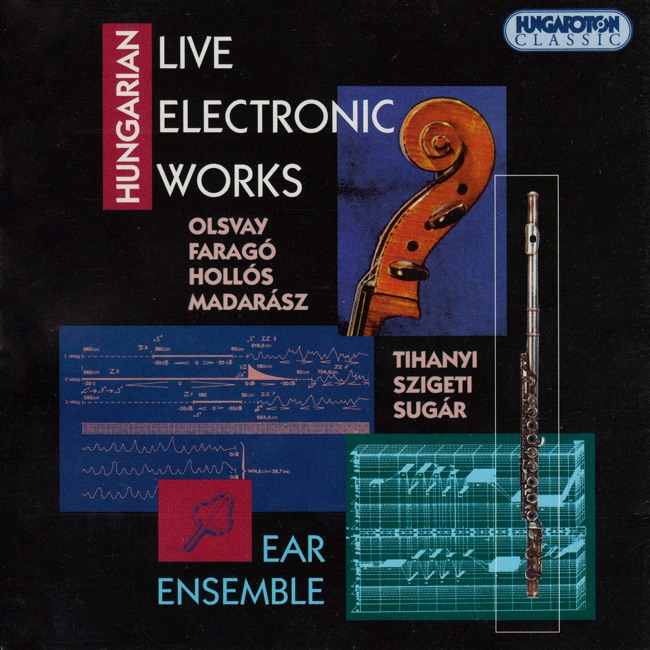 November 21, 2000
Electronic/Computer
-
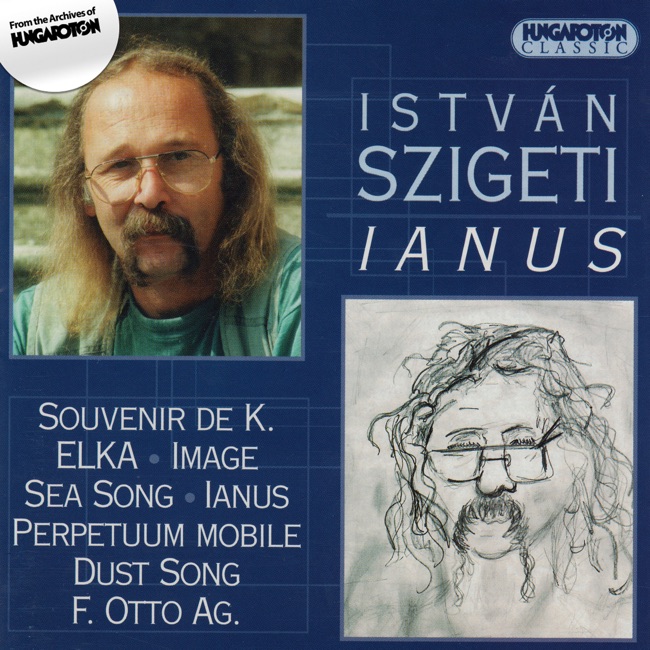 June 26, 2001
Artist Info
Role:ComposerPeriod:ContemporaryGenre:Avant-GardeConcertoIstván Szigeti was a Hungarian composer and pianist who lived from 1906 to 1972. He was born in Budapest, Hungary, and showed an early interest in music. His parents recognized his talent and encouraged him to pursue a career in music. Szigeti began studying piano at a young age and later attended the Franz Liszt Academy of Music in Budapest, where he studied composition with Zoltán Kodály. Szigeti's early compositions were influenced by the folk music of Hungary, which he had grown up listening to. He was also influenced by the works of Béla Bartók, who was a close friend and mentor. Szigeti's music was characterized by its use of Hungarian folk melodies and rhythms, as well as its modernist harmonies and structures. One of Szigeti's early works was his Piano Sonata No. 1, which he composed in 1928. The sonata was well-received and helped establish Szigeti as a promising young composer. He continued to compose throughout the 1930s, and his works were performed in Hungary and other European countries. In 1940, Szigeti was drafted into the Hungarian army and served in World War II. He was captured by the Soviet army in 1944 and spent several years in a prisoner-of-war camp. During this time, he continued to compose music in his head, but was unable to write it down. After his release in 1947, Szigeti returned to Hungary and resumed his career as a composer and pianist. One of Szigeti's most famous works is his Piano Concerto No. 1, which he composed in 1950. The concerto is characterized by its virtuosic piano writing and its use of Hungarian folk melodies. It was premiered by the Hungarian State Orchestra, with Szigeti himself as the soloist. The concerto was well-received and helped establish Szigeti as one of Hungary's leading composers. Szigeti continued to compose throughout the 1950s and 1960s, and his works were performed in Hungary and other countries. He also taught composition at the Franz Liszt Academy of Music, where his students included György Ligeti and György Kurtág. One of Szigeti's later works was his String Quartet No. 3, which he composed in 1968. The quartet is characterized by its use of dissonant harmonies and its complex rhythms. It was premiered by the Hungarian String Quartet and was well-received by audiences and critics alike. Szigeti died in Budapest in 1972, leaving behind a legacy of innovative and influential compositions. His music continues to be performed and recorded today, and he is remembered as one of Hungary's most important composers of the 20th century.More....
Recent Artist Music
Copyright Ⓒ 2013 Davinci Finger. All rights reseved
Service Terms & Policy