


Béla Faragó
Released Album
Chamber
-
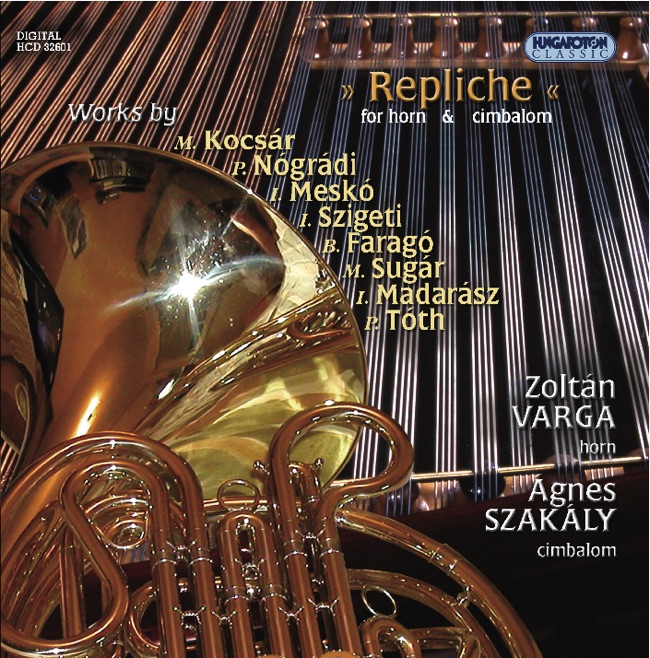 April 9, 2009
 -
-
 March 21, 2001
 -
 March 21, 2001
 -
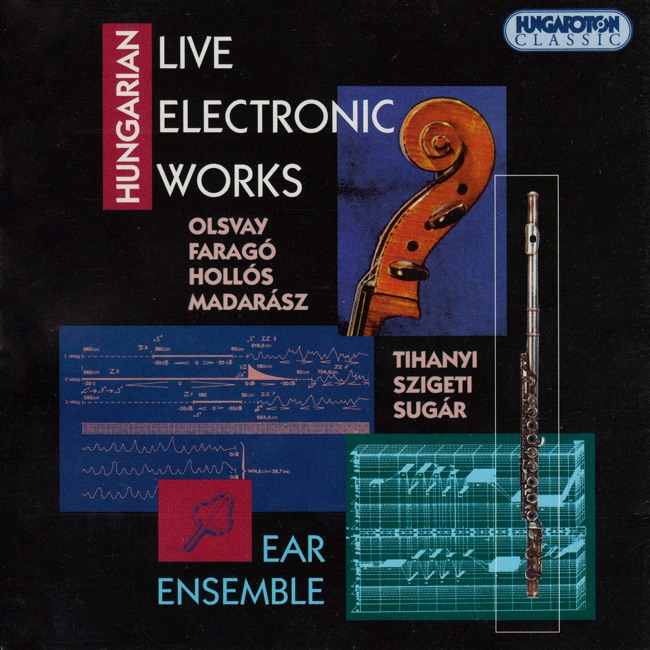 November 21, 2000
 -
 September 1, 1999
Vocal
-
 January 6, 2004
Opera
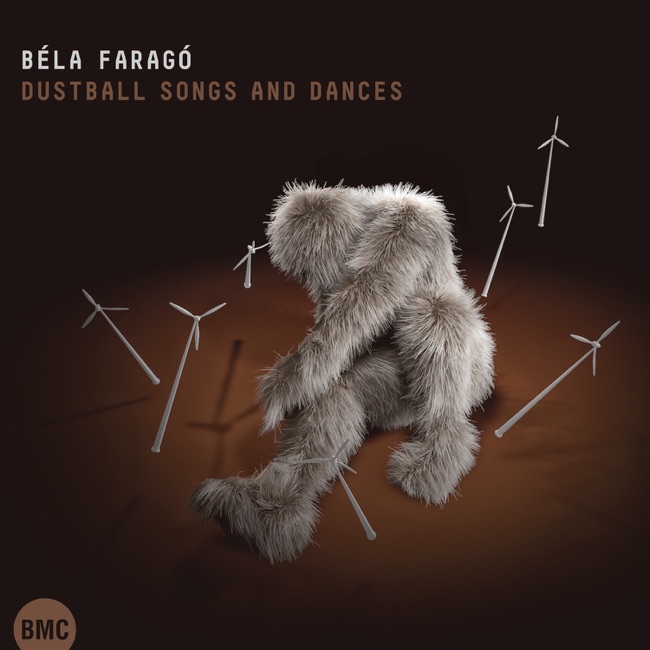
Choral
-
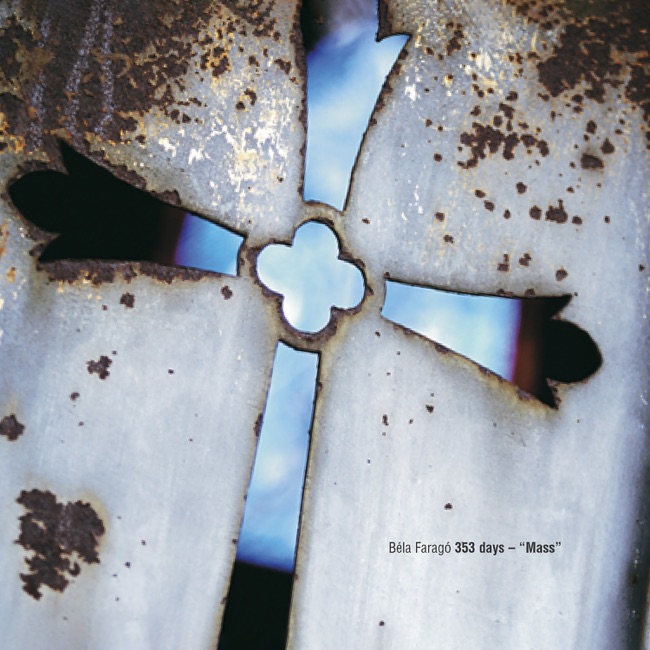 February 27, 2001
Artist Info
Role:Composer ConductorBirth:1961Period:ContemporaryGenre:Avant-GardeChamberChoralVocalBéla Faragó was a Hungarian classical music artist who was born on January 1, 1921, in Budapest, Hungary. He was a renowned pianist, conductor, and composer who made significant contributions to the world of classical music. Faragó began his musical journey at a young age, showing a natural talent for the piano. He received his first piano lessons from his mother, who was a pianist herself. He later went on to study at the Franz Liszt Academy of Music in Budapest, where he was trained by some of the most prominent musicians of the time. Faragó's talent as a pianist was quickly recognized, and he began performing in concerts and recitals across Europe. He made his debut as a soloist with the Budapest Philharmonic Orchestra in 1942, performing Beethoven's Piano Concerto No. 3. This performance was a huge success, and it marked the beginning of Faragó's career as a concert pianist. Over the years, Faragó performed with some of the most prestigious orchestras in the world, including the Berlin Philharmonic, the Vienna Philharmonic, and the New York Philharmonic. He also collaborated with many renowned conductors, such as Herbert von Karajan, Leonard Bernstein, and Georg Solti. Faragó's repertoire was vast, and he was known for his interpretations of the works of Beethoven, Mozart, and Chopin. He was also a champion of contemporary music and premiered many works by Hungarian composers, including György Ligeti and Zoltán Kodály. In addition to his career as a pianist, Faragó was also a respected conductor. He served as the music director of the Hungarian State Opera from 1951 to 1956 and later conducted many orchestras around the world, including the London Symphony Orchestra and the Chicago Symphony Orchestra. Faragó was also a prolific composer, and his works were performed by many orchestras and chamber ensembles. His compositions were influenced by Hungarian folk music and often featured virtuosic piano writing. Throughout his career, Faragó received many awards and honors for his contributions to classical music. He was awarded the Kossuth Prize, Hungary's highest cultural honor, in 1953 and was made an honorary member of the Royal Academy of Music in London in 1976. He was also awarded the Order of Merit of the Republic of Hungary in 1991. Faragó continued to perform and compose until his death on December 30, 1988, in Budapest. He left behind a legacy as one of Hungary's greatest classical music artists, and his contributions to the world of music continue to be celebrated today.More....
Recent Artist Music
1
10:34
7
11:35
9
Has it not Become Colder? (Nem lit-e hűvösebb?)
Béla Faragó - László Hortobágyi Has it not Become Colder? / Nem lett-e hűvösebb?
19:16
Copyright Ⓒ 2013 Davinci Finger. All rights reseved
Service Terms & Policy