


Sébastien de Brossard
Released Album
Choral
-
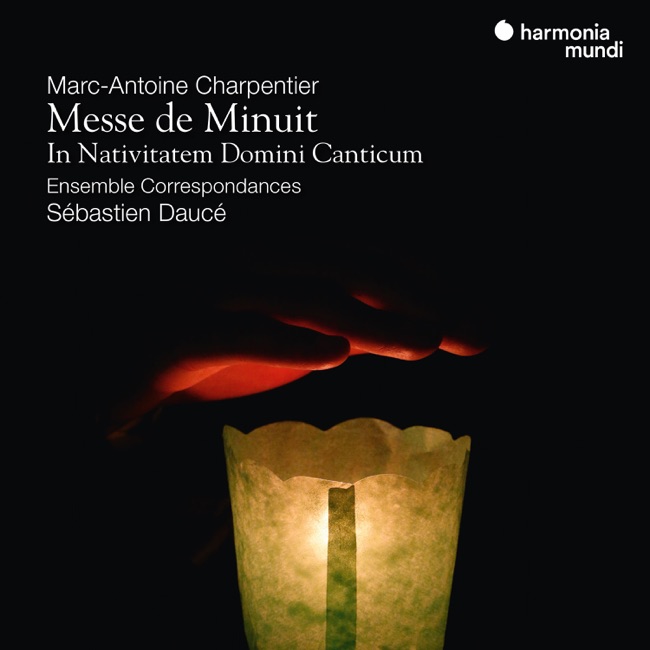
-
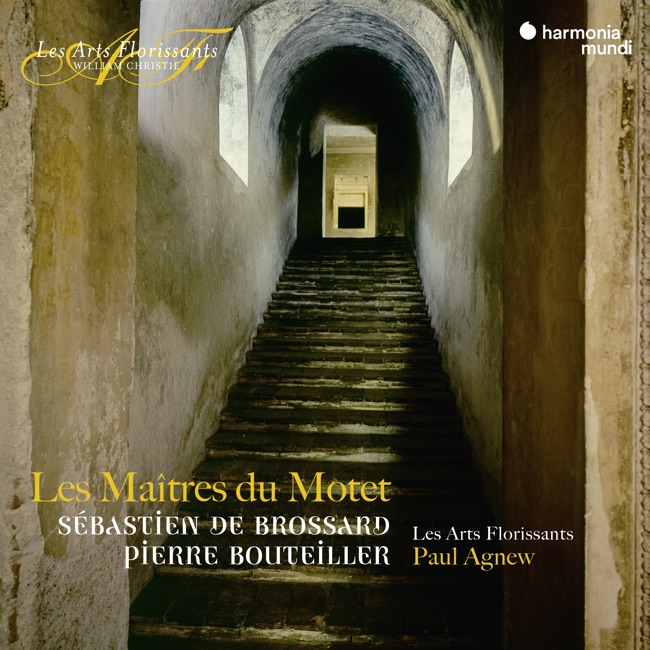 September 28, 2018
 -
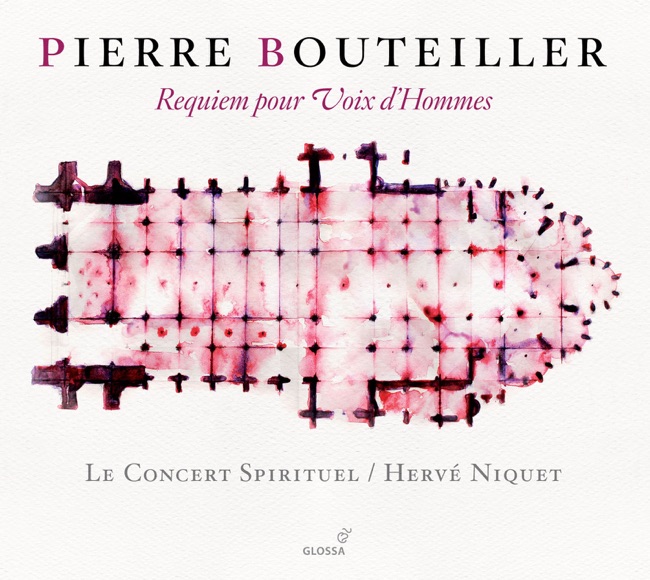 November 8, 2010
 -
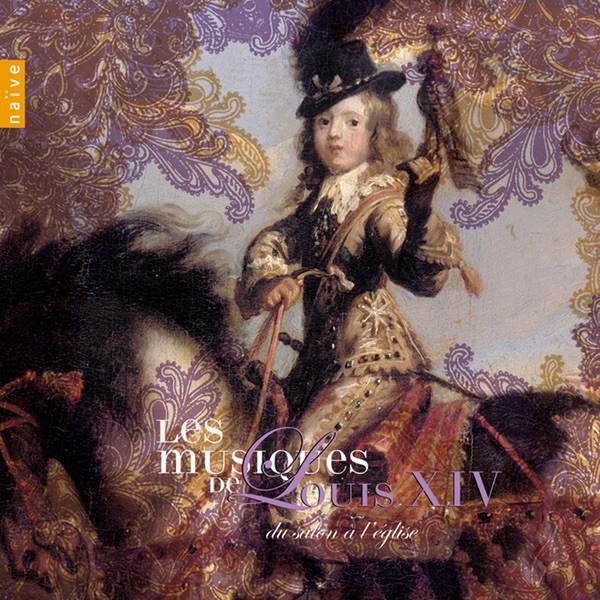 September 29, 2009
 -
 November 12, 2002
 -
 September 7, 1999
Miscellaneous
-
 April 1, 1999
 -
 October 1, 1997
 -
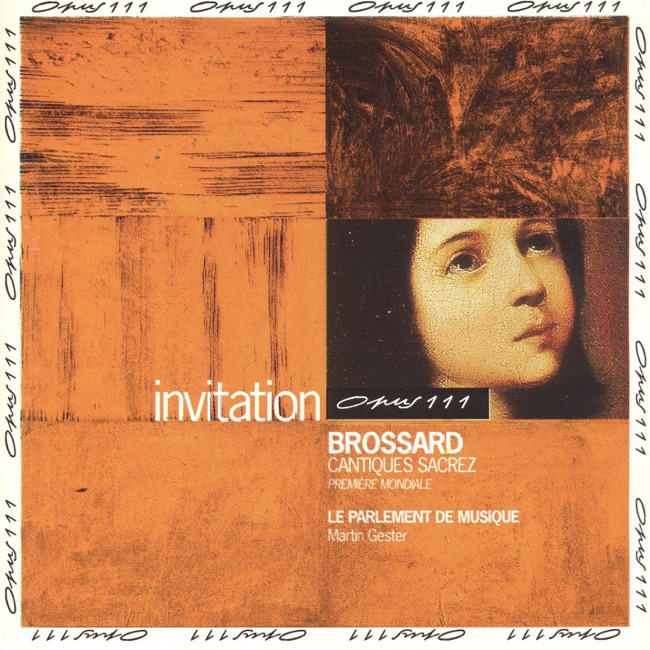 January 1, 1992
Artist Info
Role:ComposerCountry: FranceBirth:September 12, 1655Death:August 10, 1730Period:BaroqueGenre:ChoralSébastien de Brossard was a French composer, music theorist, and collector of music manuscripts. He was born on September 12, 1655, in Dompierre-sur-Besbre, France. His father was a lawyer, and his mother was a member of the nobility. Brossard showed an early interest in music and began studying the organ at a young age. Brossard's musical education began in earnest when he was sent to study with the organist of the local church. He quickly showed a talent for the instrument and was soon playing in public. In 1676, he moved to Paris to study with the famous organist and composer François Roberday. While in Paris, Brossard also studied with the composer Jean-Baptiste Lully. In 1685, Brossard was appointed as the organist at the Cathedral of Meaux. He held this position for over 30 years and became known for his skill as an organist and composer. During this time, he also became interested in music theory and began collecting music manuscripts. Brossard's collection of music manuscripts became one of the largest in France and included works by many famous composers, including Johann Sebastian Bach, George Frideric Handel, and Antonio Vivaldi. He also wrote several treatises on music theory, including "Dictionnaire de musique" and "L'Art du contrepoint." As a composer, Brossard is best known for his sacred music. He wrote several masses, motets, and other works for the church. His music is characterized by its use of counterpoint and its adherence to the rules of harmony. Brossard's music was highly regarded during his lifetime, and he was considered one of the leading composers of his time. One of Brossard's most famous works is his "Missa Christi Resurgentis." This mass was written for Easter and is notable for its use of a double choir. The work is divided into two parts, with each choir singing different parts of the mass. The effect is a rich and complex sound that is both beautiful and awe-inspiring. Another notable work by Brossard is his "Sonata for Violin and Continuo in D Major." This work is a prime example of Brossard's skill as a composer of instrumental music. The sonata is written in the Baroque style and features a virtuosic violin part that is both challenging and beautiful. Brossard's music was highly influential during his lifetime and continued to be performed and studied long after his death. His collection of music manuscripts was also an important resource for later composers and scholars, providing a glimpse into the musical practices of the past. In conclusion, Sébastien de Brossard was a highly skilled composer, music theorist, and collector of music manuscripts. His music was characterized by its use of counterpoint and adherence to the rules of harmony. Brossard's works, such as his "Missa Christi Resurgentis" and "Sonata for Violin and Continuo in D Major," continue to be performed and studied today, and his collection of music manuscripts remains an important resource for scholars and musicians alike.More....
Recent Artist Music
11
Miserere May
Miserere mei Deus SdB. 53 pour une voix de dessus et basse continue avec alternés en faux-bourdon
13:15
Copyright Ⓒ 2013 Davinci Finger. All rights reseved
Service Terms & Policy