


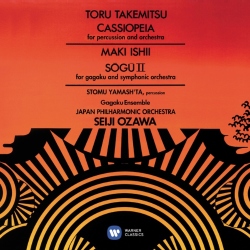
Stomu Yamashta
Released Album
Chamber
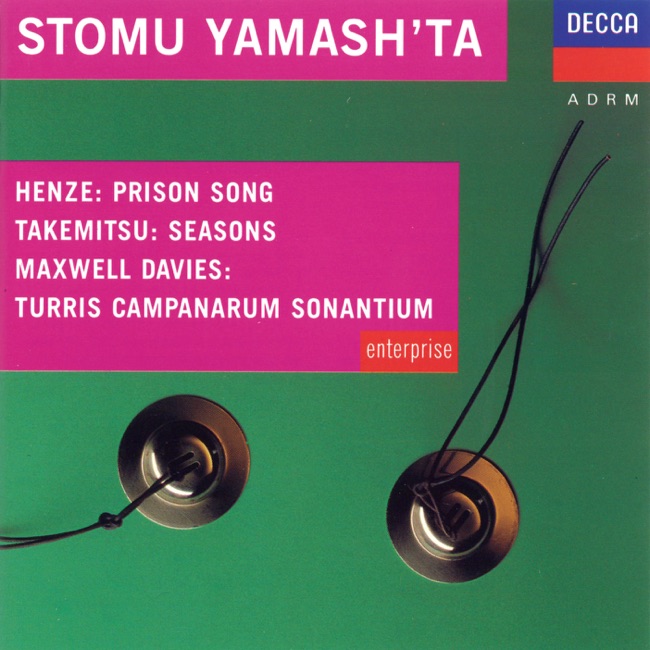
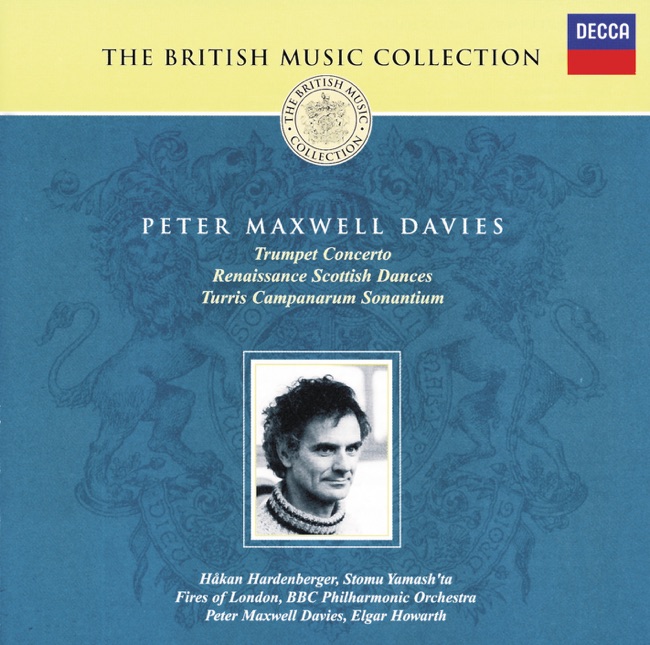
Concerto
-
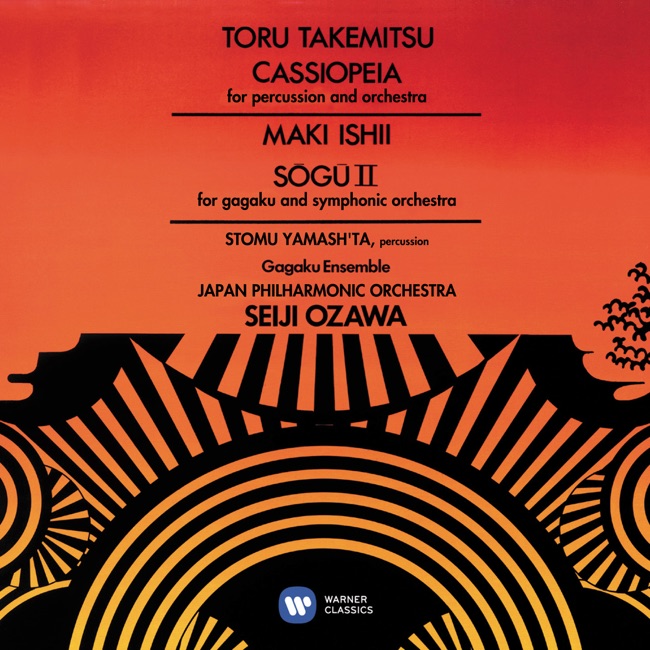 June 7, 2019
Artist Info
Country: JapanBirth:March 15, 1947 in Kyoto, JapanStomu Yamashta was a Japanese composer, percussionist, and keyboardist who made significant contributions to the world of classical music. He was born on March 15, 1947, in Kyoto, Japan, and grew up in a family that was deeply involved in the arts. His father was a painter, and his mother was a dancer, which influenced his interest in music and the arts from a young age. Yamashta began his musical career as a drummer in a local band in Kyoto. He later moved to Tokyo, where he joined the band The Flower Travellin' Band, which was known for its psychedelic rock music. Yamashta's drumming skills were highly regarded, and he quickly gained a reputation as one of the best drummers in Japan. In the early 1970s, Yamashta moved to London, where he began to explore different genres of music, including jazz and classical music. He formed the band East Wind, which combined elements of jazz and rock music. The band released several albums, including "Freedom Is Frightening" and "One by One." In 1971, Yamashta was invited to perform at the Edinburgh Festival, where he premiered his composition "Red Buddha." The piece was a fusion of traditional Japanese music and Western classical music and was well-received by audiences and critics alike. Yamashta's next major project was the album "Rainbow Bridge," which was released in 1972. The album featured collaborations with musicians such as Steve Winwood, Michael Shrieve, and Klaus Schulze. The album was a critical and commercial success and helped to establish Yamashta as a major figure in the world of progressive rock music. In 1973, Yamashta formed the band Go, which included musicians such as Steve Winwood, Al Di Meola, and Klaus Schulze. The band released several albums, including "Go" and "Go Live from Paris." The band's music was a fusion of rock, jazz, and classical music and was highly innovative and experimental. Yamashta continued to explore different genres of music throughout his career. In 1976, he released the album "Go Too," which featured collaborations with musicians such as Michael Shrieve, Pat Thrall, and Mick Karn. The album was a departure from Yamashta's earlier work and was more focused on electronic music. In the late 1970s, Yamashta began to focus more on classical music. He composed several works for orchestra, including "Seventh Heaven," which was premiered by the London Symphony Orchestra in 1977. The piece was a fusion of classical music and rock music and was highly innovative and experimental. Yamashta continued to compose and perform throughout the 1980s and 1990s. He collaborated with musicians such as Peter Gabriel, David Sylvian, and Jon Anderson. He also composed several film scores, including the score for the film "The Man Who Fell to Earth." Yamashta's contributions to the world of classical music were recognized with several awards and honors. In 1977, he was awarded the Grand Prix du Disque for his album "Go Live from Paris." In 1984, he was awarded the Japan Record Award for his album "Sea and Sky." Yamashta passed away on December 15, 2011, at the age of 64. His contributions to the world of classical music continue to be celebrated and remembered by music lovers around the world.More....
Recent Artist Music

Copyright Ⓒ 2013 Davinci Finger. All rights reseved
Service Terms & Policy