


Maki Ishii
Released Album
Chamber
-
-
 November 19, 2013
 -
 July 29, 2003
 -
 May 29, 2001
 -
 February 27, 2001
 -
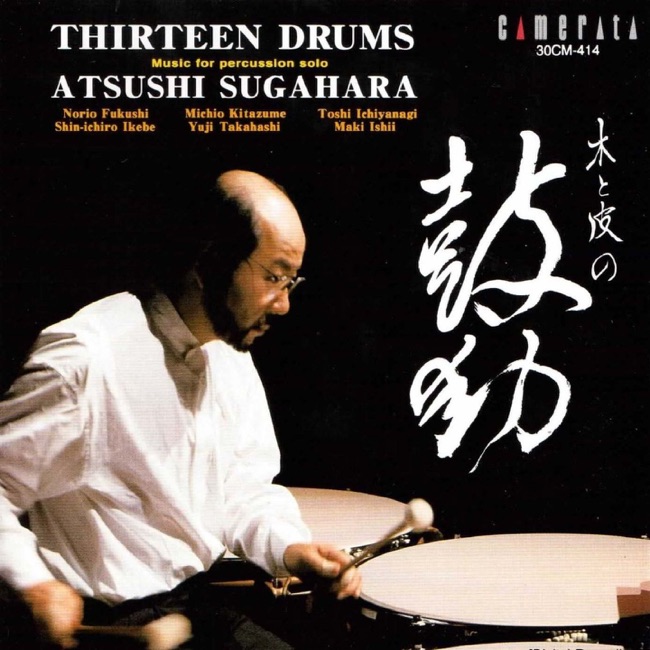 June 18, 1996
Miscellaneous
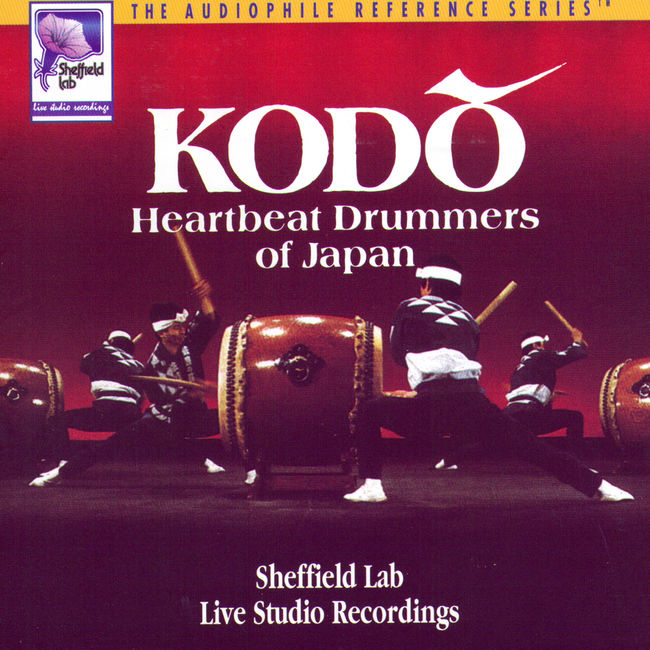
Vocal
-
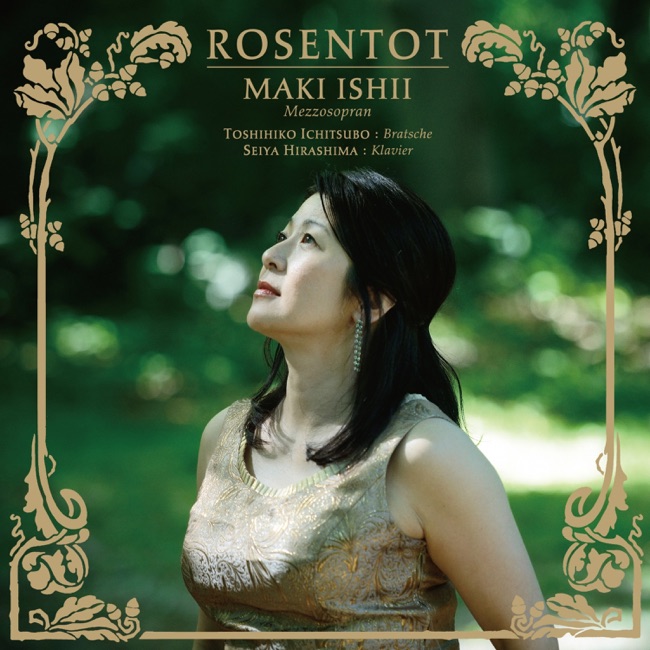 November 16, 2018
Artist Info
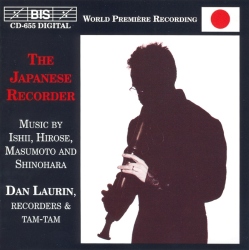
Role:Composer ConductorCountry: JapanBirth:May 28, 1936 in Tokyo, JapanDeath:April 8, 2003 in Tokyo, JapanPeriod:ContemporaryGenre:ChamberOrchestralMaki Ishii was a Japanese composer who was born on August 28, 1936, in Tokyo, Japan. He was the son of a composer and a pianist, and his parents encouraged him to pursue music from a young age. Ishii began studying the piano at the age of four and later learned to play the violin and the cello. Ishii's early musical education was heavily influenced by Western classical music, and he studied composition at the Tokyo National University of Fine Arts and Music. However, he was also interested in traditional Japanese music and began to incorporate elements of it into his compositions. In the 1960s, Ishii became involved with the avant-garde music scene in Japan and began to experiment with new forms of music. He was particularly interested in the use of percussion instruments and became known for his innovative compositions that combined traditional Japanese instruments with Western percussion. One of Ishii's most famous works is his 1974 composition "Mono-Prism," which was inspired by the traditional Japanese instrument called the sho. The piece features a large ensemble of percussion instruments, including taiko drums, gongs, and cymbals, as well as the sho. The sho is a type of mouth organ that produces a unique, ethereal sound, and Ishii used it to create a haunting, otherworldly atmosphere in the piece. Another notable work by Ishii is his 1981 composition "South-Fire-Sea," which was commissioned by the Boston Symphony Orchestra. The piece is a concerto for percussion and orchestra and features a wide range of percussion instruments, including marimbas, xylophones, and timpani. The piece is notable for its complex rhythms and intricate interplay between the percussion and the orchestra. Ishii's music was heavily influenced by his interest in traditional Japanese culture, and he often incorporated elements of Japanese folk music and theater into his compositions. For example, his 1976 composition "Kyokan" was inspired by the traditional Japanese puppet theater known as bunraku. The piece features a solo shakuhachi (a type of Japanese flute) and a large ensemble of percussion instruments, and it is characterized by its haunting, meditative quality. Throughout his career, Ishii was recognized as one of Japan's most important contemporary composers. He received numerous awards and honors, including the Japan Art Academy Prize, the Suntory Music Award, and the Order of the Rising Sun. He also served as the director of the Tokyo National University of Fine Arts and Music from 1997 to 2001. Sadly, Ishii passed away on March 8, 2003, at the age of 66. However, his legacy lives on through his music, which continues to be performed and admired by musicians and audiences around the world. His innovative use of percussion instruments and his incorporation of traditional Japanese music into his compositions have had a lasting impact on the world of contemporary classical music.More....
Recent Artist Music



Copyright Ⓒ 2013 Davinci Finger. All rights reseved
Service Terms & Policy