


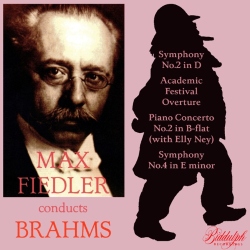
Max Fiedler
Released Album
Concerto
-
 October 12, 2018
Symphony
-
 October 1, 2001
 -
Opera
-
 October 5, 2018
Artist Info
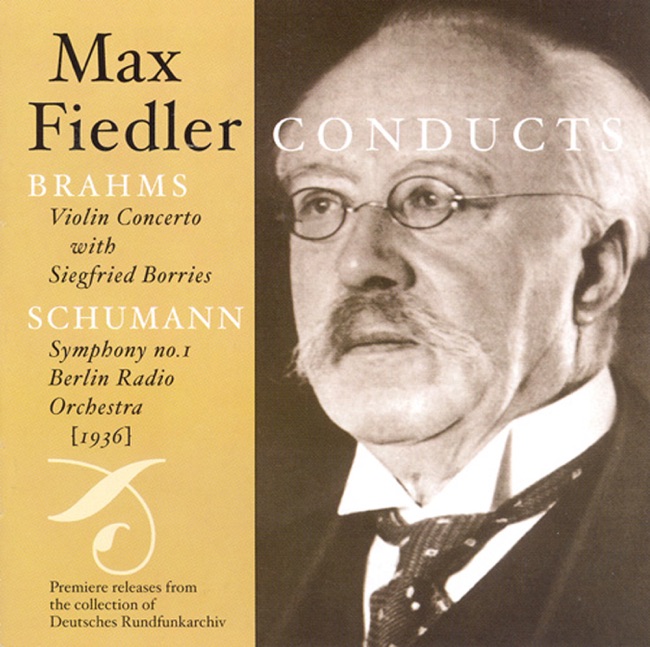
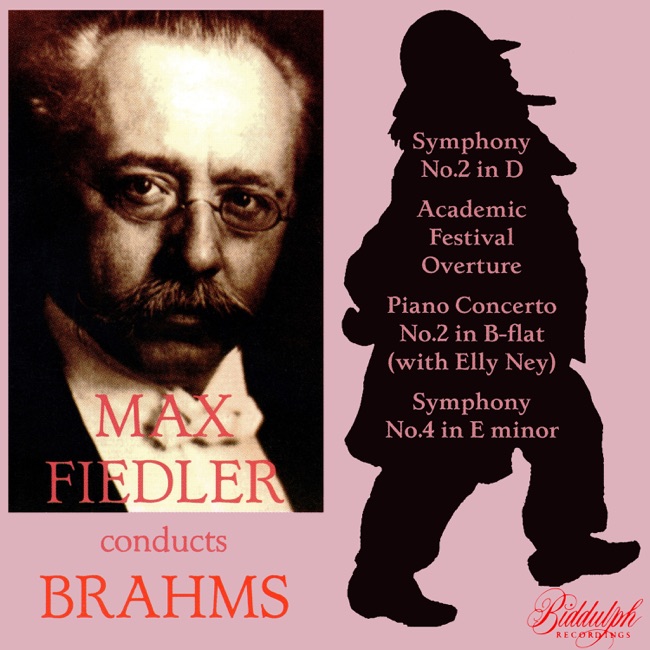
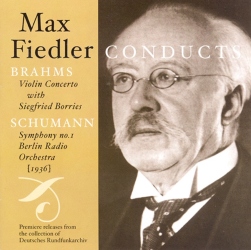
Role:Composer ConductorPeriod:RomanticModernGenre:ConcertoSymphonyMax Fiedler was a renowned German conductor and composer who made significant contributions to the world of classical music during the late 19th and early 20th centuries. Born on October 15, 1859, in Zwickau, Germany, Fiedler was the son of a music teacher and grew up in a family that was deeply involved in music. He showed an early interest in music and began playing the piano at the age of six. Fiedler received his formal music education at the Leipzig Conservatory, where he studied under the tutelage of renowned composers and conductors such as Carl Reinecke and Arthur Nikisch. He graduated from the conservatory in 1882 and began his career as a conductor in various German cities, including Bremen, Königsberg, and Frankfurt. In 1895, Fiedler was appointed as the conductor of the Berlin Philharmonic Orchestra, one of the most prestigious orchestras in the world. He held this position for six years and during this time, he established himself as one of the leading conductors of his generation. He was known for his meticulous attention to detail and his ability to bring out the best in his musicians. Fiedler's tenure with the Berlin Philharmonic Orchestra was marked by several notable performances, including a performance of Beethoven's Ninth Symphony in 1897, which was attended by the German Emperor Wilhelm II. Fiedler also conducted the premiere of Richard Strauss's tone poem "Ein Heldenleben" in 1898, which was a great success and helped establish Strauss as one of the leading composers of the time. In 1901, Fiedler left the Berlin Philharmonic Orchestra to become the conductor of the Hamburg State Opera. He held this position for five years and during this time, he conducted several notable productions, including Wagner's "Tristan und Isolde" and "Die Meistersinger von Nürnberg." In 1906, Fiedler was appointed as the conductor of the Vienna State Opera, one of the most prestigious opera companies in the world. He held this position for six years and during this time, he conducted several notable productions, including Mozart's "Don Giovanni" and "The Marriage of Figaro," as well as Wagner's "Parsifal." Fiedler was also a prolific composer and wrote several works for orchestra, including a symphony, a piano concerto, and several tone poems. His music was well-received by audiences and critics alike, and he was regarded as one of the leading composers of his time. In addition to his work as a conductor and composer, Fiedler was also a respected music educator. He taught at the Leipzig Conservatory and the Vienna Music Academy, and his students included several notable musicians, including the conductor Bruno Walter. Fiedler's career was marked by several notable awards and honors. In 1908, he was awarded the title of "Hofkapellmeister" by the Austrian Emperor Franz Joseph I, which was one of the highest honors that could be bestowed upon a musician in Austria. He was also awarded the Order of the Red Eagle by the German Emperor Wilhelm II in recognition of his contributions to the Berlin Philharmonic Orchestra. Max Fiedler died on December 1, 1939, in Vienna, Austria, at the age of 80. He left behind a legacy as one of the leading conductors and composers of his time, and his contributions to the world of classical music continue to be celebrated and admired to this day.More....
Recent Artist Music
1
14:15
4
13:28

Copyright Ⓒ 2013 Davinci Finger. All rights reseved
Service Terms & Policy