


Adrian Willaert
Released Album
Vocal
-
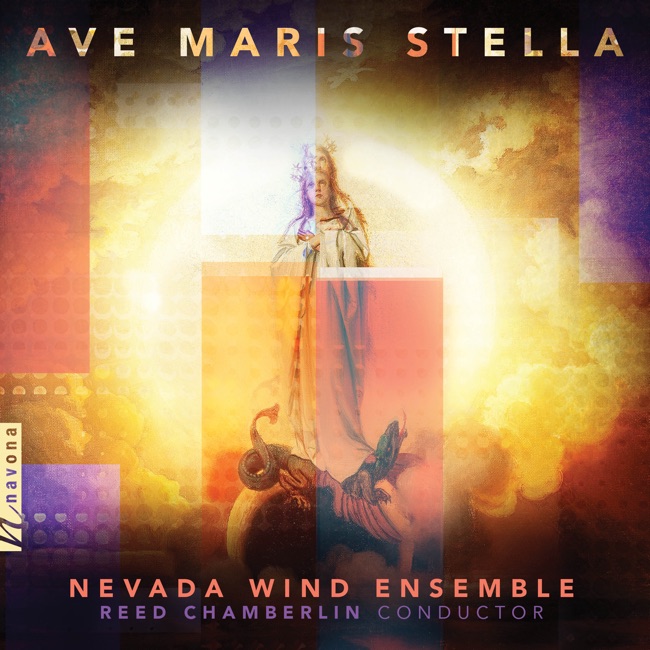 October 13, 2023
 -
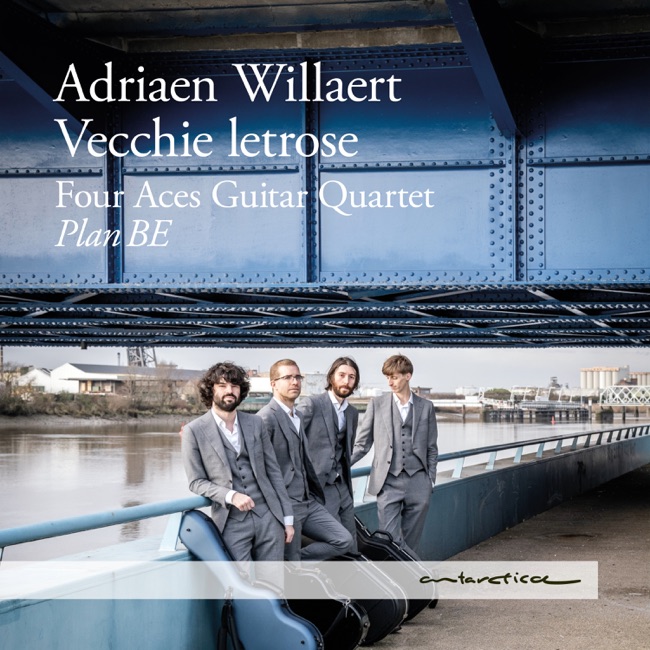 October 13, 2023
 -
 May 13, 2022
 -
 December 3, 2021
 -
 November 3, 2017
 -
 October 6, 2017
Choral
-
 February 10, 2023
 -
 November 5, 2021
 -
 November 18, 2014
 -
 July 8, 2014
 -
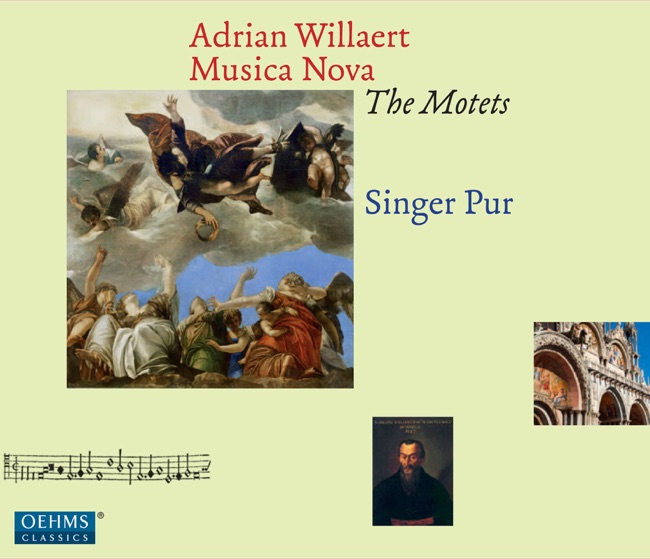 March 4, 2013
 -
 September 3, 2012
Chamber
-
 August 2, 2019
Miscellaneous
-
 September 10, 1992
Artist Info
Role:ComposerCountry: BelgiumBirth:ca. 1490 in Bruges, BelgiumDeath:December 7, 1562 in Venice, ItalyPeriod:RenaissanceGenre:ChoralVocalAdrian Willaert was a prominent composer of the Renaissance period, known for his contributions to the development of polyphonic music. He was born in the town of Rumbeke, near Bruges, in the Flemish region of Belgium, around the year 1490. Little is known about his early life, but it is believed that he received his musical education in the Low Countries, possibly in the city of Paris. Willaert's career as a musician began in Italy, where he moved in the early 16th century. He first worked as a singer and organist in the court of Duke Ercole I d'Este in Ferrara, where he became acquainted with the leading composers of the time, such as Josquin des Prez and Jacob Obrecht. In 1515, he was appointed maestro di cappella at the Basilica di San Marco in Venice, a position he held for over 35 years. During his tenure at San Marco, Willaert established himself as one of the most innovative and influential composers of his time. He was a pioneer of the Venetian polychoral style, which involved dividing the choir into multiple groups and placing them in different parts of the church to create a spatial effect. This technique was used to great effect in his motets and Masses, which were characterized by their rich harmonies, complex counterpoint, and expressive use of dissonance. One of Willaert's most famous works is his Missa pro defunctis, a Requiem Mass composed in memory of his predecessor at San Marco, Giovanni Spataro. The Mass is notable for its use of the polychoral style, with the choir divided into two groups that alternate in singing the different parts of the Mass. The work is also notable for its expressive use of chromaticism, which was a relatively new technique at the time. Another important work by Willaert is his Musica nova, a collection of madrigals that was published in 1559. The collection is considered a landmark in the history of the madrigal, as it introduced a number of new techniques and innovations that would influence the development of the genre for decades to come. For example, Willaert experimented with the use of chromaticism and dissonance in his madrigals, as well as with the use of word-painting, where the music reflects the meaning of the text. In addition to his work as a composer, Willaert was also a respected teacher and mentor to a number of prominent musicians of the time. Among his students were the composers Cipriano de Rore and Andrea Gabrieli, who would go on to become leading figures in the Venetian school of music. Willaert's influence on the development of music in the Renaissance period cannot be overstated. His innovative use of the polychoral style and his experimentation with chromaticism and dissonance paved the way for the development of the Baroque style that would emerge in the following century. His legacy can be seen in the works of later composers such as Claudio Monteverdi and Johann Sebastian Bach, who were both influenced by his music. Adrian Willaert died in Venice in 1562, at the age of around 72. He was buried in the Basilica di San Marco, where he had spent much of his career as a composer and musician. His contributions to the development of polyphonic music continue to be celebrated and studied by musicians and scholars to this day.More....
Recent Artist Music
7
4:8
10
Beata viscera for 6 voices (Motecta liber primus)
Beata viscera Mariae virginis (a6) (Adriani Willaert musicorum sex vocum... Liber primus (Venice, 1542))
4:12


15
7:9


Related Artists
Copyright Ⓒ 2013 Davinci Finger. All rights reseved
Service Terms & Policy