


All-Union Radio and Central Television Stage Symphony Orchestra
Artist Info
Role:EnsemblePeriod:RomanticGenre:OperaThe All-Union Radio and Central Television Stage Symphony Orchestra was a prominent classical music ensemble in the Soviet Union. The orchestra was founded in 1936 and was based in Moscow. It was one of the most important orchestras in the Soviet Union and was known for its high-quality performances of classical music. The orchestra was founded by the Soviet government as part of its efforts to promote classical music in the country. The government wanted to create a world-class orchestra that could compete with the best orchestras in the world. The orchestra was initially called the All-Union Radio Symphony Orchestra and was made up of musicians from all over the Soviet Union. The first conductor of the orchestra was Nikolai Golovanov, who was a well-known conductor in the Soviet Union. Golovanov was known for his passionate and expressive conducting style, and he quickly established the orchestra as one of the best in the country. The orchestra's first major performance was in 1937, when it performed at the opening of the Moscow Radio Tower. The performance was broadcast live on the radio, and it was a huge success. The orchestra received widespread praise for its performance, and it quickly became one of the most popular orchestras in the Soviet Union. Over the years, the orchestra performed many major works of classical music, including symphonies by Beethoven, Tchaikovsky, and Shostakovich. The orchestra also performed many works by Soviet composers, including Prokofiev, Shchedrin, and Khachaturian. One of the highlights of the orchestra's career was its performance of Shostakovich's Symphony No. 7 in 1942. The performance took place during the Siege of Leningrad, and it was broadcast live on the radio. The performance was a powerful symbol of the Soviet people's resistance to the Nazi invasion, and it helped to boost morale during a difficult time. The orchestra also performed many concerts outside of the Soviet Union. In 1956, the orchestra performed in Paris, and it received rave reviews from the French press. The orchestra also performed in other European countries, including Germany, Italy, and Spain. Over the years, the orchestra received many awards and honors. In 1946, the orchestra was awarded the Stalin Prize, which was the highest honor that could be given to a Soviet artist. The orchestra also received many other awards and honors, including the Order of Lenin and the Order of the Red Banner of Labor. The orchestra continued to perform and record music throughout the Soviet era. However, after the collapse of the Soviet Union in 1991, the orchestra faced many challenges. The government funding that had supported the orchestra for many years was no longer available, and the orchestra struggled to find new sources of funding. Despite these challenges, the orchestra continued to perform and record music. In 1993, the orchestra changed its name to the Russian State Symphony Orchestra, and it continued to perform under this name until it was disbanded in 2000. Today, the legacy of the All-Union Radio and Central Television Stage Symphony Orchestra lives on through its recordings and the memories of those who heard its performances. The orchestra was a symbol of the Soviet Union's commitment to classical music, and it played an important role in the country's cultural life for many years.More....
Recent Artist Music
2
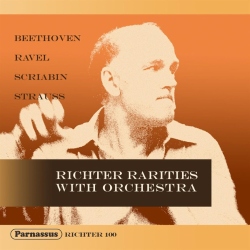
Symphony No. 5 in F sharp major, Op. 60 "Prometheus, Poem of Fire"
Prometheus, the Poem of Fire, Op. 60
21:16
Copyright Ⓒ 2013 Davinci Finger. All rights reseved
Service Terms & Policy