


Paul Creston
Released Album
Chamber
-
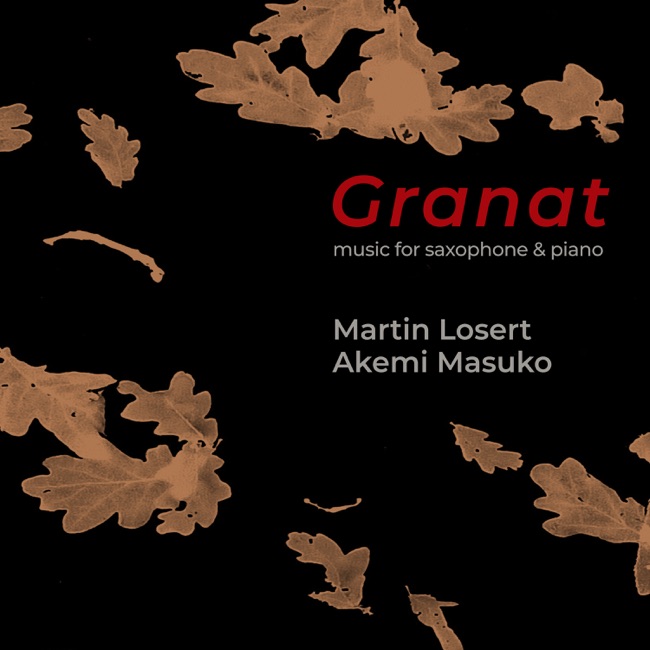 February 11, 2022
 -
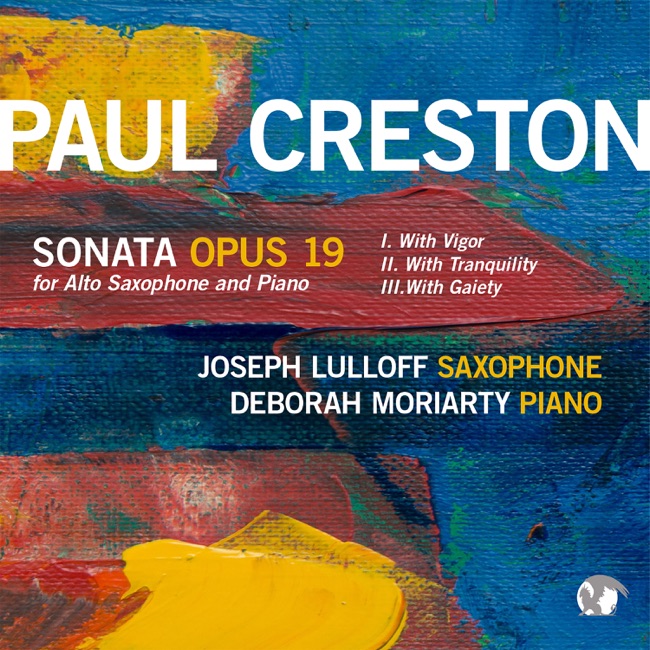 January 28, 2021
 -
 March 6, 2020
 -
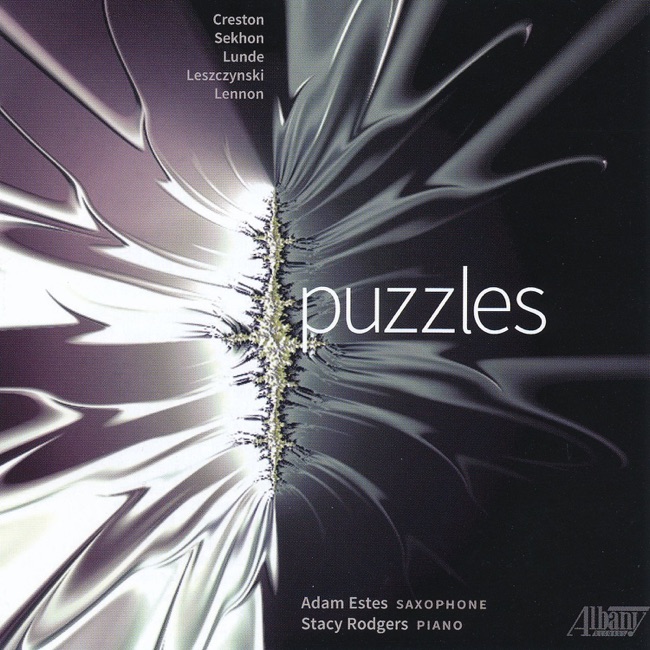 January 10, 2017
 -
-
 September 30, 2016
Concerto
-
 November 13, 2018
 -
 February 5, 2018
 -
 February 1, 2013
 -
 March 9, 2010
 -
 October 20, 2009
 -
 February 10, 2009
Orchestral
-
 July 27, 2010
 -
 October 29, 2002
 -
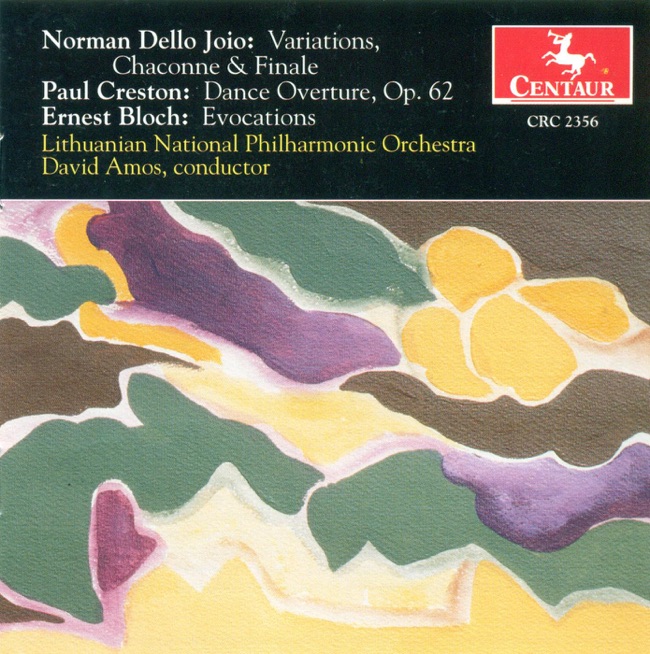
Band
-
 December 15, 2022
 -
 April 21, 2017
 -
 January 1, 2012
 -
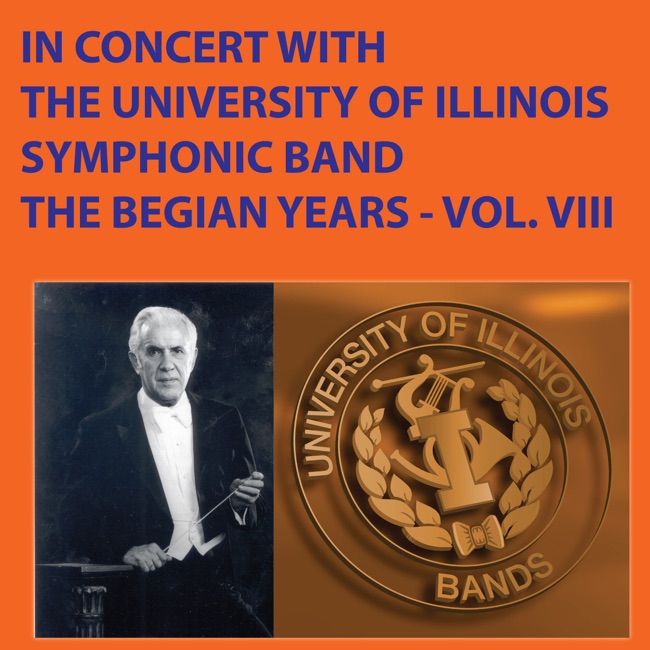
-
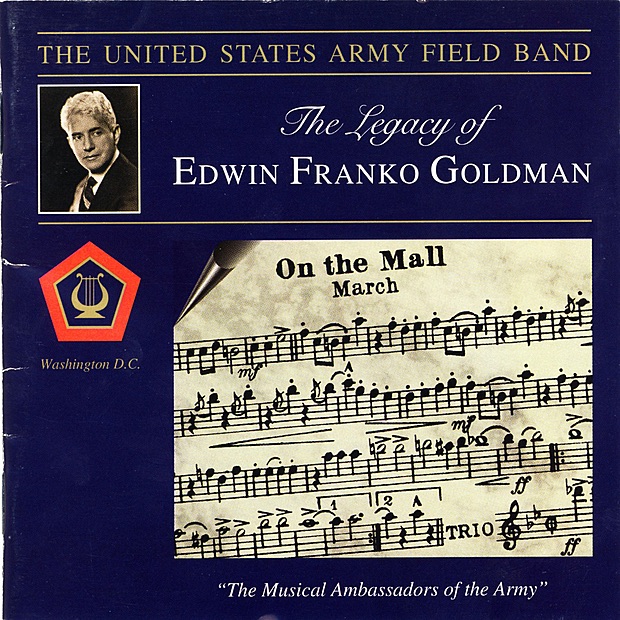 September 27, 2011
 -
 November 17, 2009
Artist Info
Role:ComposerCountry: United States of AmericaBirth:October 10, 1906 in New York City, NYDeath:August 24, 1985 in San Diego, CAPeriod:ContemporaryModernGenre:ChamberConcertoOrchestralSymphonyPaul Creston was an American composer who was born on October 10, 1906, in New York City. His birth name was Giuseppe Guttoveggio, but he changed it to Paul Creston in 1934. Creston was the son of Italian immigrants, and he grew up in a musical family. His father played the mandolin, and his mother played the piano. Creston began playing the piano at a young age, and he later learned to play the violin, viola, and clarinet. Creston attended New York University, where he studied composition with Italian composer Rosario Scalero. He also studied piano with Ernst von Dohnányi and conducting with Fritz Reiner. Creston graduated from New York University in 1934 with a degree in music. Creston's early compositions were influenced by the music of Igor Stravinsky and Bela Bartok. His first major work was his Symphony No. 1, which he composed in 1940. The symphony was well-received, and it established Creston as a major American composer. Creston's music is characterized by its rhythmic vitality and its use of dissonance. He often used irregular meters and complex rhythms in his compositions. Creston's music is also known for its lyricism and its use of melody. Creston composed music in a variety of genres, including symphonies, concertos, chamber music, and vocal music. Some of his most famous works include his Symphony No. 2, his Concerto for Piano and Orchestra, and his Suite for Violin, Viola, and Piano. Creston's Symphony No. 2, which he composed in 1944, is one of his most famous works. The symphony is characterized by its use of irregular meters and its complex rhythms. The second movement of the symphony is particularly notable for its use of a 7/4 meter. Creston's Concerto for Piano and Orchestra, which he composed in 1949, is another one of his most famous works. The concerto is characterized by its use of dissonance and its complex rhythms. The second movement of the concerto is particularly notable for its use of a 5/4 meter. Creston's Suite for Violin, Viola, and Piano, which he composed in 1935, is one of his earliest works. The suite is characterized by its use of melody and its lyrical quality. The second movement of the suite is particularly notable for its use of a folk-like melody. Creston's vocal music includes a number of choral works and art songs. His choral works are characterized by their use of complex rhythms and their use of dissonance. His art songs are characterized by their use of melody and their lyrical quality. Creston was a prolific composer, and he continued to compose music throughout his life. He died on August 24, 1985, in San Diego, California. His music continues to be performed and recorded today, and he is considered to be one of the most important American composers of the 20th century.More....
Recent Artist Music

2
6:22
3
6:28
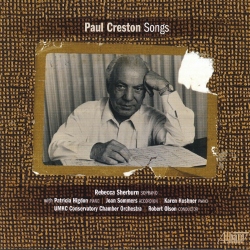





Related Artists
Copyright Ⓒ 2013 Davinci Finger. All rights reseved
Service Terms & Policy