


John Ward
Released Album
Miscellaneous
-
 January 28, 2022
 -
 June 20, 1995
Chamber
-
-
 November 15, 2019
 -
-
 January 14, 2014
 -
 August 1, 2009
 -
 July 15, 2003
Vocal
-
-
 February 24, 2009
 -
 February 12, 2002
Choral
-
 October 14, 2014
 -
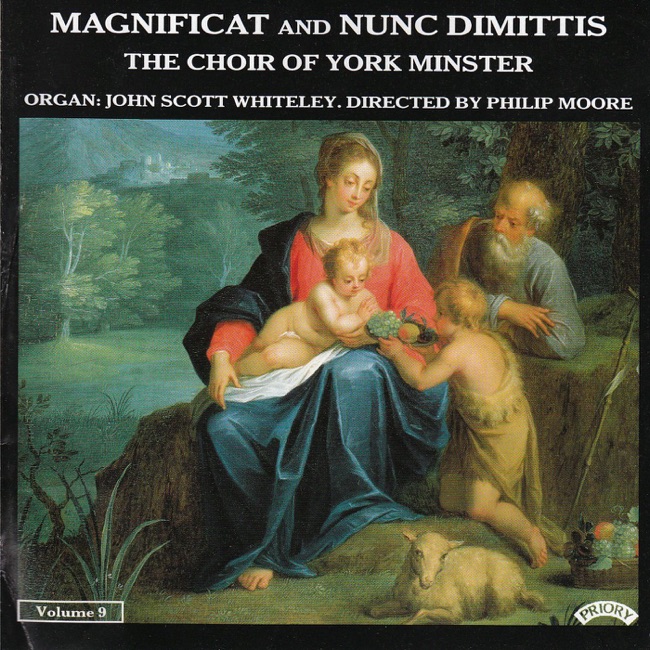 June 24, 1997
Artist Info
Role:ComposerCountry: United KingdomBirth:September 8, 1571 in Canterbury, Kent, EnglandDeath:August 31, 1638Period:RenaissanceBaroqueGenre:ChamberChoralVocalJohn Ward was a prominent English composer of the Renaissance era, born in Haseley, Warwickshire, in 1571. He was the son of a wealthy landowner, and his family had a long history of musical involvement. Ward's father was a skilled musician and taught his son the basics of music theory and composition from a young age. Ward's musical talent was evident from an early age, and he quickly became a skilled performer on a variety of instruments, including the lute, viol, and keyboard. He also had a natural gift for composition, and by the age of 20, he had already written several pieces of music. In 1594, Ward was appointed as a musician at the court of King James I, where he served as a lutenist and composer. He remained in this position for the rest of his life, and his music was highly regarded by the royal court and the public alike. Ward's music was characterized by its elegant simplicity and its use of traditional English melodies and harmonies. He was particularly skilled at writing vocal music, and his madrigals and choral works were widely performed and admired. One of Ward's most famous works is his collection of madrigals, entitled "The First Set of English Madrigals to 3, 4, 5, and 6 Voices," which was published in 1613. This collection contains some of Ward's most beautiful and expressive music, and it remains a popular choice for choral groups and vocal ensembles today. Another notable work by Ward is his "Fantasia for Viols," which was written for a group of viol players. This piece is a masterful example of the English consort style, which was popular in the Renaissance era, and it showcases Ward's skill at writing for multiple instruments. Ward's music was also notable for its use of word painting, a technique in which the music reflects the meaning of the lyrics. This can be heard in his madrigal "Come, Sable Night," in which the music becomes darker and more somber as the lyrics describe the approach of night. Despite his success as a composer, Ward was known for his modesty and humility. He never sought fame or fortune, and he remained dedicated to his work as a court musician until his death in 1638. Today, Ward is remembered as one of the most important composers of the English Renaissance, and his music continues to be performed and admired by musicians and audiences around the world. His legacy is a testament to the enduring power of classical music and the timeless beauty of his compositions.More....
Recent Artist Music
5
2:50
8
3:30
Copyright Ⓒ 2013 Davinci Finger. All rights reseved
Service Terms & Policy