


Leo Sowerby
Released Album
Keyboard
-
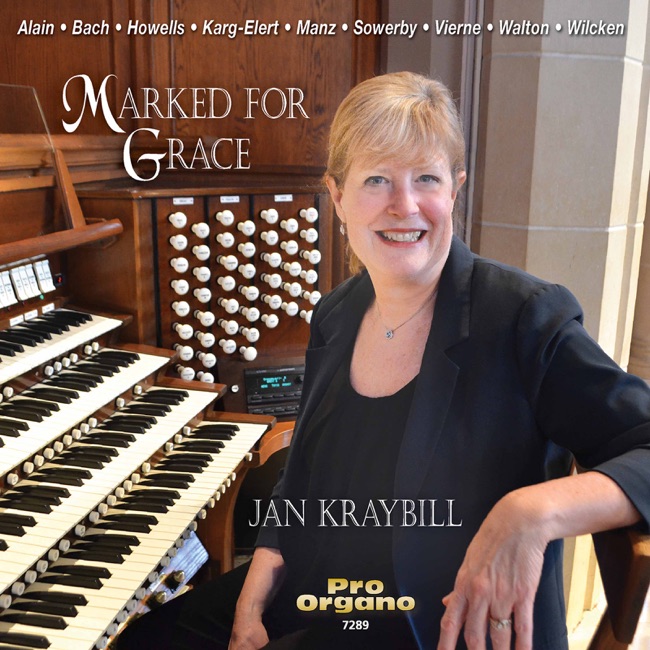 July 16, 2021
 -
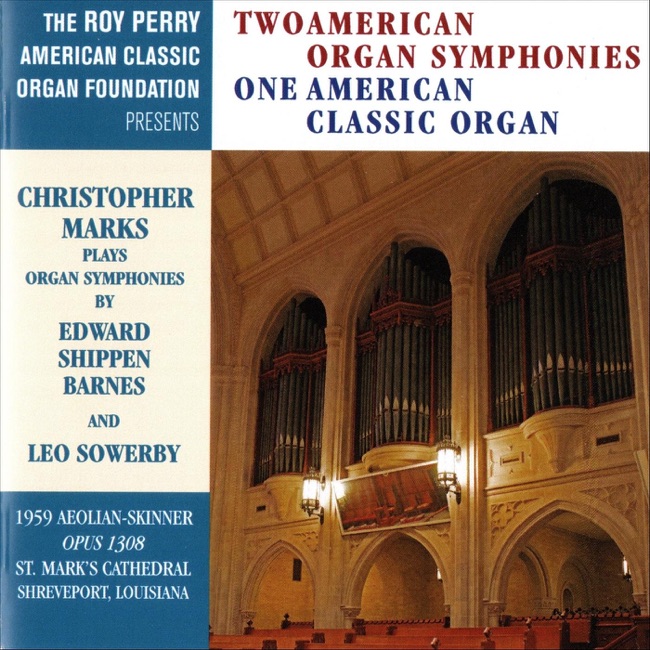
-
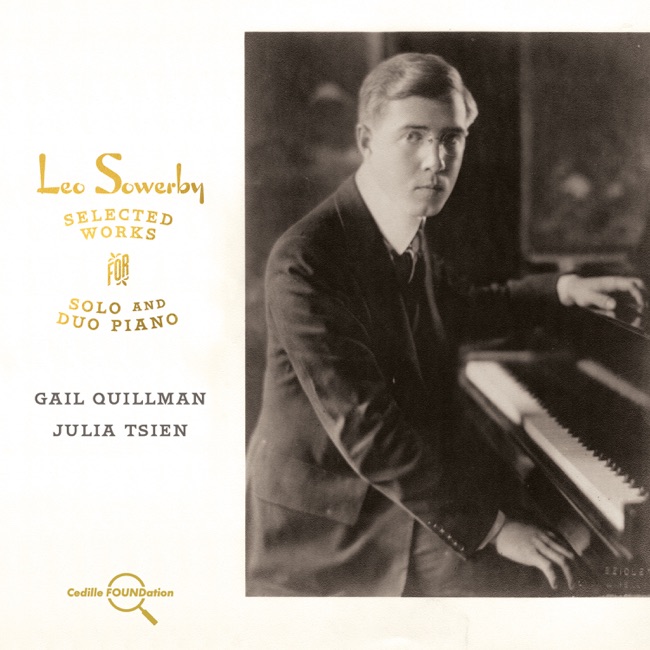 November 15, 2019
 -
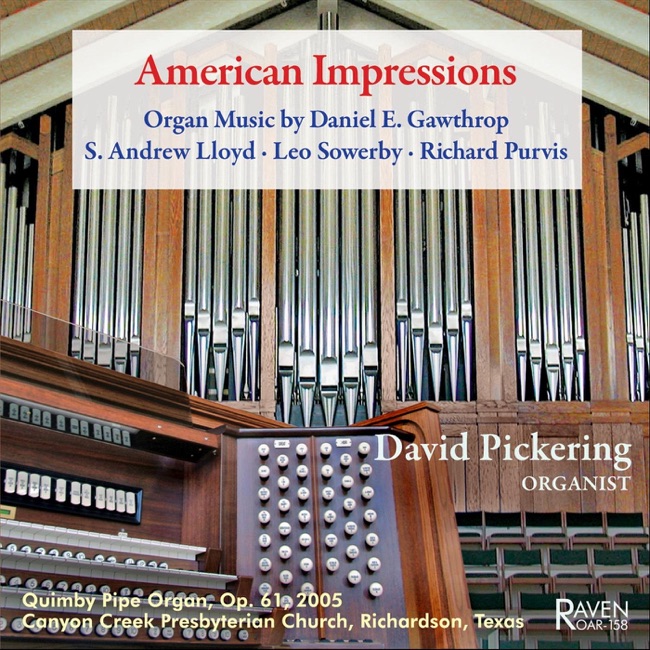 August 14, 2018
 -
 February 16, 2018
 -
 April 28, 2015
Choral
-
 August 31, 2018
 -
 April 6, 2018
 -
 January 6, 2017
 -
 June 27, 2011
 -
 September 28, 2010
 -
 February 9, 2010
Chamber
-
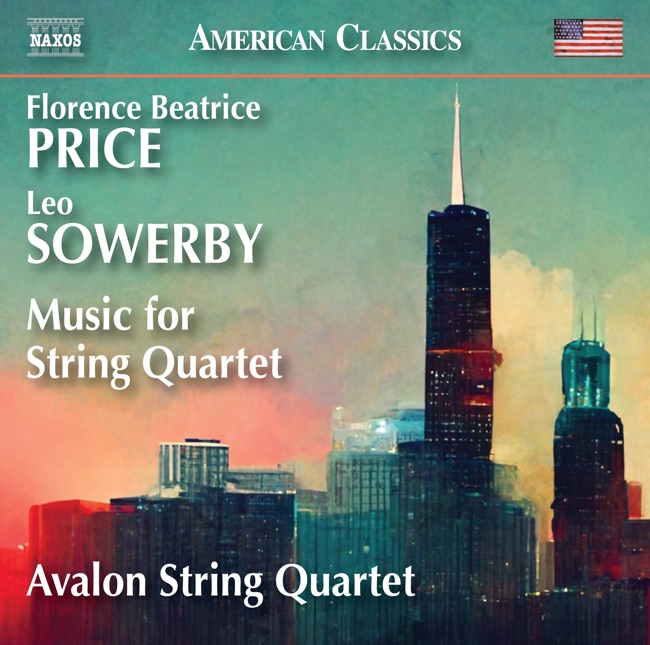 February 23, 2024
 -
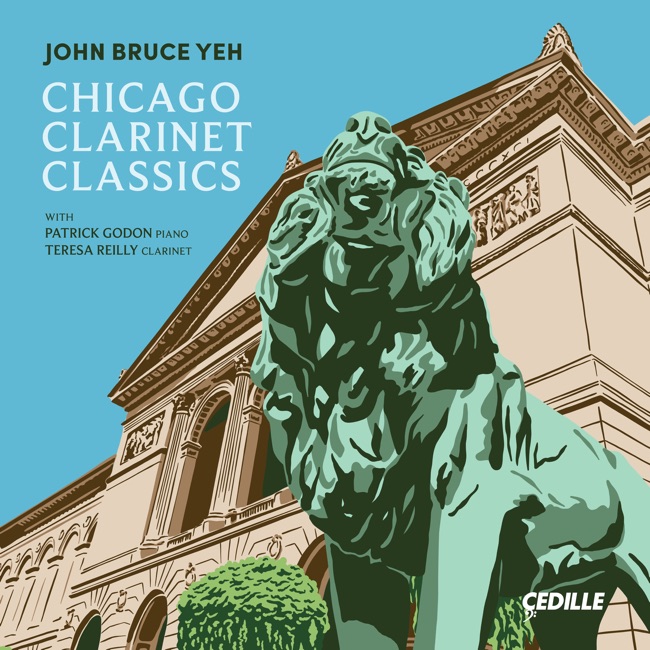 March 10, 2023
 -
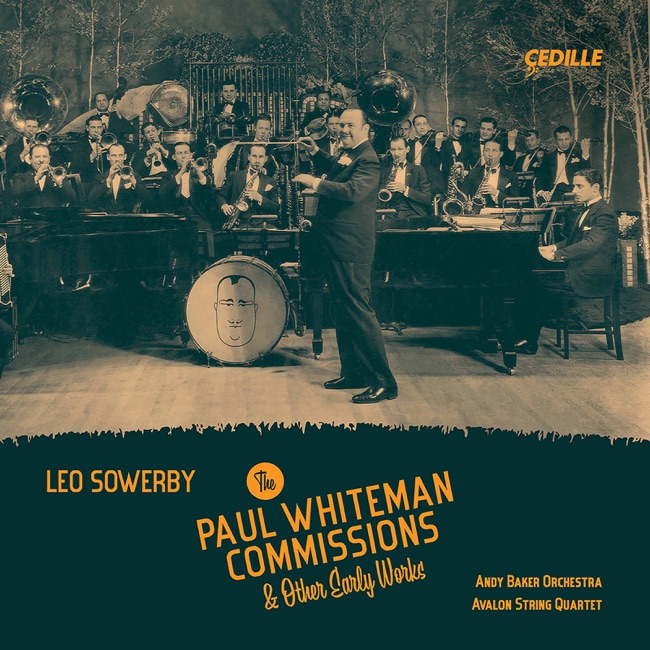 August 13, 2021
 -
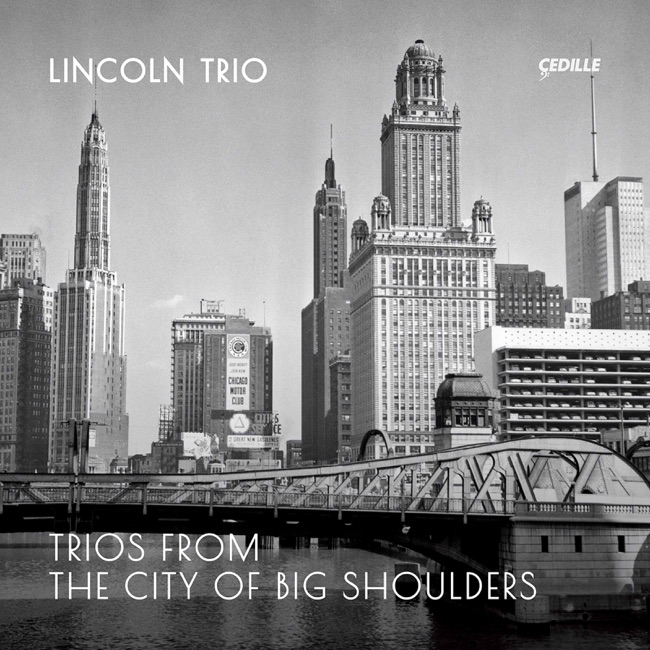 May 28, 2021
 -
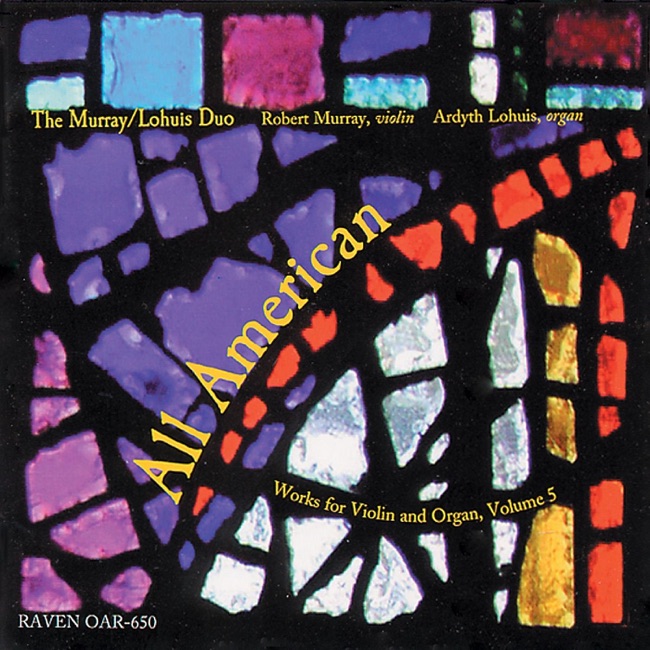 June 24, 2003
 -
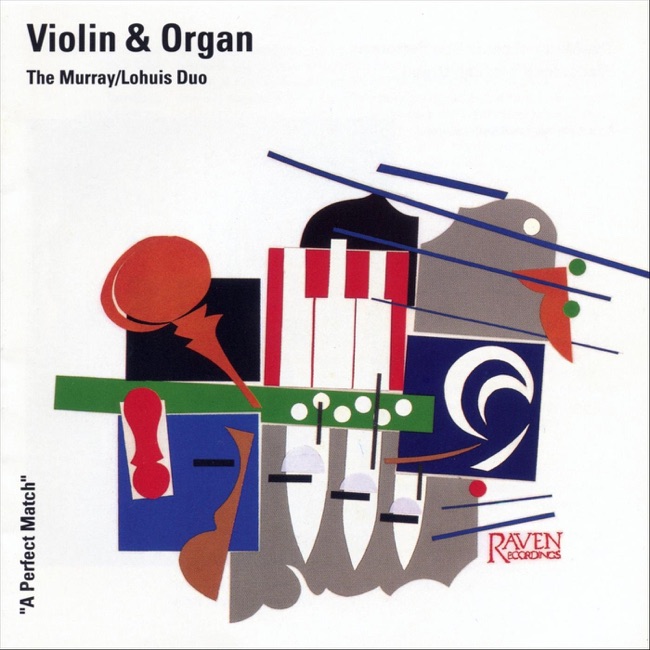 May 1, 1991
Orchestral
-
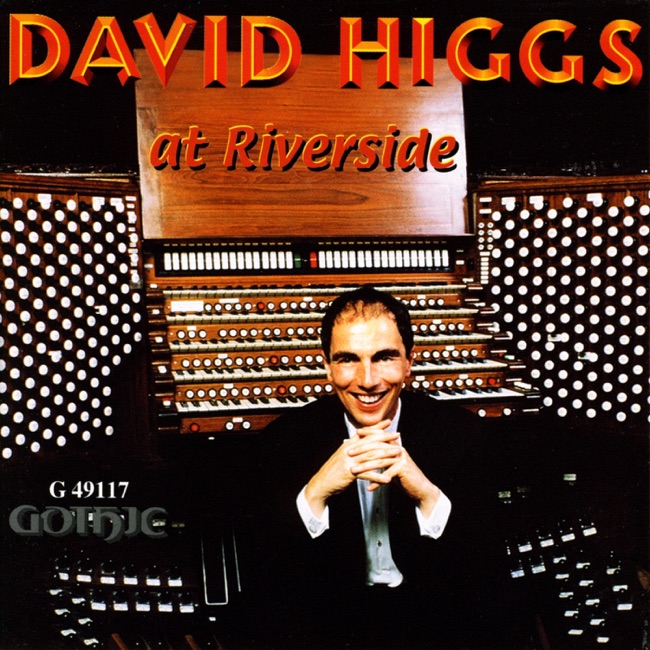 August 1, 2010
 -
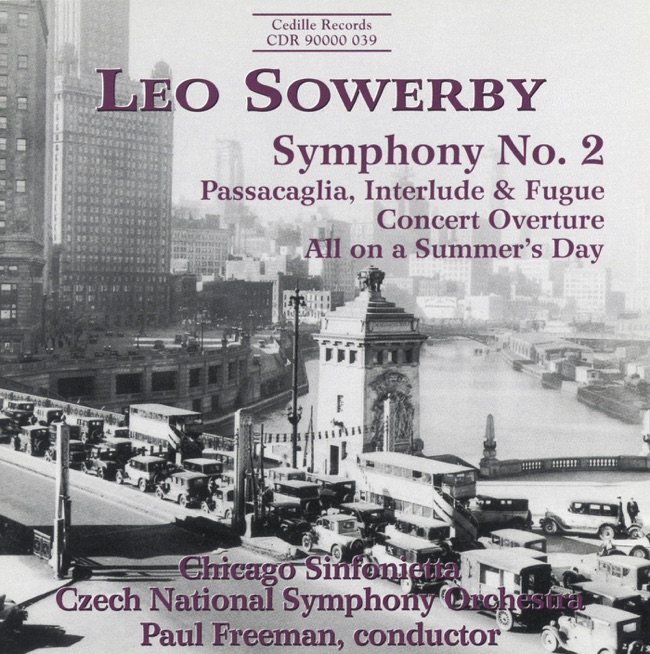 January 25, 1999
Artist Info
Role:ComposerCountry: United States of AmericaBirth:May 1, 1895 in Grand Rapids, MIDeath:July 7, 1968 in Port Clinton, OHPeriod:ContemporaryModernGenre:ChoralKeyboardLeo Sowerby was an American composer who was born on May 1, 1895, in Grand Rapids, Michigan. He was the youngest of three children born to a family of musicians. His father, Selah Sowerby, was a church organist and choir director, while his mother, Lillian, was a pianist and singer. Leo showed an early interest in music and began playing the piano at the age of five. Sowerby's family moved to Chicago when he was nine years old, and he continued his musical education there. He studied piano with his mother and later with Rudolph Ganz, a prominent pianist and conductor. He also studied composition with Arthur Olaf Andersen and later with Clarence Dickinson at the American Conservatory of Music. Sowerby's early compositions were influenced by the German Romantic tradition, but he soon developed his own style, which was characterized by a blend of traditional and modern elements. His music was often described as "neo-Romantic," and he was known for his use of rich harmonies and lush orchestration. Sowerby's first major success came in 1919, when his Symphony No. 1 won the prestigious Prix de Rome, a scholarship that allowed him to study in Europe for three years. While in Europe, Sowerby studied with Nadia Boulanger in Paris and attended performances of the leading composers of the day, including Stravinsky, Debussy, and Ravel. Upon his return to the United States in 1922, Sowerby settled in Chicago and began a career as a composer and organist. He was appointed organist and choirmaster at St. James Episcopal Church in Chicago, a position he held for over 40 years. He also taught composition at the American Conservatory of Music and later at the Eastman School of Music in Rochester, New York. Sowerby's output as a composer was prolific, and he wrote in a variety of genres, including orchestral works, chamber music, choral music, and opera. Some of his most notable works include his Symphony No. 2, which was premiered by the Chicago Symphony Orchestra in 1927, and his oratorio, "The Canticle of the Sun," which was premiered by the New York Philharmonic in 1944. Sowerby was also known for his organ music, and he wrote over 100 works for the instrument. His "Pageant" for organ and orchestra, which was premiered by the Chicago Symphony Orchestra in 1933, is considered one of his most important works for the instrument. In addition to his work as a composer, Sowerby was also a respected organist and conductor. He was a frequent guest conductor with the Chicago Symphony Orchestra and other major orchestras, and he was known for his interpretations of the works of Bach and other Baroque composers. Sowerby's contributions to American music were recognized with numerous awards and honors. He was awarded the Pulitzer Prize for Music in 1946 for his Symphony No. 4, and he was elected to the American Academy of Arts and Letters in 1958. He was also awarded honorary doctorates from several universities, including the University of Michigan and Northwestern University. Leo Sowerby died on July 7, 1968, in Port Clinton, Ohio, at the age of 73. His legacy as a composer and musician continues to be celebrated, and his music remains an important part of the American classical music tradition.More....
Recent Artist Music


Copyright Ⓒ 2013 Davinci Finger. All rights reseved
Service Terms & Policy