Leo Sowerby
Carillon for organ, H. 134
Released Album
Recent Album

Featured Album
Works Info
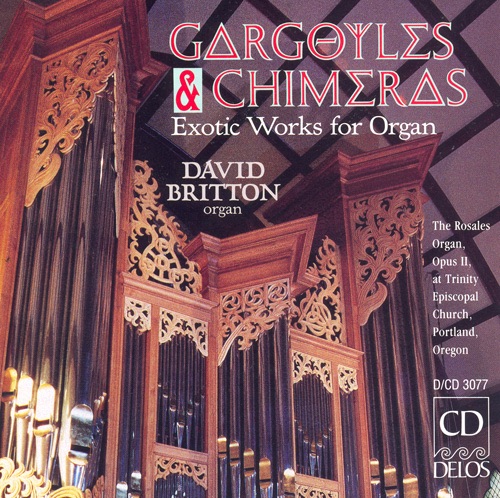
Composer:Leo SowerbyGenre:KeyboardStyle:Character PieceAverage_duration:7:20Leo Sowerby's 'Carillon for organ, H. 134' is a stunning piece of music that was composed in 1937. The piece was premiered on May 23, 1937, at the National Cathedral in Washington, D.C. The 'Carillon for organ' is a single-movement work that is approximately 10 minutes long. The piece is characterized by its use of the organ's full range of sound, from the softest and most delicate to the most powerful and thunderous. The piece is also characterized by its use of the carillon, a musical instrument that consists of a set of bells that are played by striking them with hammers. The carillon is often associated with church towers and is used to play hymns and other religious music. The 'Carillon for organ' is divided into three main sections. The first section is marked by a slow and stately introduction that sets the tone for the rest of the piece. The second section is more lively and energetic, with the organ and carillon playing off each other in a call-and-response style. The final section is marked by a return to the slower and more stately pace of the opening, with the organ and carillon blending together in a beautiful and harmonious conclusion. One of the most striking characteristics of the 'Carillon for organ' is its use of rhythm. Sowerby employs a variety of rhythmic patterns throughout the piece, from the steady and unchanging beat of the opening to the complex and syncopated rhythms of the middle section. The piece also makes use of a wide range of dynamics, from the softest and most delicate passages to the loudest and most powerful. Overall, the 'Carillon for organ, H. 134' is a beautiful and powerful piece of music that showcases Sowerby's skill as a composer. Its use of the organ and carillon creates a unique and unforgettable sound that is both majestic and uplifting.More....
Works Music
Released Music


Featured Music