


Johann Wilhelm Hertel
Released Album
Concerto
-
 August 4, 2023
 -
 November 4, 2022
 -
 March 25, 2022
 -
 January 3, 2022
 -
 August 6, 2021
 -
 June 13, 2020
Chamber
-
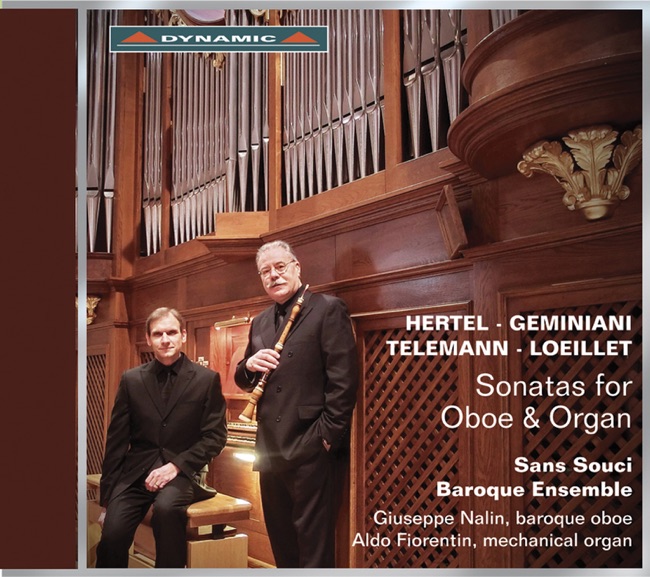 June 4, 2013
 -
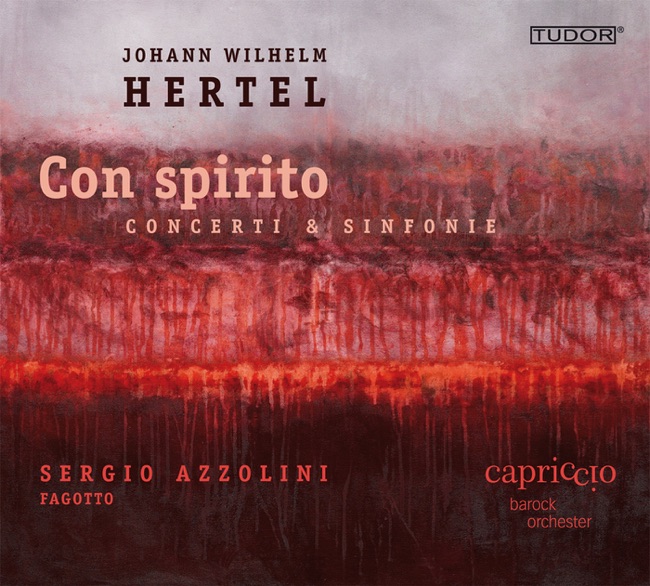 June 28, 2011
 -
 June 28, 2011
Choral
-
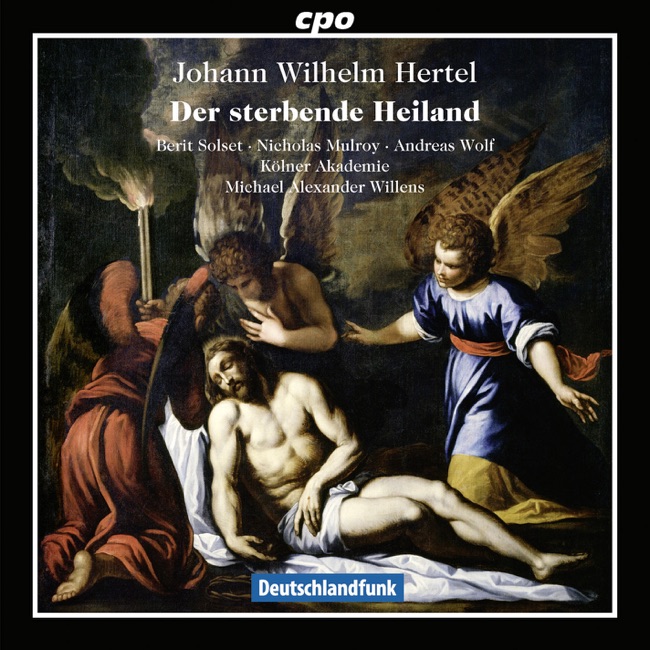 May 27, 2014
 -
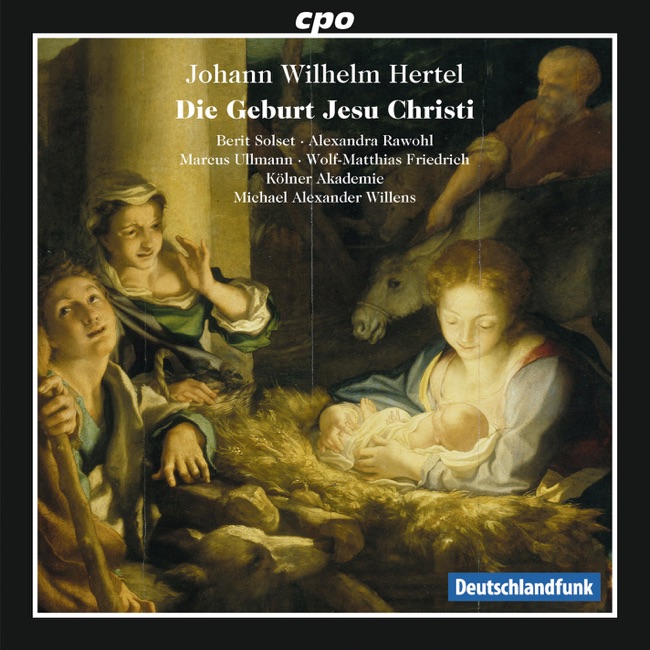 October 11, 2013
Artist Info
Role:ComposerCountry: GermanyBirth:October 9, 1727 in Eisenach, GermanyDeath:June 14, 1789 in Schwerin, GermanyPeriod:BaroqueGenre:ConcertoKeyboardJohann Wilhelm Hertel was a German composer and musician who lived during the Baroque and Classical periods. He was born on October 9, 1727, in Eisenach, Germany, to a family of musicians. His father, Johann Christian Hertel, was a court trumpeter, and his mother, Maria Elisabeth, was a singer. Johann Wilhelm was the youngest of their six children. Johann Wilhelm showed an early interest in music and began his musical education at a young age. He received his first music lessons from his father and later studied with Johann Gottfried Walther, a prominent organist and composer. He also studied with Johann Sebastian Bach, who was a family friend and a frequent visitor to the Hertel household. In 1747, Johann Wilhelm was appointed as a court trumpeter in the service of Duke Ernst August I of Saxe-Weimar. He held this position for several years before moving to Berlin in 1754 to work as a violinist in the court orchestra of King Frederick II of Prussia. He quickly rose through the ranks and was eventually appointed as the concertmaster of the orchestra. During his time in Berlin, Johann Wilhelm also began to compose music. He wrote a number of works for the court orchestra, including symphonies, concertos, and chamber music. His music was well-received and he became known as one of the leading composers of his time. In 1769, Johann Wilhelm left Berlin and returned to his hometown of Eisenach. He was appointed as the court music director for Duke Ernst August II of Saxe-Weimar-Eisenach, a position he held until his death in 1789. During his time in Eisenach, he continued to compose music and also taught music to his children and other students. Johann Wilhelm's music is characterized by its elegance, clarity, and balance. He was influenced by the music of his contemporaries, including Johann Sebastian Bach, Georg Philipp Telemann, and Carl Philipp Emanuel Bach. His works are notable for their use of counterpoint, their melodic inventiveness, and their skillful orchestration. Some of Johann Wilhelm's most famous works include his six symphonies, which were published in 1779. These works are notable for their use of the Mannheim rocket, a musical technique that involves a rapid ascending or descending arpeggio. They are also notable for their use of the horn, which was a relatively new instrument at the time. Johann Wilhelm also wrote a number of concertos, including several for trumpet and one for harpsichord. His trumpet concertos are particularly notable for their virtuosic solo parts and their use of the natural trumpet, which was a difficult instrument to play. In addition to his instrumental music, Johann Wilhelm also wrote a number of vocal works, including cantatas, oratorios, and operas. His oratorio "Die Auferstehung und Himmelfahrt Jesu" (The Resurrection and Ascension of Jesus) is considered one of his masterpieces. It was first performed in 1774 and is notable for its dramatic choruses and expressive arias. Johann Wilhelm's music was highly regarded during his lifetime and continued to be performed and admired after his death. His works were influential in the development of the Classical style and helped to pave the way for the music of Mozart and Haydn. In conclusion, Johann Wilhelm Hertel was a talented composer and musician who made significant contributions to the music of the Baroque and Classical periods.More....
Recent Artist Music
1
3:5
3
5:24
5
4:57
9
4:53
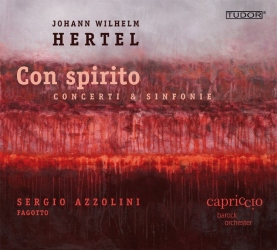
12
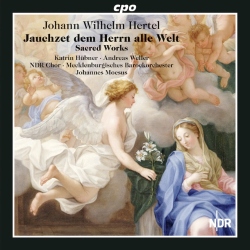
All the world rejoices in the Lord & orchestra (Psalm 100)
Jauchzet dem Herrn alle Welt: Allegro moderato
2:50
Recommend Playlist



Copyright Ⓒ 2013 Davinci Finger. All rights reseved
Service Terms & Policy