


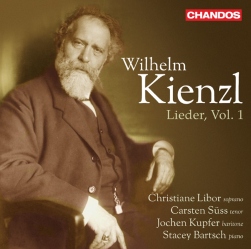
Wilhelm Kienzl
Released Album
Vocal
-
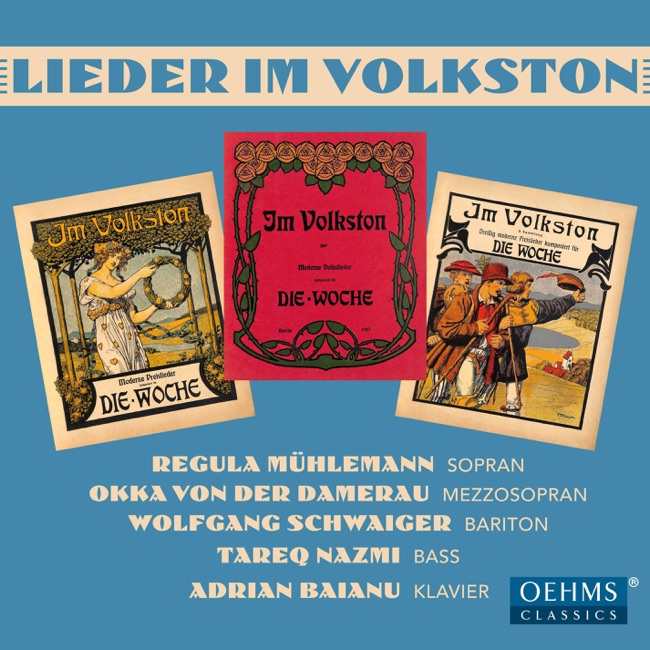 July 21, 2017
 -
 November 18, 2013
 -
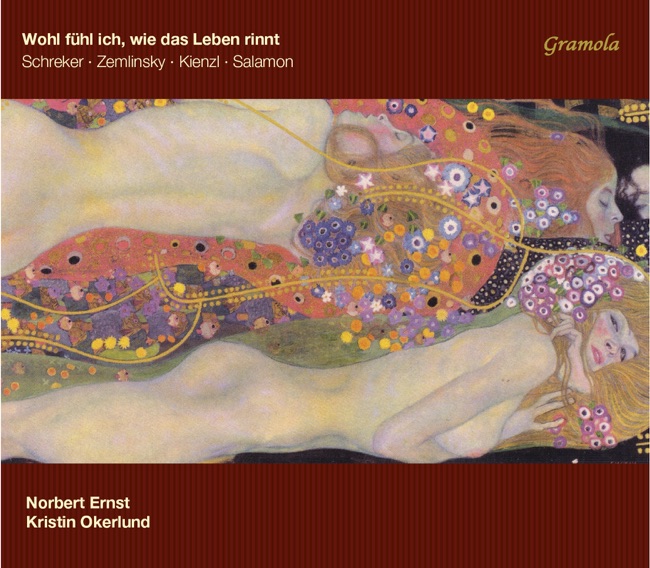 July 3, 2013
 -
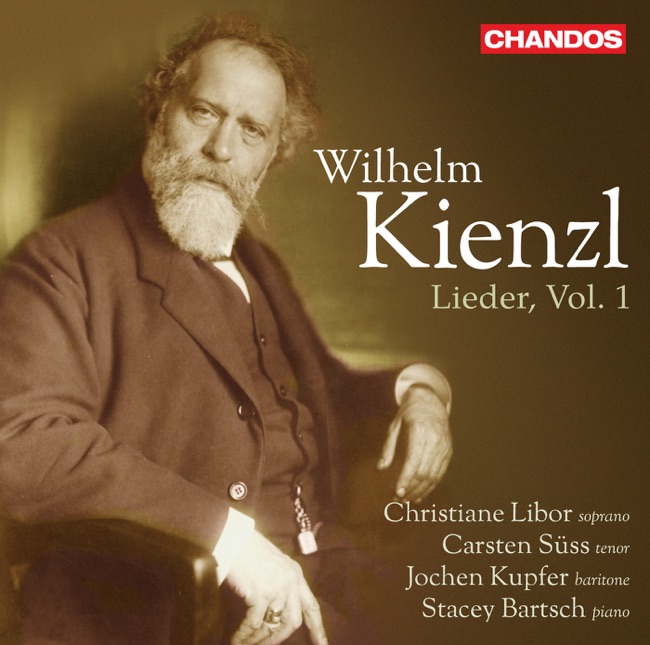 April 26, 2011
 -
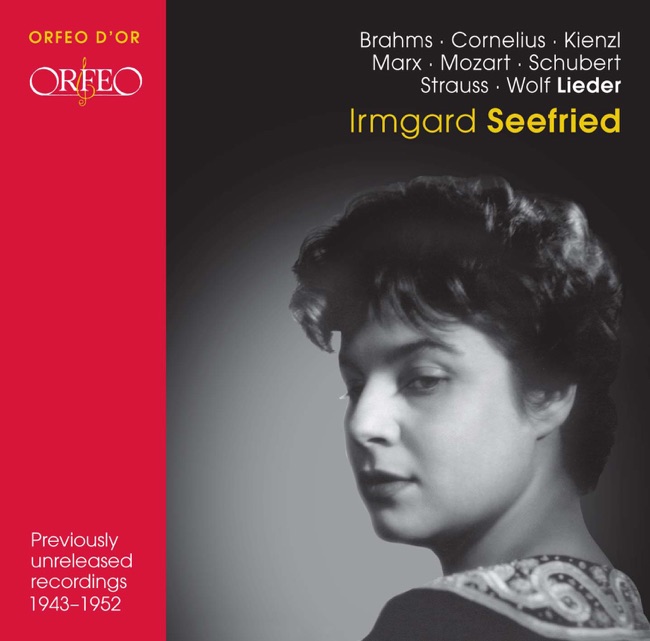 November 24, 2009
Opera
-
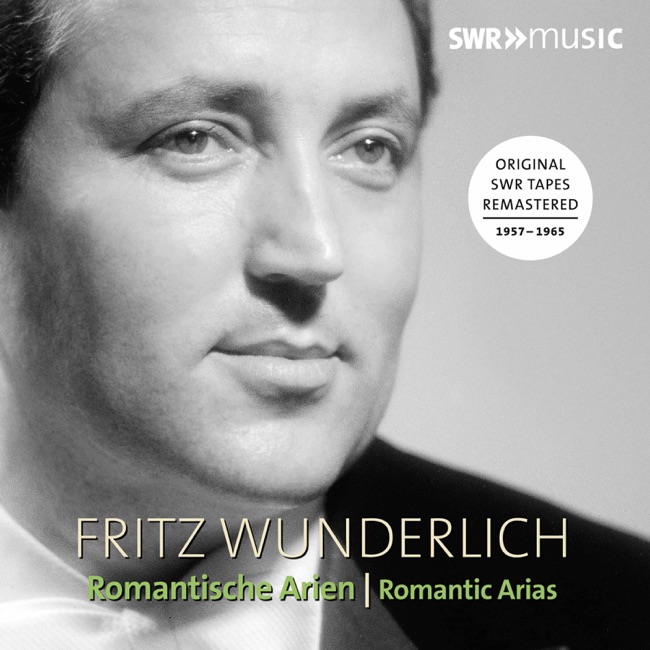 June 9, 2017
 -
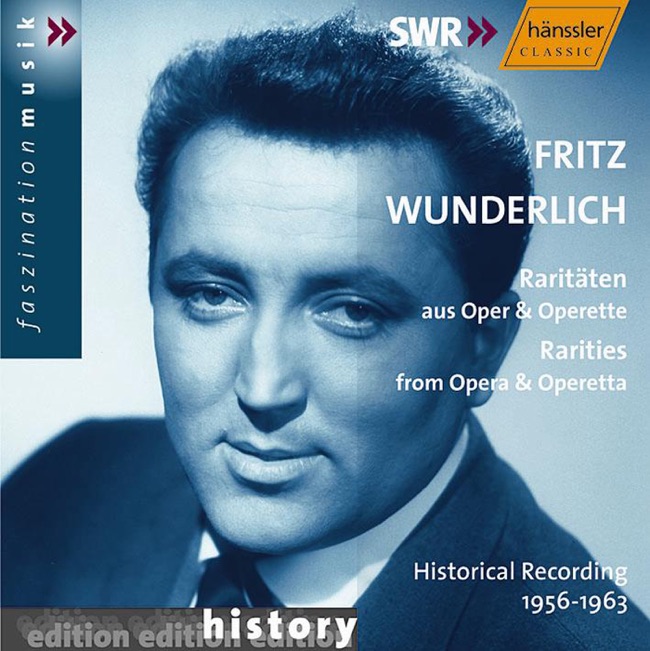 January 1, 2007
 -
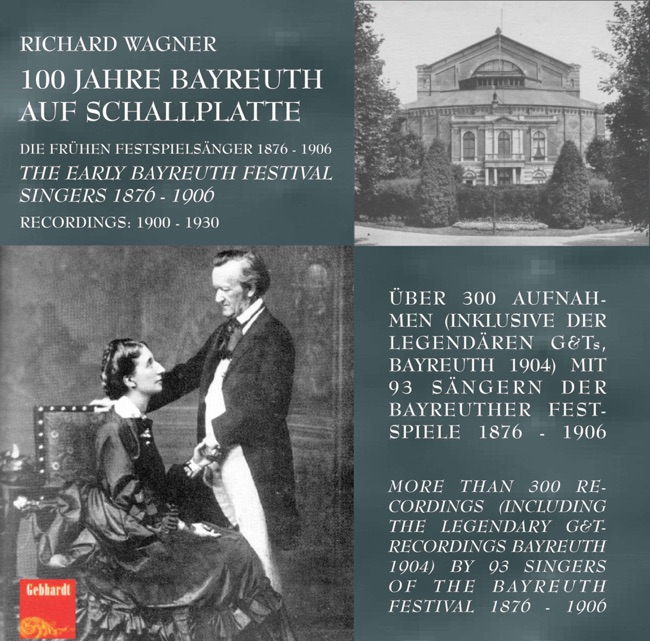
-
 June 29, 2004
 -
 February 3, 2003
 -
 May 20, 1997
Choral
-
 November 14, 2006
Chamber
-
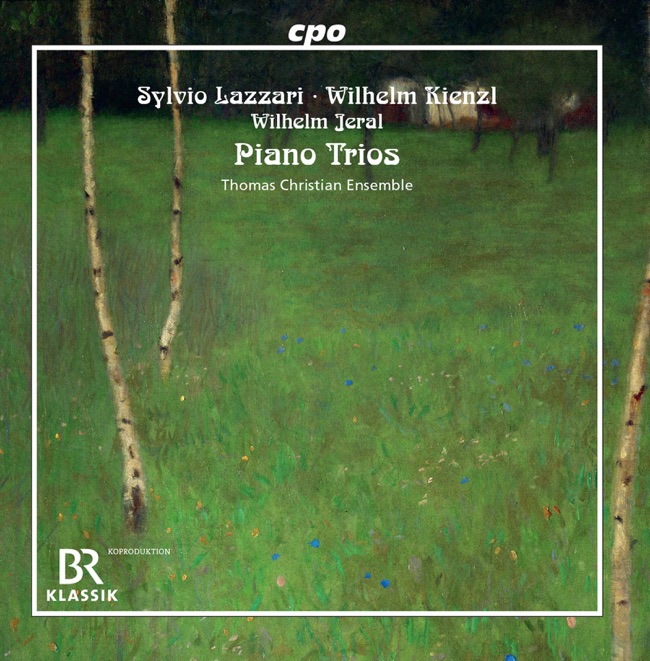 January 8, 2021
 -
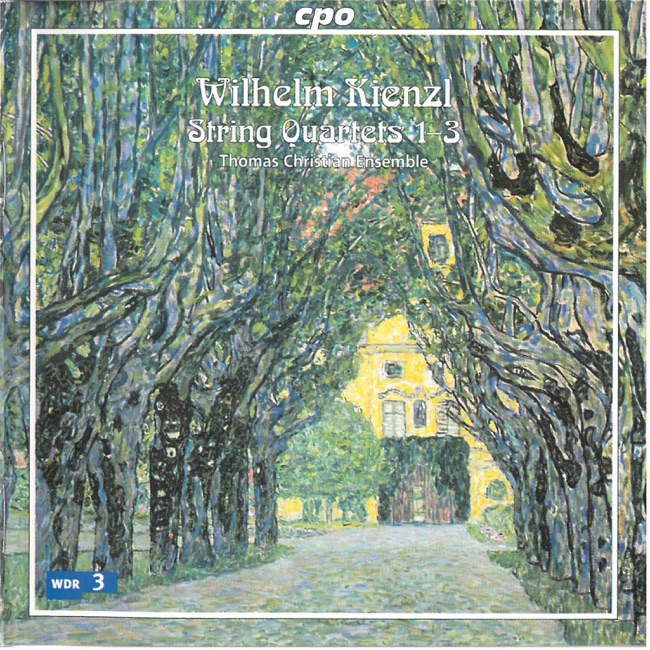 April 15, 2003
Artist Info
Role:ComposerBirth:January 17, 1857Death:October 19, 1941Period:ModernGenre:VocalWilhelm Kienzl was a prominent Austrian composer of the late 19th and early 20th centuries. He was born on January 17, 1857, in Waizenkirchen, Upper Austria, to a family of musicians. His father was a church organist and his mother was a singer. Kienzl showed an early interest in music and began taking piano lessons at the age of six. He later studied at the Vienna Conservatory, where he was a pupil of Anton Bruckner. Kienzl's early compositions were influenced by the Romantic style of his teacher Bruckner. His first major work was the opera "Der Evangelimann," which premiered in 1895. The opera was a great success and established Kienzl as a leading composer of his time. "Der Evangelimann" tells the story of a wandering preacher who is falsely accused of a crime and sentenced to prison. The opera is notable for its use of folk melodies and its dramatic portrayal of the protagonist's struggle for redemption. Kienzl's next opera, "Donna Diana," premiered in 1899 and was also well-received. The opera is a comedy about a young woman who disguises herself as a man to avoid an arranged marriage. The work is notable for its light-hearted tone and its use of Spanish dance rhythms. In addition to his operas, Kienzl also composed a number of orchestral works, including symphonies, tone poems, and concertos. His Symphony No. 1, which premiered in 1884, is a large-scale work that reflects the influence of Bruckner and Wagner. The symphony is notable for its use of brass and percussion, as well as its expansive melodies. Kienzl's later works show a shift towards a more conservative style, with a greater emphasis on melody and tonality. His Symphony No. 2, which premiered in 1903, is a more lyrical work that reflects Kienzl's interest in folk music. The symphony is notable for its use of Austrian folk melodies and its pastoral themes. Kienzl continued to compose throughout his life, but his later works were not as well-received as his earlier ones. He died on October 3, 1941, in Vienna, at the age of 84. In conclusion, Wilhelm Kienzl was a prominent Austrian composer of the late 19th and early 20th centuries. He was born into a family of musicians and showed an early interest in music. His early compositions were influenced by the Romantic style of his teacher Anton Bruckner. Kienzl's most famous works are his operas "Der Evangelimann" and "Donna Diana," which are notable for their use of folk melodies and their dramatic and comedic themes. Kienzl also composed a number of orchestral works, including symphonies, tone poems, and concertos. His later works show a shift towards a more conservative style, with a greater emphasis on melody and tonality. Kienzl died in 1941, leaving behind a legacy of music that continues to be performed and appreciated today.More....
Recent Artist Music

Copyright Ⓒ 2013 Davinci Finger. All rights reseved
Service Terms & Policy