


Alfonso Ferrabosco
Released Album
Chamber
-
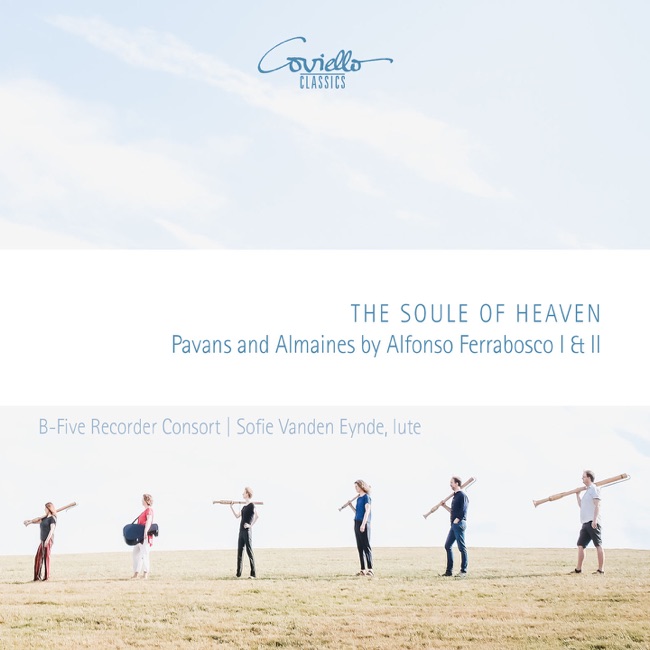
-
-
-
 February 21, 2005
 -
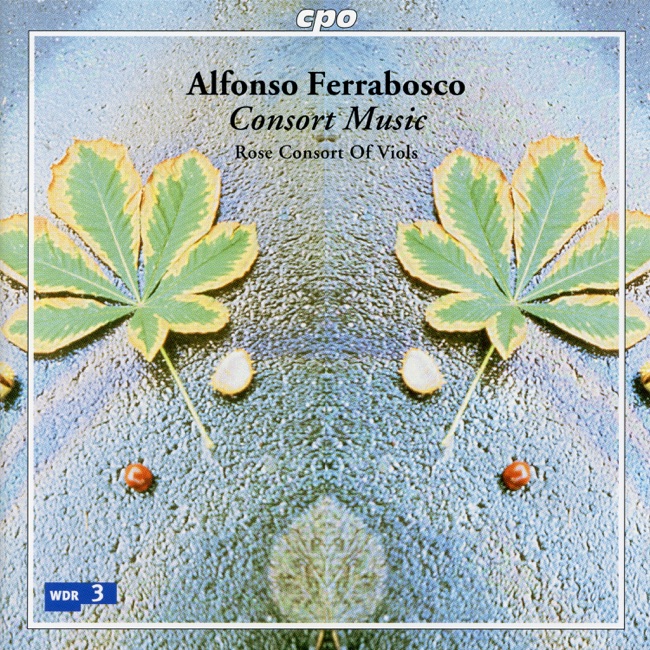 May 20, 2003
 -
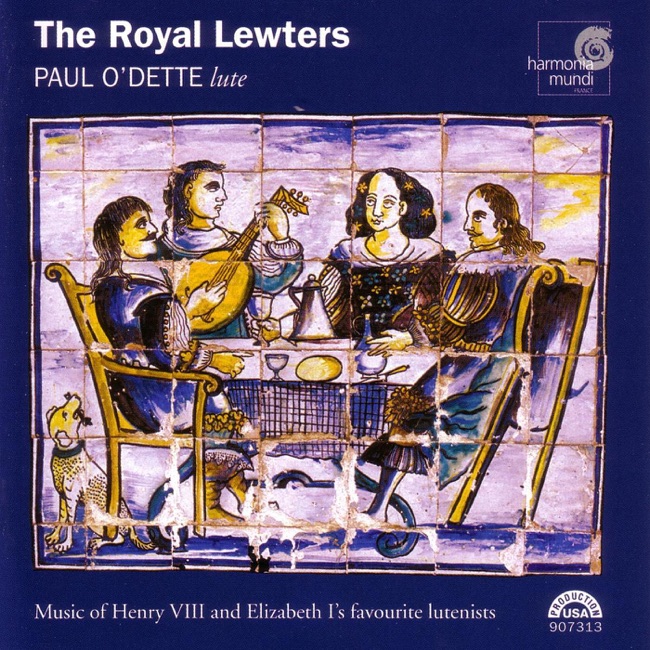 May 13, 2003
Vocal
-
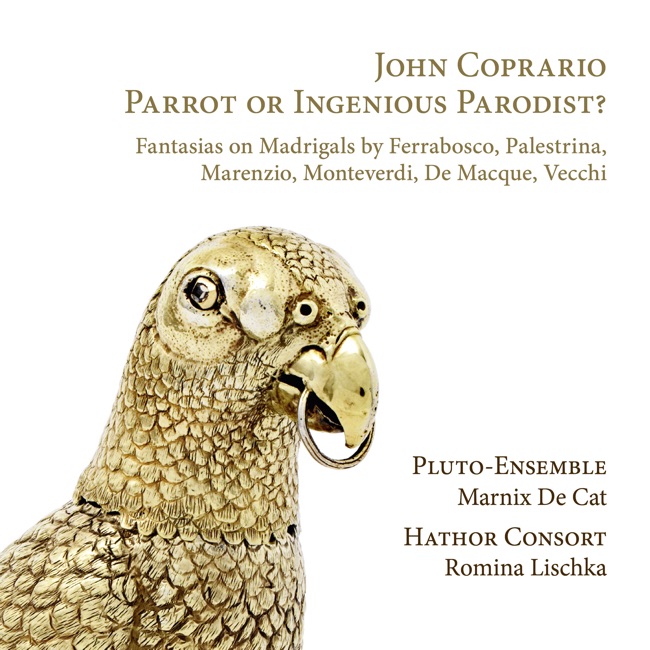 September 9, 2022
 -
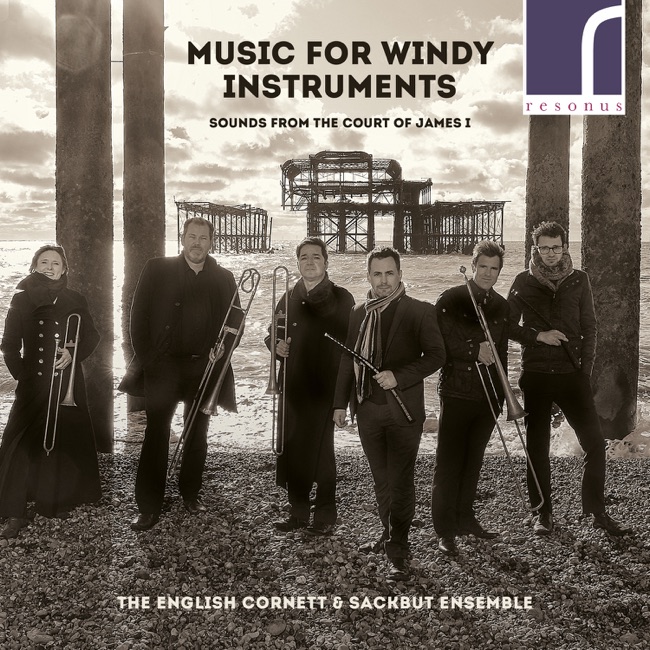 October 5, 2018
Artist Info
Role:ComposerCountry: ItalyBirth:January 18, 1543Death:August 12, 1588 in Bologna, ItalyPeriod:RenaissanceGenre:ChamberChoralOrchestralAlfonso Ferrabosco was a prominent composer of the Renaissance era, known for his contributions to the development of English music. He was born in Bologna, Italy in 1543, into a family of musicians. His father, Domenico Ferrabosco, was a renowned composer and singer, and his uncle, also named Alfonso Ferrabosco, was a prominent lutenist. Growing up in a musical family, Alfonso Ferrabosco was exposed to music from a young age and began his musical education under the tutelage of his father. In 1562, Ferrabosco moved to England, where he was appointed as a musician in the court of Queen Elizabeth I. He quickly gained a reputation as a skilled composer and performer, and was soon appointed as a member of the prestigious Chapel Royal. During his time in England, Ferrabosco composed a number of works for the court, including madrigals, motets, and instrumental pieces. One of Ferrabosco's most notable works is his collection of madrigals, which were published in 1588 under the title "Ayres." The collection includes 21 pieces, each of which is set to a poem by a different author. The madrigals are characterized by their intricate harmonies and expressive melodies, and are considered to be some of the finest examples of the genre from the Renaissance era. Ferrabosco also composed a number of instrumental works, including pieces for the lute and viol. His "Lessons for the Lyra Viol" are particularly noteworthy, as they are some of the earliest examples of music written specifically for the viol. The pieces are characterized by their complex polyphony and intricate ornamentation, and are considered to be some of the most challenging works in the viol repertoire. In addition to his work as a composer, Ferrabosco was also a skilled performer. He was known for his virtuosic playing on the lute and viol, and was highly regarded by his contemporaries. He was also a respected teacher, and his students included some of the most prominent musicians of the time, including John Dowland and Thomas Morley. Ferrabosco's contributions to English music were significant, and his influence can be seen in the works of many later composers. His use of complex harmonies and expressive melodies helped to pave the way for the development of the Baroque era, and his work on the viol helped to establish the instrument as an important part of the Renaissance ensemble. Despite his many accomplishments, Ferrabosco's life was not without its challenges. He struggled with financial difficulties throughout his career, and was often forced to rely on the patronage of wealthy individuals in order to support himself. He also faced personal tragedy, including the loss of his wife and several of his children. Despite these challenges, Ferrabosco continued to compose and perform throughout his life, leaving behind a legacy that continues to be celebrated today. His contributions to the development of English music were significant, and his work continues to be studied and performed by musicians around the world.More....


Copyright Ⓒ 2013 Davinci Finger. All rights reseved
Service Terms & Policy