Alfonso Ferrabosco
Incipit Lamentatio Jeremiae Prophetae I "... Aleph: Quodmodo sedet sola"
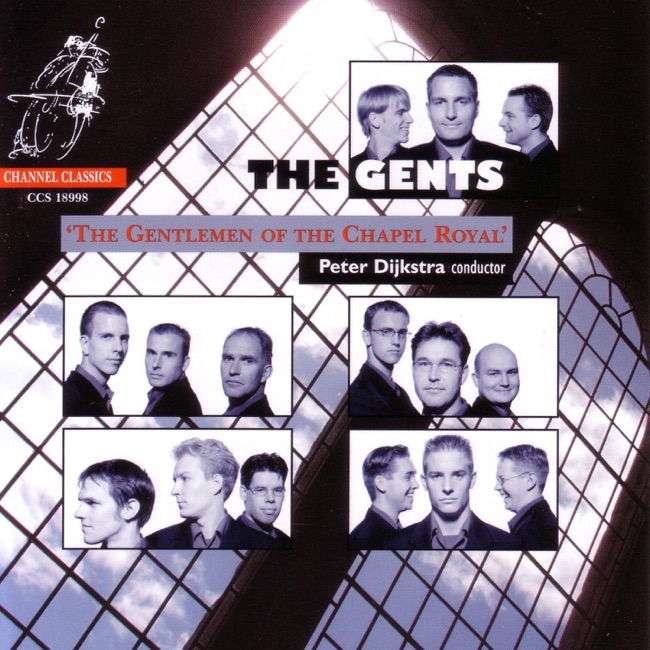
Works Info
Composer:Alfonso FerraboscoGenre:ChoralStyle:ChoralAverage_duration:9:10Alfonso Ferrabosco was an Italian composer who lived in the late Renaissance period. He was born in Bologna in 1543 and died in London in 1588. Ferrabosco was a prolific composer of both sacred and secular music, and his works were highly regarded during his lifetime. One of Ferrabosco's most famous works is his "Incipit Lamentatio Jeremiae Prophetae I ... Aleph: Quodmodo sedet sola," which was composed in 1575. The piece is a setting of the first chapter of the Book of Lamentations, which is traditionally read during the Holy Week services in the Catholic Church. The "Incipit Lamentatio Jeremiae Prophetae I ... Aleph: Quodmodo sedet sola" is a four-movement work that is scored for five voices. The first movement, "Quomodo sedet sola civitas," is a mournful lament that sets the scene for the rest of the piece. The second movement, "Plorans ploravit in nocte," is a more intense and emotional section that features intricate polyphony and dissonant harmonies. The third movement, "Facti sunt hostes eius," is a more subdued section that features a solo voice singing a mournful melody over a simple accompaniment. The final movement, "Jerusalem, convertere ad Dominum Deum tuum," is a hopeful and uplifting section that features a triumphant melody and joyful harmonies. The "Incipit Lamentatio Jeremiae Prophetae I ... Aleph: Quodmodo sedet sola" is a highly expressive and emotional work that showcases Ferrabosco's skill as a composer. The piece is characterized by its intricate polyphony, dissonant harmonies, and expressive melodies, which combine to create a powerful and moving musical experience. The work premiered in 1575 and quickly became popular throughout Europe. It has since been performed and recorded by numerous ensembles and remains a beloved piece of sacred music to this day.More....
Works Music