


All-Union Radio and Television Great Choir
Released Album
Opera
-
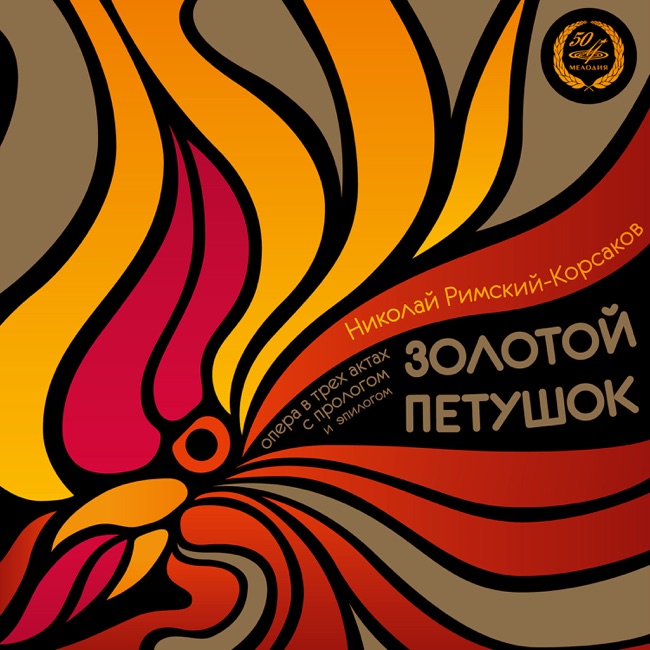 June 16, 2017
 -
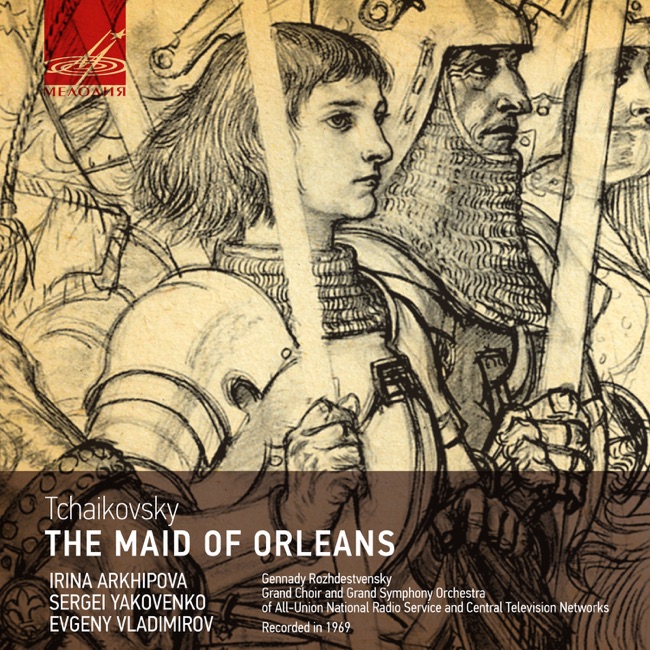 March 11, 2013
 -
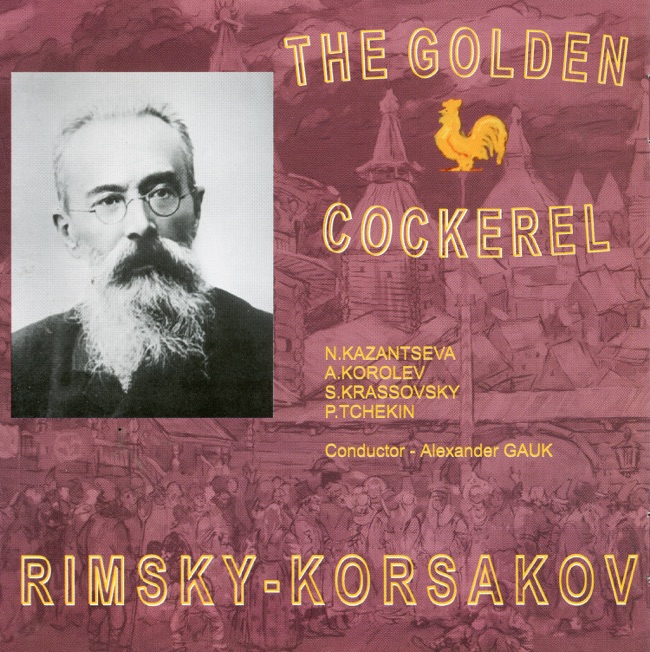 November 1, 2011
 -
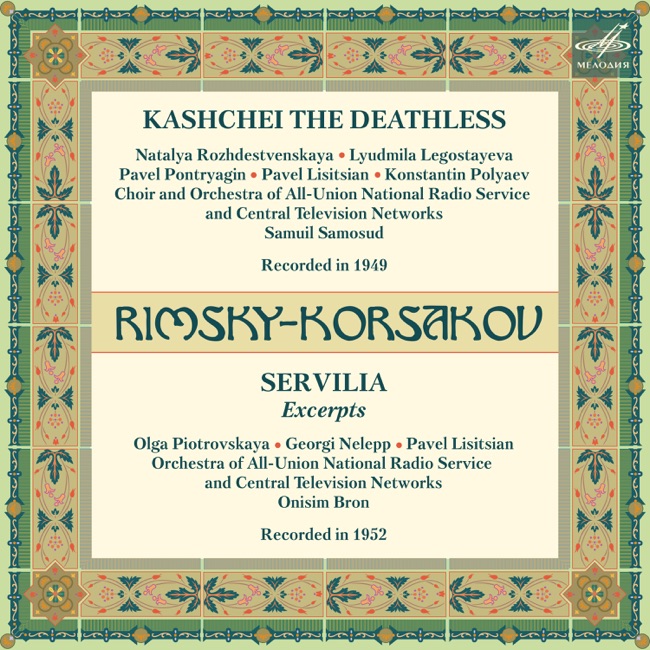
-
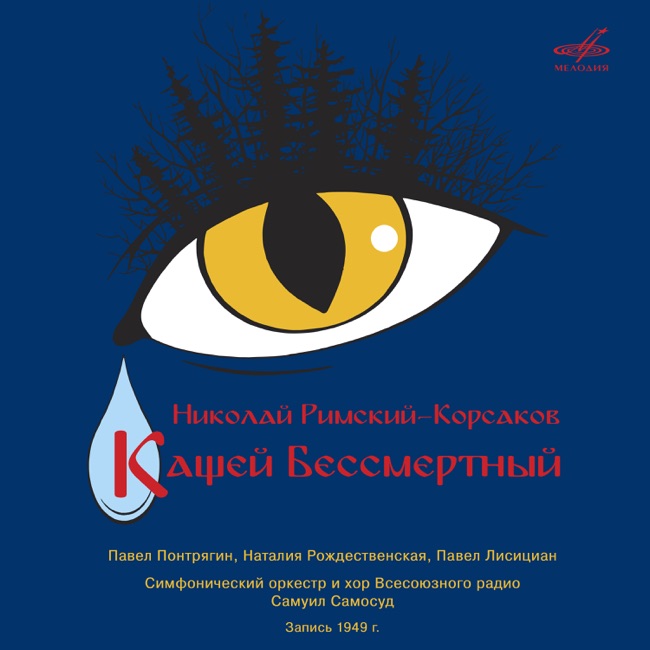
-
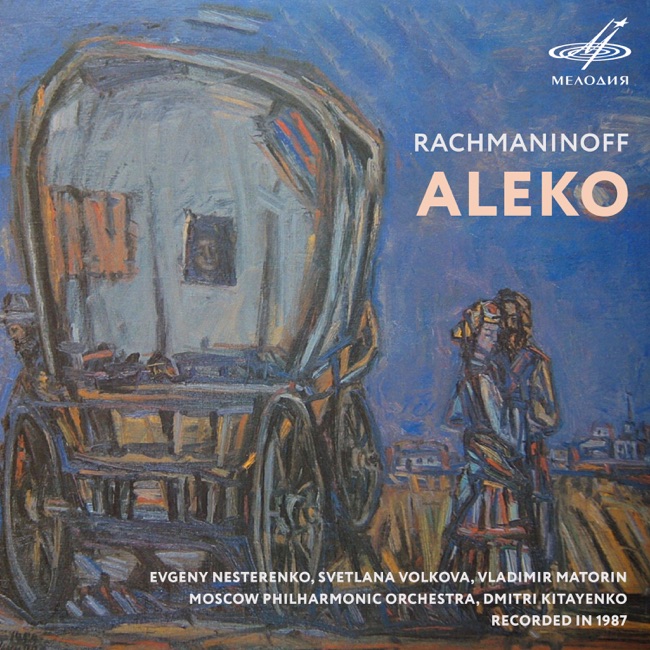 1989
1989
Artist Info
Role:EnsembleThe All-Union Radio and Television Great Choir was one of the most renowned classical music ensembles in the Soviet Union. Founded in 1929, the choir quickly gained a reputation for its exceptional performances of choral music, both sacred and secular. The choir was initially formed as part of the All-Union Radio and Television network, which was established in 1924 to provide radio and television broadcasts across the Soviet Union. The network's leadership recognized the potential of choral music as a means of promoting Soviet culture and ideology, and so the choir was created to showcase the best of Soviet choral music. The choir's first conductor was Alexander Sveshnikov, a renowned choral conductor who had previously led the Moscow Synodal Choir. Under Sveshnikov's leadership, the choir quickly established itself as one of the finest choral ensembles in the Soviet Union. Its repertoire included works by Soviet composers such as Sergei Rachmaninoff, Dmitri Shostakovich, and Arvo Pärt, as well as traditional Russian folk songs and sacred music. One of the choir's early highlights was its performance at the 1937 World Exhibition in Paris, where it received widespread acclaim for its rendition of Rachmaninoff's "All-Night Vigil." The choir's performance was broadcast across Europe and helped to establish its reputation as one of the world's leading choral ensembles. Throughout the 1940s and 1950s, the choir continued to perform at major events across the Soviet Union and abroad. It performed at the 1957 World Festival of Youth and Students in Moscow, where it sang a specially commissioned work by Shostakovich. The choir also toured extensively throughout Europe, performing in countries such as France, Italy, and Germany. In 1964, the choir was awarded the title of "People's Artist of the USSR," the highest honor that could be bestowed upon a performing ensemble in the Soviet Union. The award recognized the choir's outstanding contributions to Soviet culture and its role in promoting the ideals of socialism through its music. One of the choir's most famous performances took place in 1971, when it performed at the funeral of Soviet leader Nikita Khrushchev. The choir's rendition of the Russian Orthodox hymn "Eternal Memory" was widely praised for its solemnity and beauty, and helped to cement the choir's reputation as one of the most important cultural institutions in the Soviet Union. Despite its many achievements, the choir faced numerous challenges throughout its history. Like many Soviet institutions, it was subject to political interference and censorship, and its repertoire was often dictated by the government's cultural policies. In addition, the choir faced financial difficulties in the 1990s following the collapse of the Soviet Union, and was forced to disband in 1993. Despite these challenges, the All-Union Radio and Television Great Choir remains an important part of Soviet cultural history. Its performances continue to inspire and captivate audiences around the world, and its legacy lives on through recordings and archival footage. Today, the choir is remembered as one of the finest choral ensembles of the 20th century, and a testament to the power of music to unite and inspire people of all backgrounds and cultures.More....
Recent Artist Music
Copyright Ⓒ 2013 Davinci Finger. All rights reseved
Service Terms & Policy