


Sebastián Aguilera de Heredia
Released Album
Keyboard
-
 October 8, 2013
 -
 June 12, 2012
 -
 June 12, 2012
 -
 November 7, 2011
 -
 March 27, 2007
 -
 February 13, 2007
Miscellaneous
-
 December 9, 2003
Artist Info
Role:ComposerCountry: SpainBirth:1560's in Zaragoza, Aragon, SpainDeath:December 16, 1627 in Zaragoza, Aragon, SpainPeriod:BaroqueGenre:KeyboardSebastián Aguilera de Heredia was a Spanish composer and organist who lived during the late Renaissance and early Baroque periods. He was born in Zaragoza, Spain in 1561, and little is known about his early life and musical training. However, it is believed that he received his musical education at the Cathedral of Zaragoza, where he later served as an organist. Aguilera de Heredia's musical career began in the late 16th century, when he was appointed as the organist at the Cathedral of Huesca. He held this position for several years before moving to the Cathedral of Tarazona, where he served as the organist and maestro de capilla (choirmaster) from 1596 until his death in 1627. During his time at the Cathedral of Tarazona, Aguilera de Heredia composed a significant amount of sacred music, including masses, motets, and hymns. His works were highly regarded by his contemporaries, and he was considered to be one of the most important composers of his time in Spain. One of Aguilera de Heredia's most famous works is his collection of organ music, titled "El Organo de la Catedral de Tarazona" (The Organ of the Cathedral of Tarazona). This collection, which was published in 1626, contains 44 pieces for the organ, including toccatas, fantasias, and hymn settings. The collection is notable for its use of Spanish folk melodies and rhythms, which were incorporated into the traditional organ music of the time. In addition to his organ music, Aguilera de Heredia also composed a number of vocal works, including his "Liber Missarum" (Book of Masses), which contains 12 settings of the Ordinary of the Mass. These works are characterized by their use of polyphony and intricate vocal lines, which were typical of the Renaissance period. Aguilera de Heredia's music was highly influential in Spain during his lifetime, and his works were widely performed and admired. However, his music fell out of favor in the centuries following his death, and it was not until the 20th century that his works began to be rediscovered and appreciated by modern audiences. Today, Aguilera de Heredia is recognized as one of the most important composers of the Spanish Renaissance and early Baroque periods. His music is admired for its beauty, complexity, and innovative use of Spanish folk melodies and rhythms. His legacy continues to inspire musicians and composers around the world, and his works remain an important part of the classical music canon.More....
Recent Artist Music
2
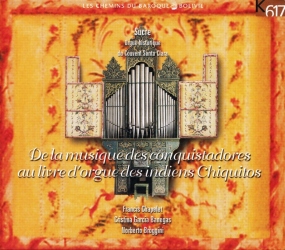
1:47
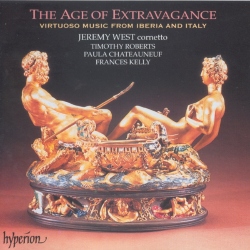
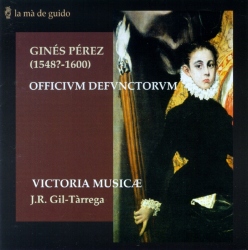
5
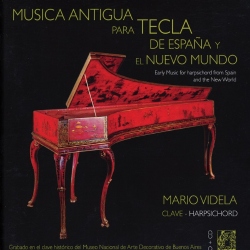
5:27
6
3:46
8
6:14
11
3:45
13
1:9
15
4:54
Copyright Ⓒ 2013 Davinci Finger. All rights reseved
Service Terms & Policy