Sebastián Aguilera de Heredia
Salve Regina for organ
Released Album
Recent Album
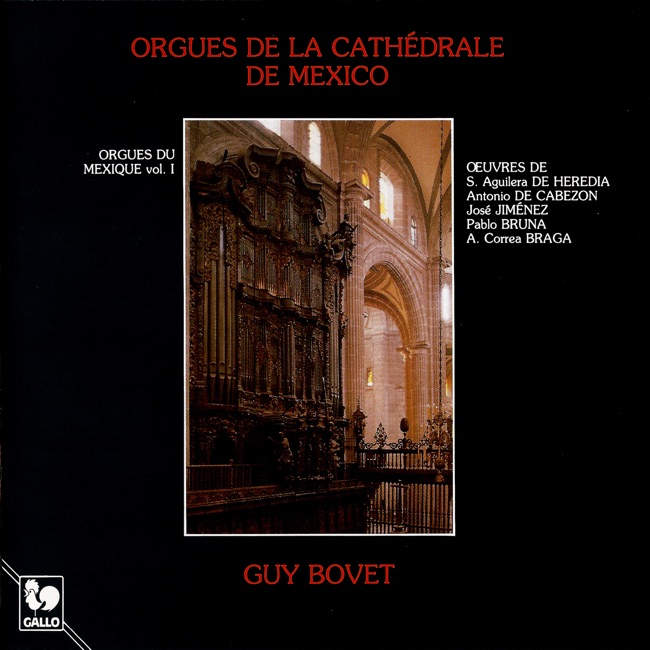
Works Info
Composer:Sebastián Aguilera de HerediaGenre:KeyboardStyle:KeyboardAverage_duration:4:25Sebastián Aguilera de Heredia was a Spanish composer and organist who lived from 1561 to 1627. He was born in Saragossa and spent most of his life in the region of Aragon. He is known for his contributions to the development of Spanish organ music during the Renaissance period. One of his most famous works is the "Salve Regina for organ," which was composed in the early 17th century. The piece is a setting of the Marian antiphon "Salve Regina," which is a hymn to the Virgin Mary. The "Salve Regina" is one of the most well-known and beloved hymns in the Catholic Church, and it has been set to music by many composers throughout history. Aguilera de Heredia's "Salve Regina for organ" is a beautiful and expressive piece of music that showcases the capabilities of the organ. The piece is divided into four movements, each of which is based on a different verse of the "Salve Regina" text. The first movement is a gentle and contemplative setting of the first verse of the hymn. The organ plays a simple melody that is accompanied by soft, sustained chords. The second movement is more lively and upbeat, with a faster tempo and more complex harmonies. This movement is based on the second verse of the hymn, which praises the Virgin Mary as a source of mercy and comfort. The third movement is a slower and more introspective setting of the third verse of the hymn. The organ plays a mournful melody that is accompanied by dissonant harmonies, creating a sense of sadness and longing. The final movement is a triumphant and joyful setting of the fourth verse of the hymn. The organ plays a lively and energetic melody that is accompanied by bright, celebratory chords. Overall, Aguilera de Heredia's "Salve Regina for organ" is a beautiful and expressive piece of music that showcases the capabilities of the organ. The piece is characterized by its simple melodies, complex harmonies, and expressive use of dynamics and tempo. It is a testament to the composer's skill and creativity, and it remains a beloved piece of music to this day.More....