


Ture Rangström
Released Album
Vocal
-
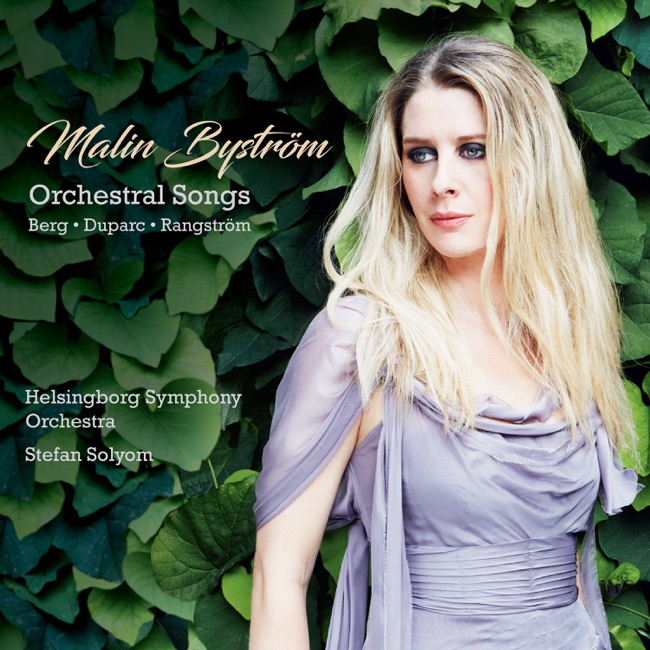 January 3, 2020
 -
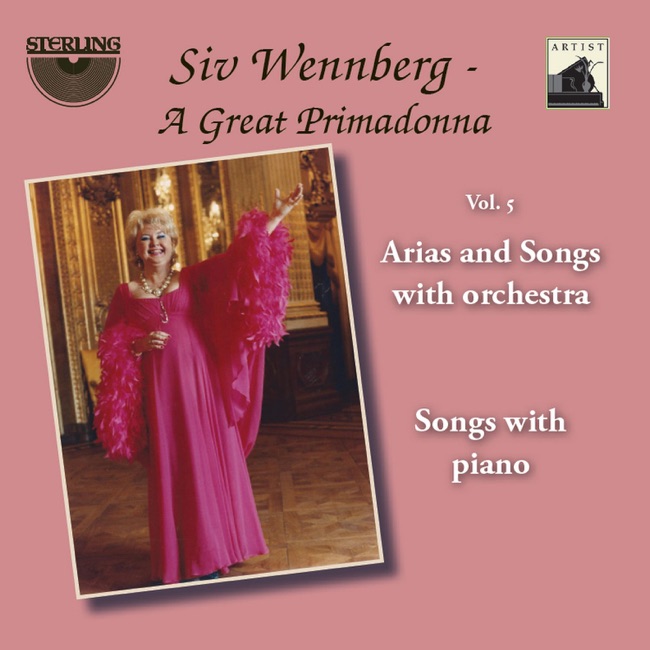
-
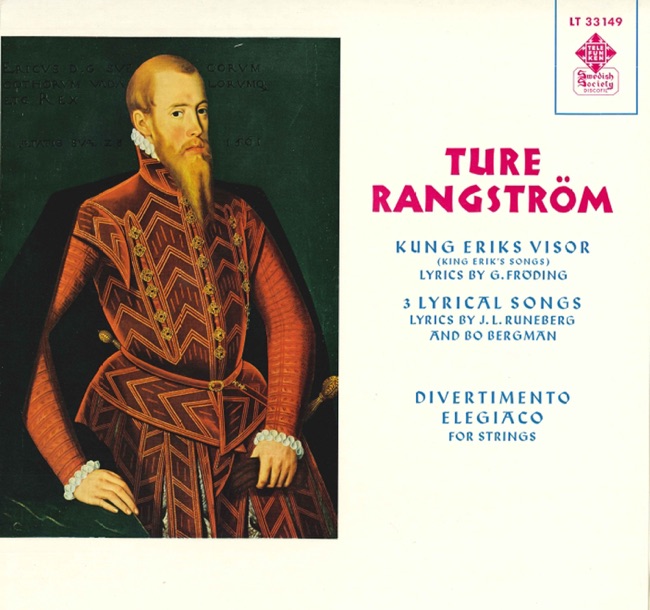
-
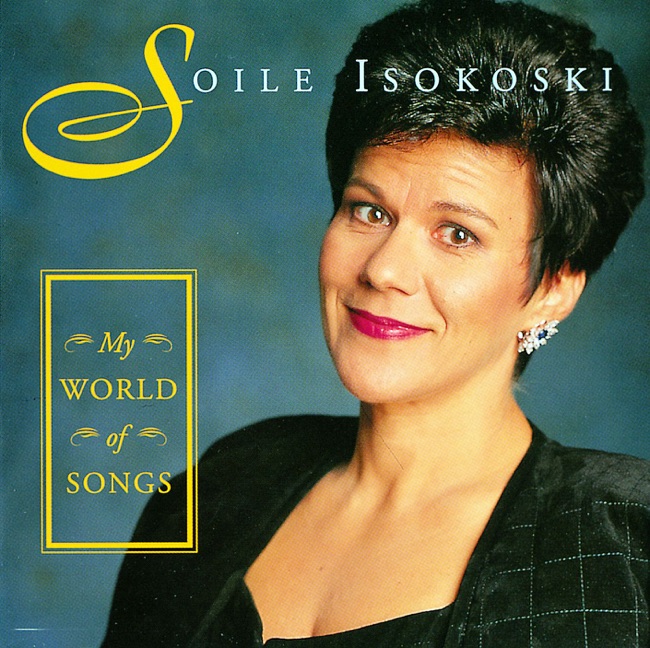 February 22, 2013
 -
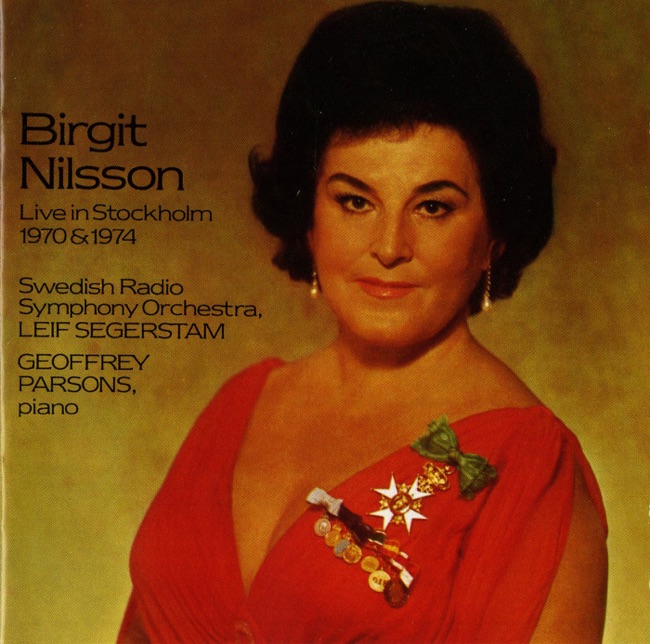 April 1, 2012
 -
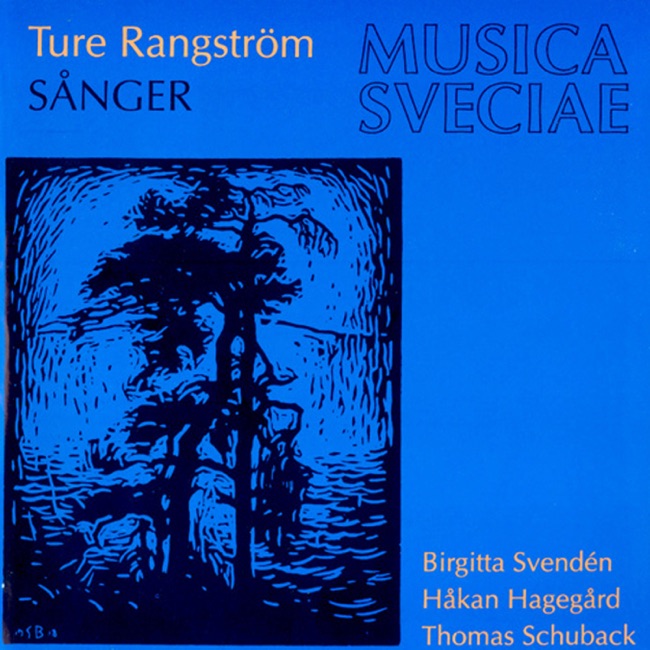 March 1, 2012
Miscellaneous
-
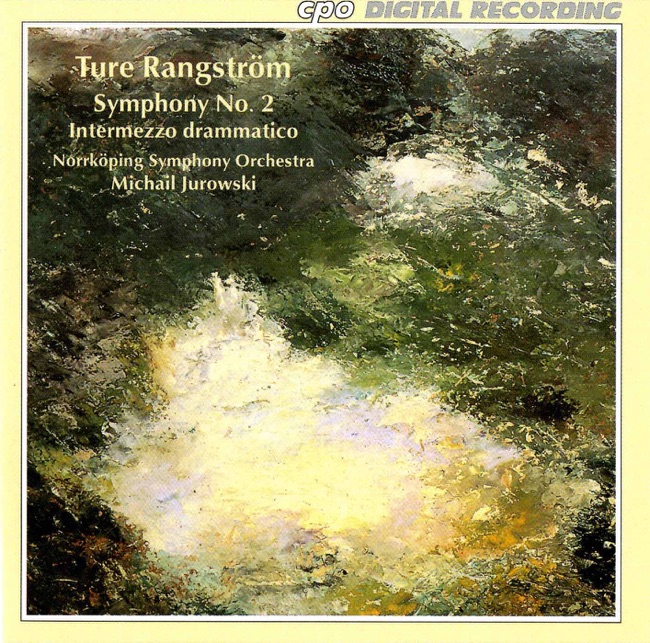 April 23, 1996
 -
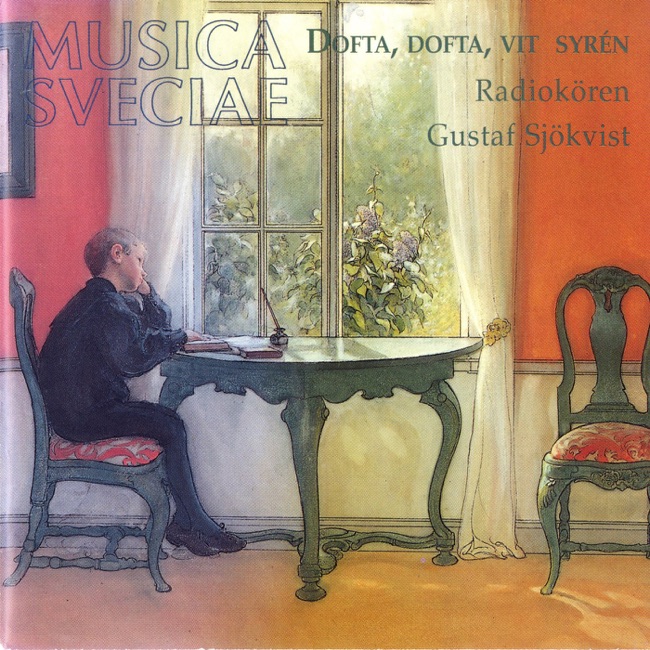 May 23, 1995
 -
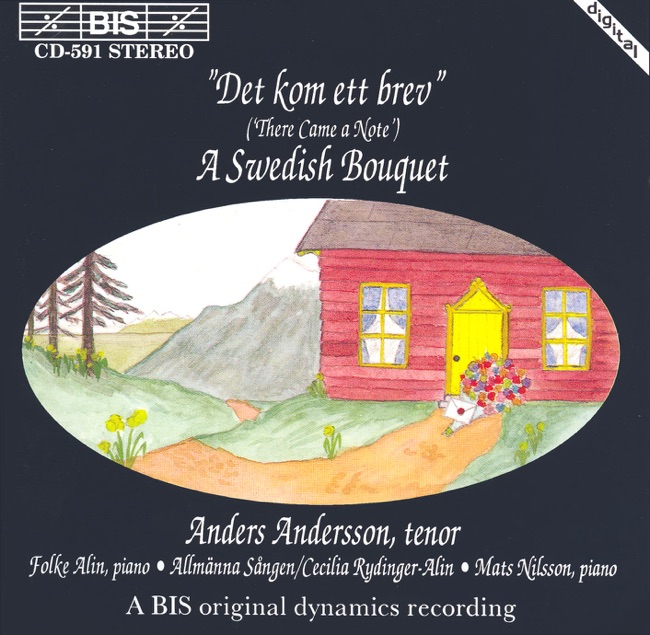 October 12, 1994
Orchestral
-
 January 24, 2012
 -
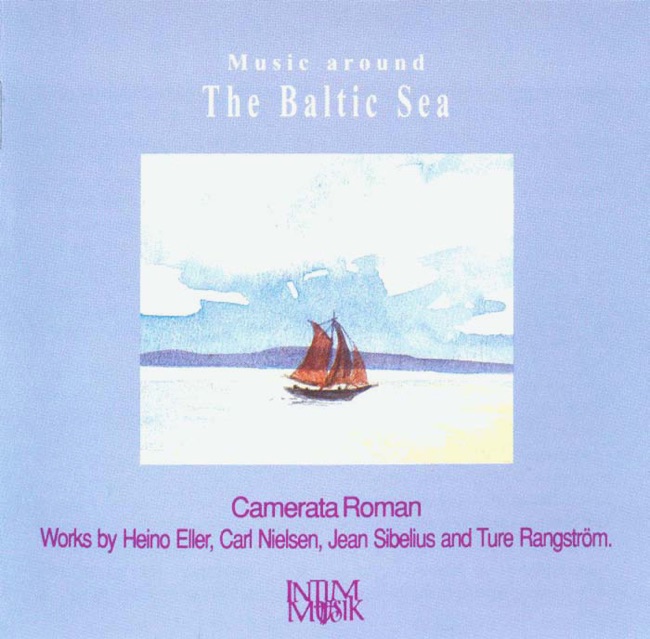 October 1, 2010
 -
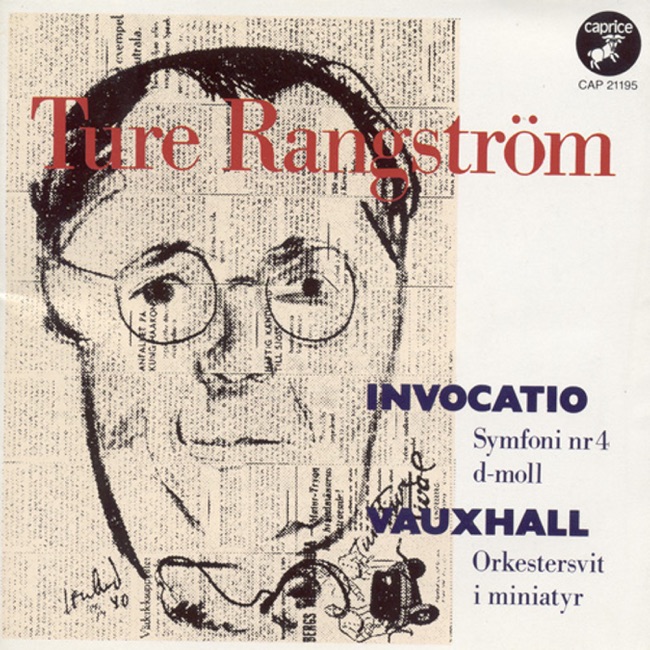 April 27, 2010
 -
 February 27, 2001
 -
 April 3, 2000
 -
 January 17, 2000
Symphony
-
 June 20, 2000
 -
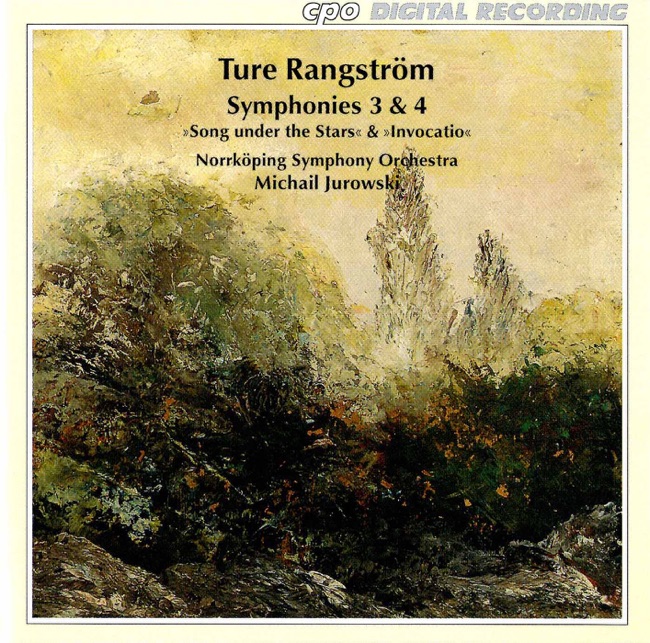 June 11, 1996
 -
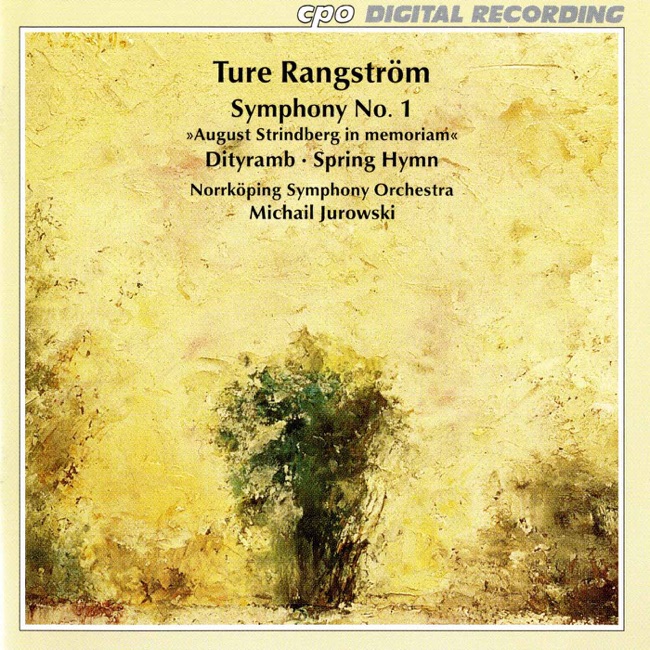
-
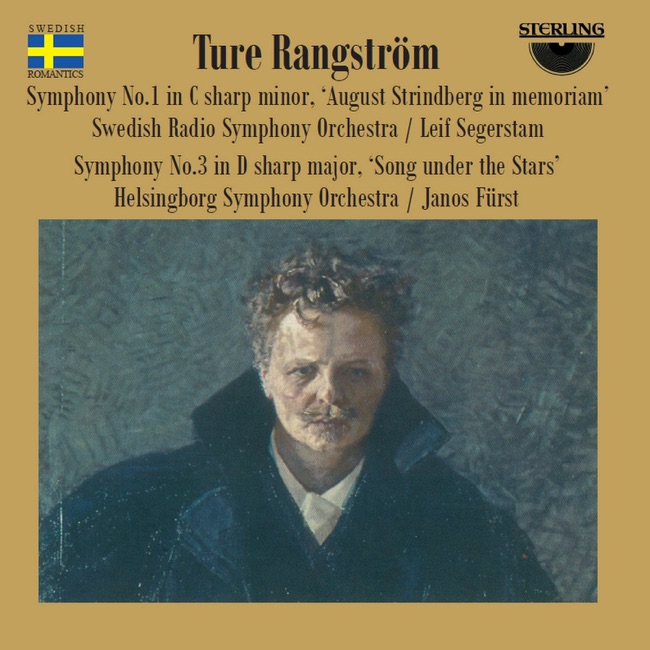
Artist Info
Role:ComposerCountry: SwedenBirth:November 30, 1884 in Stockholm, SwedenDeath:May 11, 1947 in Stockholm, SwedenPeriod:ModernGenre:VocalTure Rangström was a Swedish composer, conductor, and music critic who was born on November 30, 1884, in Stockholm, Sweden. He was the son of a wealthy businessman and grew up in a family that was interested in music. His mother was a pianist, and his father played the violin. Rangström began his musical education at a young age, studying piano and violin with his parents. In 1903, Rangström entered the Royal College of Music in Stockholm, where he studied composition with Johan Lindegren and piano with Richard Andersson. He graduated in 1908 and began working as a music critic for various newspapers and magazines. He also worked as a conductor, leading performances of his own works and those of other composers. Rangström's early compositions were influenced by the Romantic style of composers such as Richard Wagner and Richard Strauss. His first major work, the Symphony No. 1 in C minor, was premiered in 1914 and received critical acclaim. The symphony is characterized by its lush harmonies and sweeping melodies, and it demonstrates Rangström's skill as an orchestrator. During World War I, Rangström served in the Swedish army as a musician. He continued to compose during this time, and his music began to show the influence of Swedish folk music and poetry. In 1918, he composed his first song cycle, "Fyra dikter av Bo Bergman" (Four Poems by Bo Bergman), which set the poetry of the Swedish poet Bo Bergman to music. The cycle was well-received and established Rangström as a leading composer of Swedish art song. In the 1920s, Rangström's music became more experimental and modernist. He began to incorporate elements of atonality and dissonance into his compositions, and he experimented with unconventional forms and structures. His opera "Kronbruden" (The Crown Bride), which premiered in 1920, is an example of this experimentation. The opera is based on a Swedish folk tale and features a complex, non-linear narrative structure. Rangström's most famous work is his song cycle "Vallflickans sånger" (The Songs of the Shepherdess), which was composed between 1921 and 1923. The cycle consists of 18 songs that set the poetry of the Swedish poet Gustaf Fröding to music. The cycle is considered a masterpiece of Swedish art song and is characterized by its evocative melodies, lush harmonies, and vivid depictions of nature. In addition to his work as a composer, Rangström was also a respected conductor. He conducted the Stockholm Philharmonic Orchestra from 1923 to 1926 and the Gothenburg Symphony Orchestra from 1927 to 1931. He also conducted the premieres of many of his own works, including his Symphony No. 2 in D major, which was premiered by the Stockholm Philharmonic Orchestra in 1926. Rangström's later works continued to explore new musical ideas and techniques. His Symphony No. 3 in C major, which was premiered in 1932, is characterized by its use of polytonality and complex rhythms. His opera "Mäster Olof" (Master Olof), which premiered in 1936, is based on the life of the Swedish reformer Olaus Petri and features a modernist score that incorporates elements of Swedish folk music. Rangström's music fell out of favor in the years following his death in 1947. However, in recent years, there has been a renewed interest in his work, and his music has been performed and recorded by a new generation of musicians.More....
Recent Artist Music

14
22:3
Copyright Ⓒ 2013 Davinci Finger. All rights reseved
Service Terms & Policy