


Pehr Henrik Nordgren
Released Album
Concerto
-
 October 7, 2022
 -
 March 15, 2019
 -
 February 1, 2019
 -
 May 5, 2015
 -
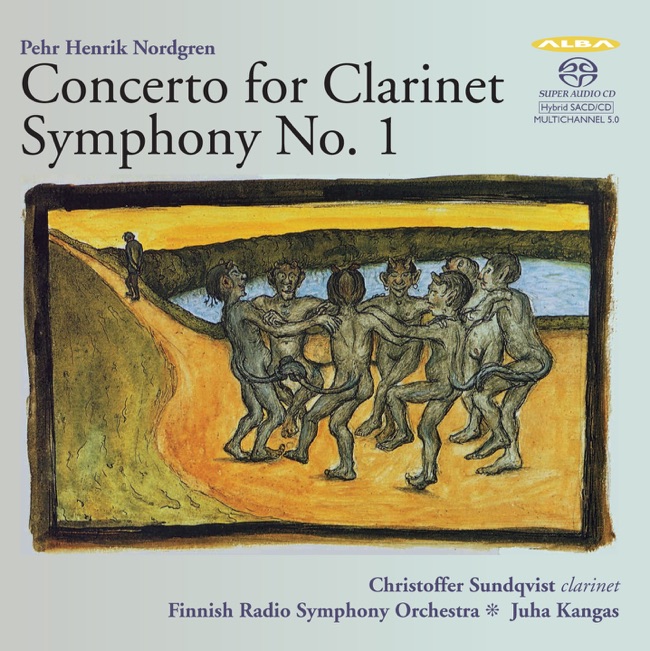 December 9, 2013
 -
 February 14, 2012
Chamber
-
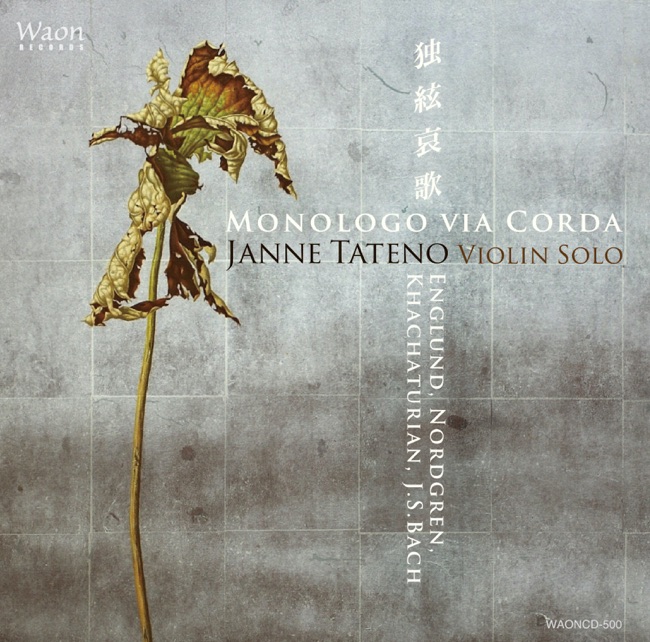 December 4, 2021
 -
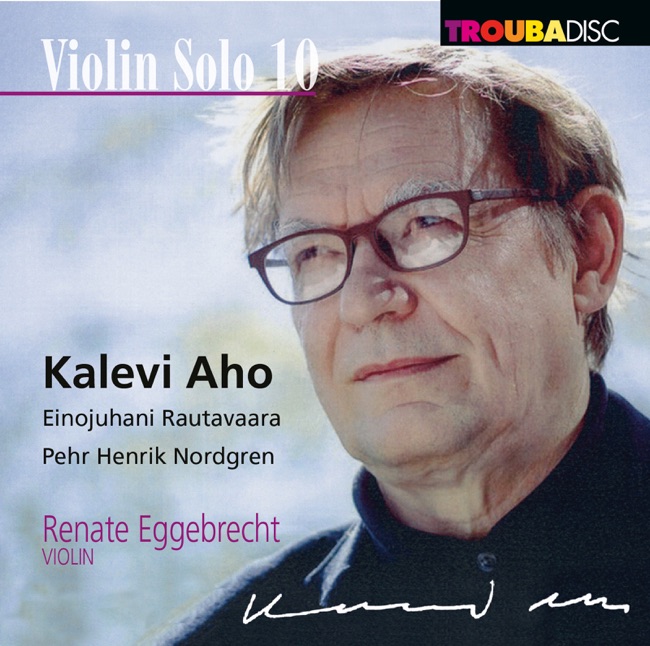
-
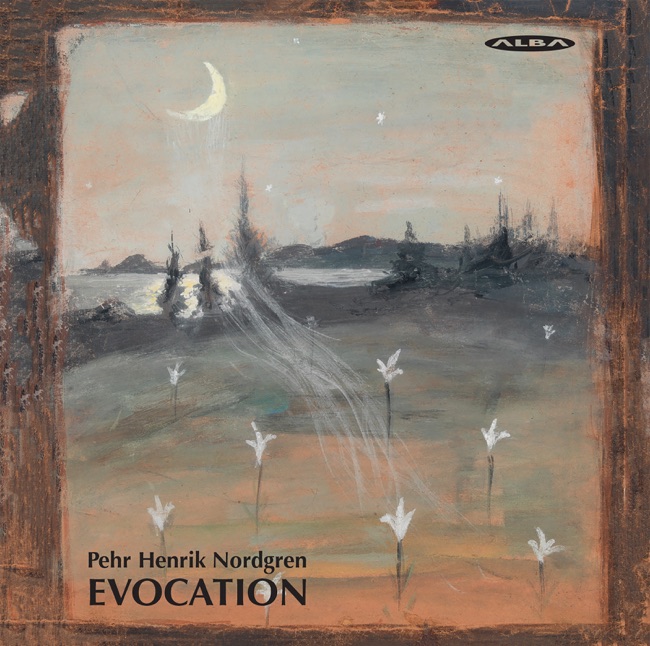 May 18, 2018
 -
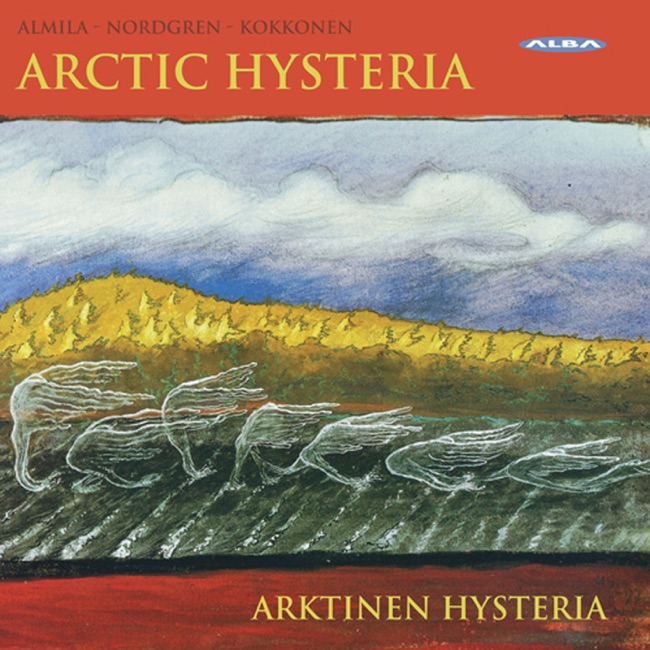 April 12, 2011
 -
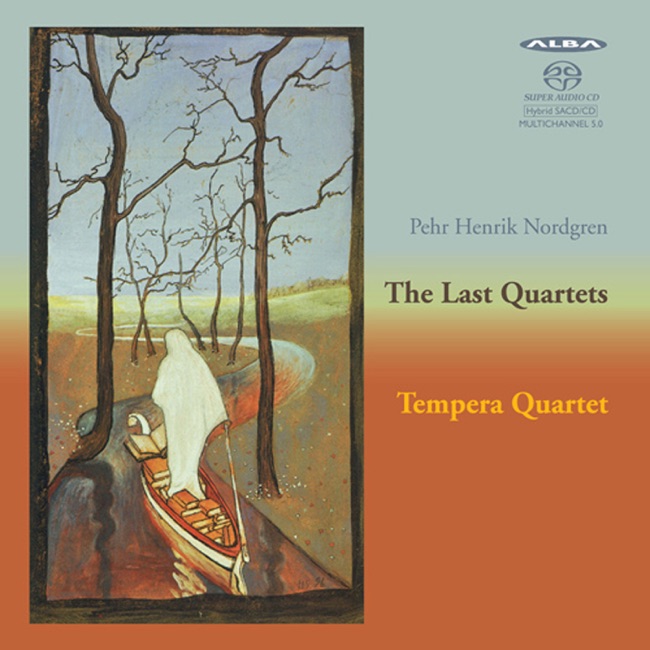 June 16, 2010
 -
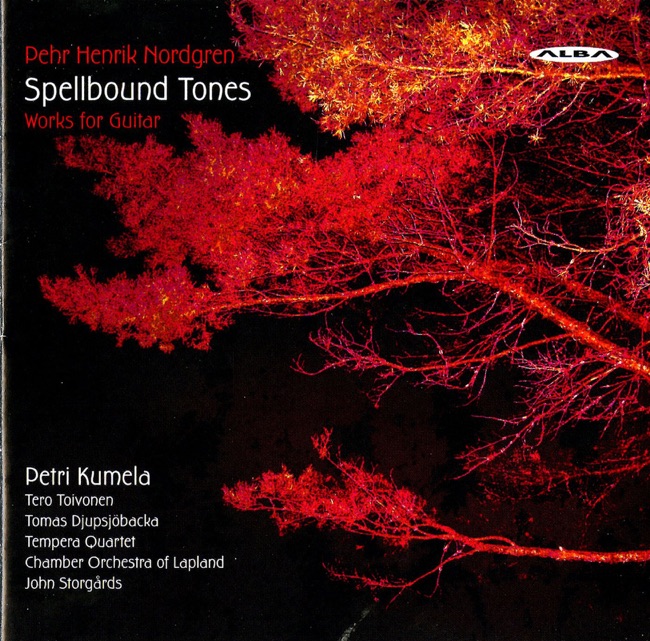 April 25, 2006
Orchestral
-
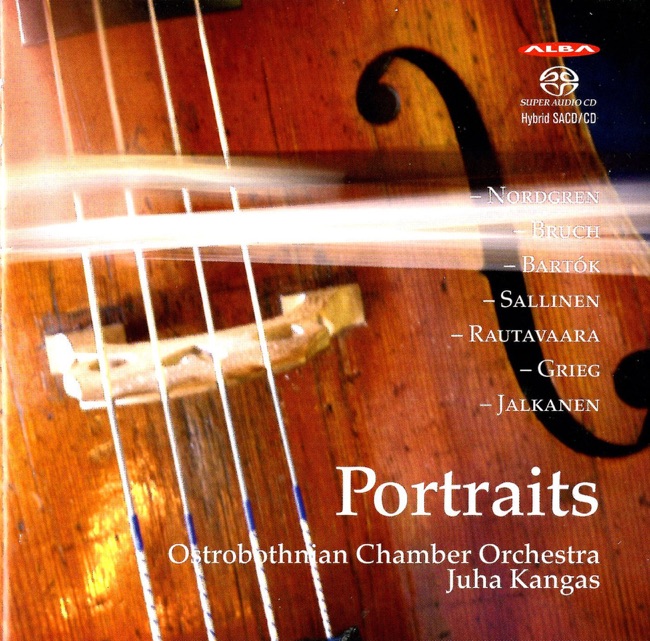 July 17, 2015
 -
 March 12, 2013
 -
 December 15, 2002
 -
 March 18, 1997
 -
Symphony
-
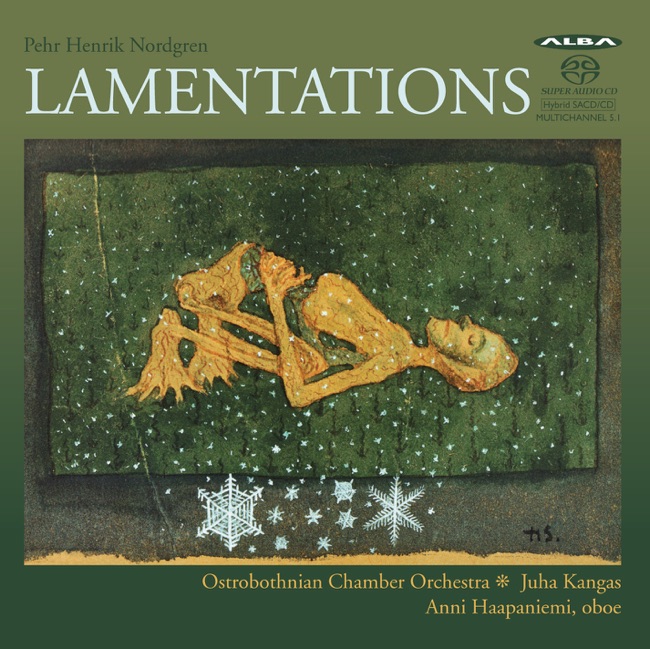 June 8, 2010
 -
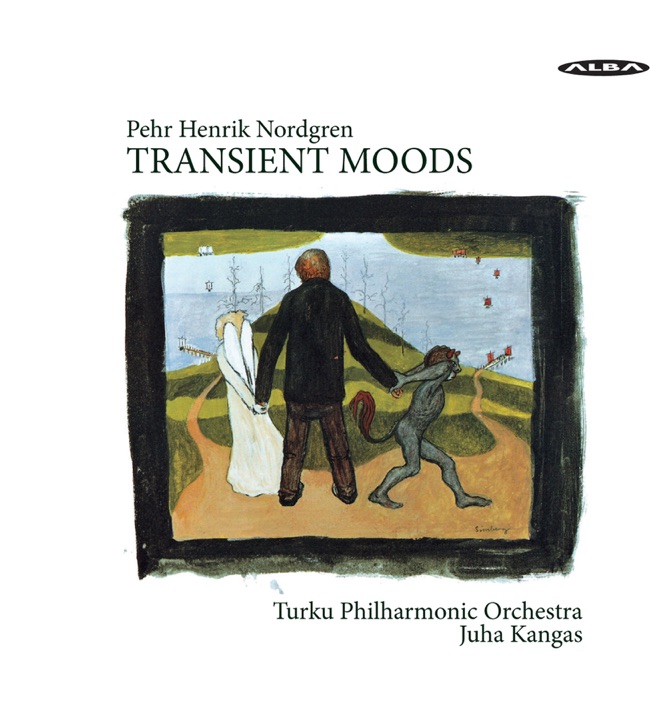 March 9, 2010
 -
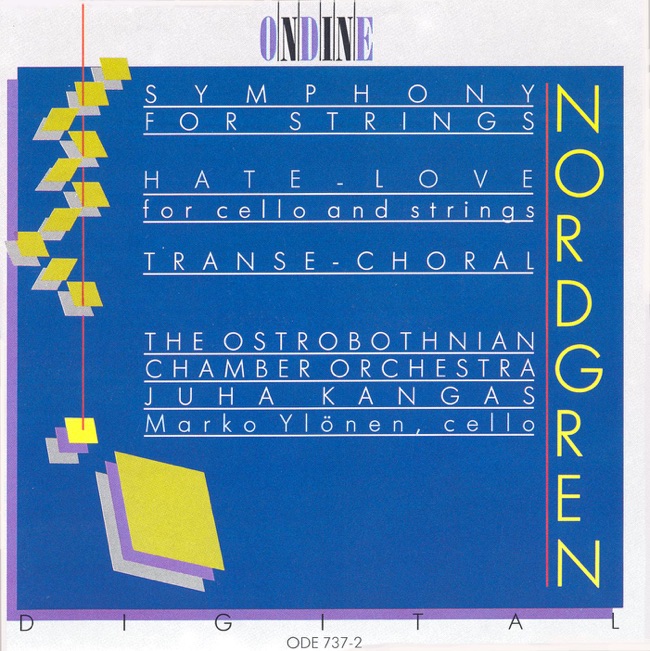 June 23, 2009
 -
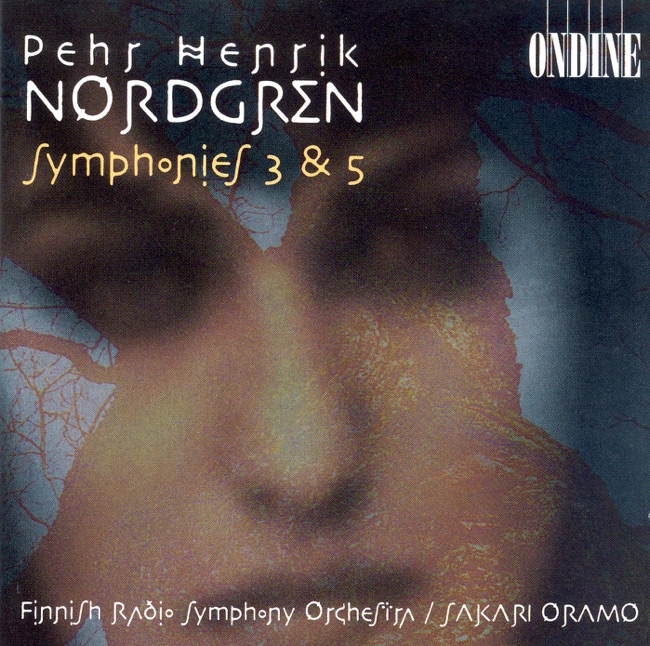 November, 1999
Artist Info
Role:ComposerCountry: FinlandBirth:January 19, 1944 in Saltvik, FinlandDeath:August 25, 2008 in Veteli, FinlandPeriod:ContemporaryGenre:ChamberConcertoOrchestralSymphonyPehr Henrik Nordgren was a Finnish composer who was born on February 19, 1944, in Saltvik, Åland. He was the son of a farmer and grew up in a rural environment. Nordgren showed an early interest in music and began playing the piano at the age of six. He later learned to play the violin and the guitar. Nordgren studied music at the Sibelius Academy in Helsinki from 1963 to 1967. He then continued his studies in Germany, where he studied with the composer Karlheinz Stockhausen. Nordgren was influenced by Stockhausen's avant-garde approach to music, but he also drew inspiration from the Finnish folk music tradition. Nordgren's early works were experimental and avant-garde, but he later developed a more tonal and melodic style. His music is characterized by its use of folk melodies, its rhythmic complexity, and its emotional intensity. Nordgren's first major work was his Symphony No. 1, which he composed in 1971. The symphony is a complex and challenging work that reflects Nordgren's interest in avant-garde music. It features dissonant harmonies, complex rhythms, and unconventional orchestration. In the 1970s, Nordgren began to incorporate elements of Finnish folk music into his compositions. He was particularly interested in the music of the Karelian region, which is known for its distinctive vocal style and use of the kantele, a traditional Finnish stringed instrument. Nordgren's interest in folk music is evident in works such as his Symphony No. 2, which he composed in 1974. The symphony features a prominent role for the kantele and incorporates elements of Karelian folk music. Nordgren's music became more tonal and melodic in the 1980s. He continued to draw inspiration from folk music, but he also began to incorporate elements of Romanticism into his compositions. His Symphony No. 3, which he composed in 1982, is a lush and lyrical work that features soaring melodies and rich harmonies. Nordgren's most famous work is his Symphony No. 4, which he composed in 1984. The symphony is a powerful and emotional work that reflects Nordgren's interest in Finnish mythology. It features a prominent role for the kantele and incorporates elements of Finnish folk music. Nordgren continued to compose throughout the 1990s and 2000s. His later works are characterized by their simplicity and clarity. He often used a minimalist approach, with simple melodies and repetitive rhythms. Nordgren's final work was his Symphony No. 12, which he composed in 2008. The symphony is a haunting and introspective work that reflects Nordgren's contemplation of mortality. It features a prominent role for the cello and incorporates elements of Finnish folk music. Nordgren was a prolific composer who wrote over 100 works in a variety of genres, including symphonies, concertos, chamber music, and vocal music. He was widely regarded as one of Finland's most important composers and was awarded numerous honors throughout his career. Nordgren died on August 25, 2008, in Veteli, Finland, at the age of 64. His music continues to be performed and recorded by orchestras and ensembles around the world.More....
Recent Artist Music
2
9:58
8
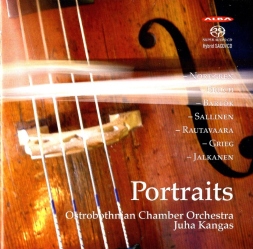
Concerto for strings, Op.54
1. Pahojen päiven aavistuksia (Premonitions of bad days). Moderato
7:15
12
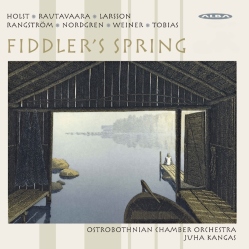
Kuvia sårårån menneisydæst (Pictures of Rural Past), Op. 139
4. Nuorukaisen hyvästijättö. Amerikaan lähtiessä
3:38
13
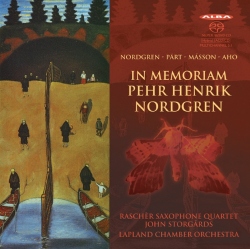
Concerto for 4 saxophones & string orchestra (with gong), Op. 108
Concerto for Saxophone Quartet and String Orchestra with Gong, Op. 108
22:45
14
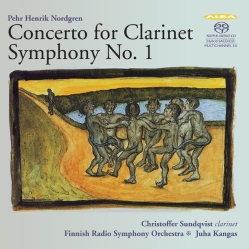
Concerto for clarinet, canteen, accordion, bowed harp & orchestra, Op. 14
1. Maanit (Spirits)
9:13

Copyright Ⓒ 2013 Davinci Finger. All rights reseved
Service Terms & Policy