


Patrice Chereau
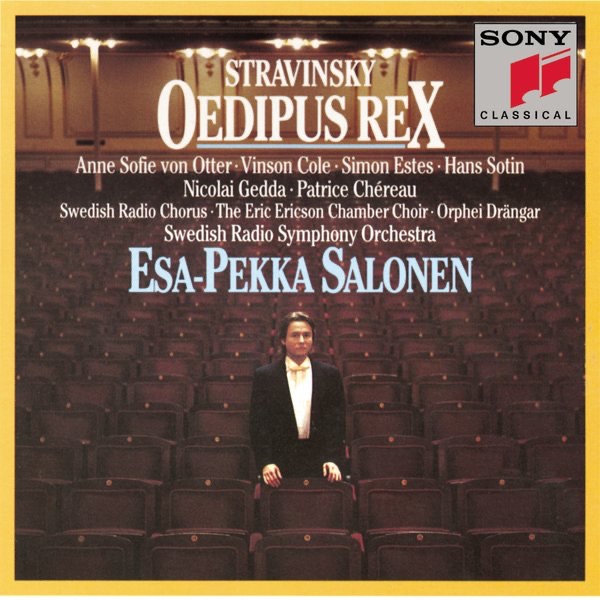
Artist Info
Role:PerformerBirth:November 2, 1944Death:October 7, 2013Genre:OperaPatrice Chéreau was a French opera and theatre director, filmmaker, and actor. He was born on November 2, 1944, in Lézigné, France, and died on October 7, 2013, in Paris, France. Chéreau was one of the most influential and innovative directors of his generation, known for his bold and provocative productions that challenged traditional notions of theatre and opera. Chéreau grew up in a family of artists and intellectuals. His father was a painter, and his mother was a writer. He was educated at the Lycée Louis-le-Grand in Paris, where he developed an interest in theatre and literature. He began his career as an actor, appearing in several films and stage productions in the 1960s. In 1969, Chéreau made his directorial debut with a production of Jean Genet's play "The Balcony" at the Théâtre de Sartrouville. The production was a critical and commercial success, and it established Chéreau as a major force in French theatre. He went on to direct several other groundbreaking productions, including "Hamlet" (1971), "The Maids" (1975), and "Phèdre" (1983). Chéreau's first foray into opera came in 1976, when he directed a production of Richard Wagner's "Der Ring des Nibelungen" at the Bayreuth Festival in Germany. The production was controversial for its modernist staging and political subtext, but it was also a critical and commercial success. Chéreau went on to direct several other operas, including "Tristan und Isolde" (1981), "Elektra" (1987), and "Pelléas et Mélisande" (1992). Chéreau was also a prolific filmmaker, directing several acclaimed films throughout his career. His most famous film is "Queen Margot" (1994), a historical drama set during the French Wars of Religion. The film won several awards, including the Jury Prize at the Cannes Film Festival. Chéreau's work was characterized by its boldness, its intellectual rigor, and its political engagement. He was known for his willingness to take risks and to challenge his audiences, both intellectually and emotionally. His productions often dealt with themes of power, sexuality, and violence, and they were marked by a sense of urgency and intensity. Chéreau received numerous awards and honors throughout his career. In 1986, he was awarded the Legion of Honor, one of France's highest honors. He also received several awards for his work in theatre and opera, including the Laurence Olivier Award, the Molière Award, and the Golden Mask Award. Chéreau's legacy as a director and artist is profound. He was a pioneer in the field of theatre and opera, and his work continues to inspire and challenge artists around the world. His productions were marked by their intellectual rigor, their emotional intensity, and their political engagement, and they remain some of the most important and influential works of art of the 20th century.More....
Recent Artist Music
Copyright Ⓒ 2013 Davinci Finger. All rights reseved
Service Terms & Policy