


Riccardo Drigo
Released Album
Ballet
-
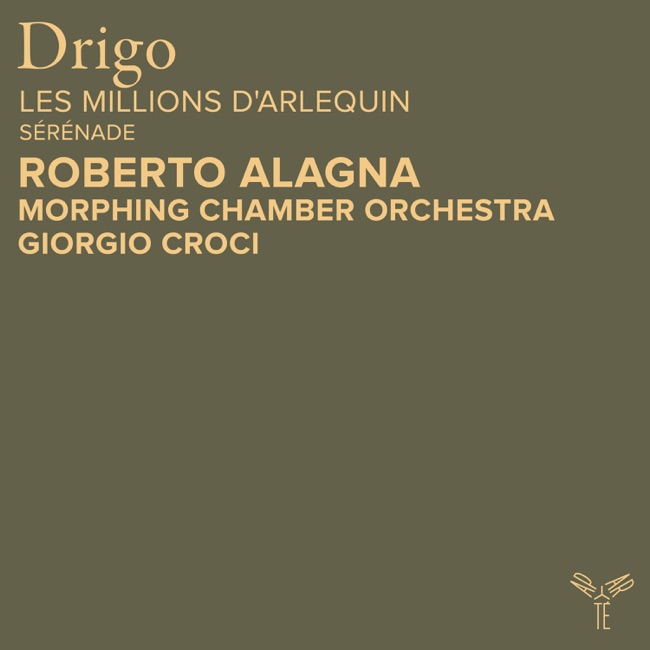 September 6, 2024
 -
 March 18, 2022
 -
 September 3, 2021
 -
 August 6, 2021
 -
 August 6, 2021
 -
 June 18, 2021
Artist Info
Role:ComposerBirth:June 30, 1846 in Padua, ItalyDeath:October 1, 1930 in Padua, ItalyPeriod:RomanticContemporaryModernGenre:BalletOrchestralRiccardo Eugenio Drigo was an Italian composer and conductor who was born on June 30, 1846, in Padua, Italy. He was the son of Giuseppe Drigo, a musician who played the double bass in the orchestra of the Teatro alla Scala in Milan. Riccardo Drigo showed an early interest in music and began studying the piano and composition at a young age. Drigo's musical education began at the Milan Conservatory, where he studied under the guidance of Francesco Sangalli. He later continued his studies in Vienna, where he studied with Anton Bruckner and Johann Nepomuk Fuchs. Drigo's talent as a composer was recognized early on, and he was awarded the prestigious Franz Joseph Prize for composition in 1867. Drigo's career as a conductor began in 1878 when he was appointed as the conductor of the Imperial Ballet in St. Petersburg, Russia. He quickly became known for his skill as a conductor and his ability to work with dancers. Drigo's tenure at the Imperial Ballet lasted for over 20 years, during which time he composed many ballets and conducted numerous performances. One of Drigo's most famous works is the ballet "Les Millions d'Arlequin" (Harlequin's Millions), which was first performed in 1900. The ballet tells the story of Harlequin, a character from the commedia dell'arte, who inherits a fortune and must navigate the challenges that come with wealth. The ballet is known for its intricate choreography and Drigo's beautiful score, which features a variety of musical styles, including waltzes, polkas, and mazurkas. Another notable work by Drigo is the ballet "La Esmeralda," which was first performed in 1899. The ballet is based on Victor Hugo's novel "The Hunchback of Notre Dame" and tells the story of the gypsy girl Esmeralda and her love for the hunchback Quasimodo. Drigo's score for the ballet is considered one of his finest works, and it features a number of memorable melodies and lush orchestration. Drigo's other notable works include the ballets "Le Talisman," "La Flûte Magique," and "Le Réveil de Flore," as well as numerous operas, operettas, and orchestral works. Drigo was also known for his arrangements of popular music, including his arrangement of the "Pas de Quatre" from the ballet "Swan Lake," which is still performed today. Drigo's influence on the world of ballet and classical music cannot be overstated. His beautiful melodies, lush orchestration, and skillful use of musical styles have inspired generations of composers and dancers. Drigo died on October 1, 1930, in Alassio, Italy, but his legacy lives on through his music and the countless performances of his works that continue to captivate audiences around the world.More....
Recent Artist Music










Copyright Ⓒ 2013 Davinci Finger. All rights reseved
Service Terms & Policy