


Leonardo Balada
Released Album
Orchestral
-
 February 10, 2015
 -
 November 25, 2013
 -
 August 17, 2004
 -
 November 28, 2000
 -
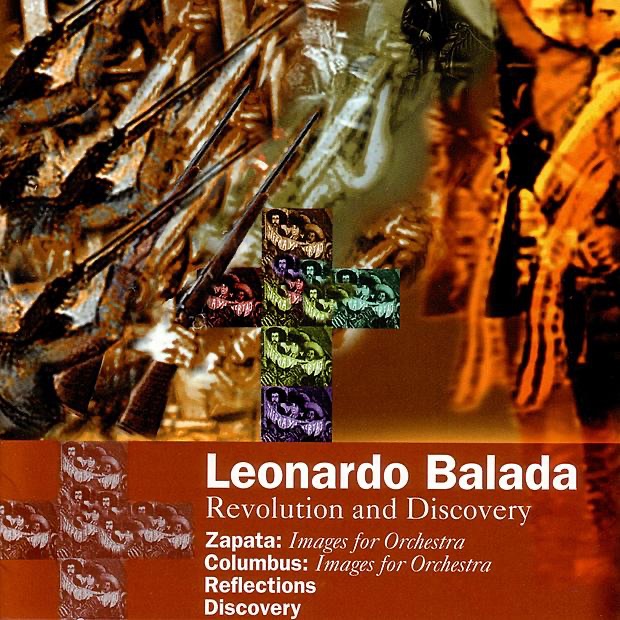 December 14, 1999
Concerto
-
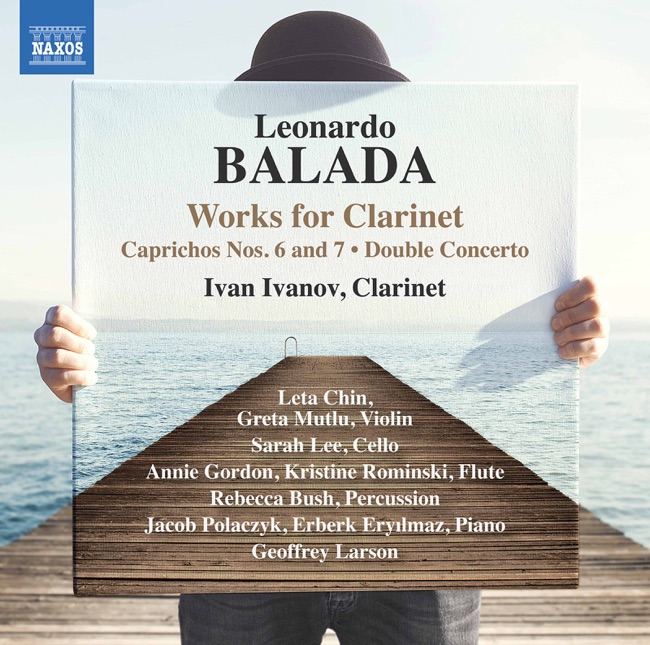 April 24, 2020
 -
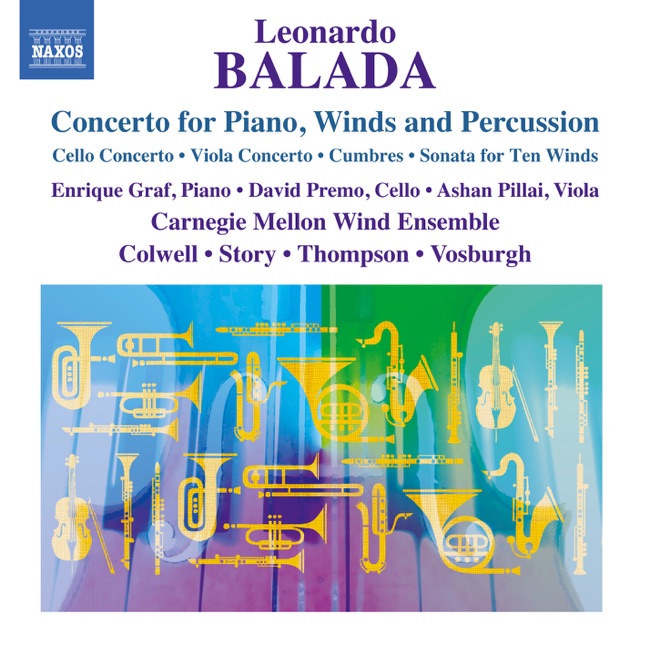
-
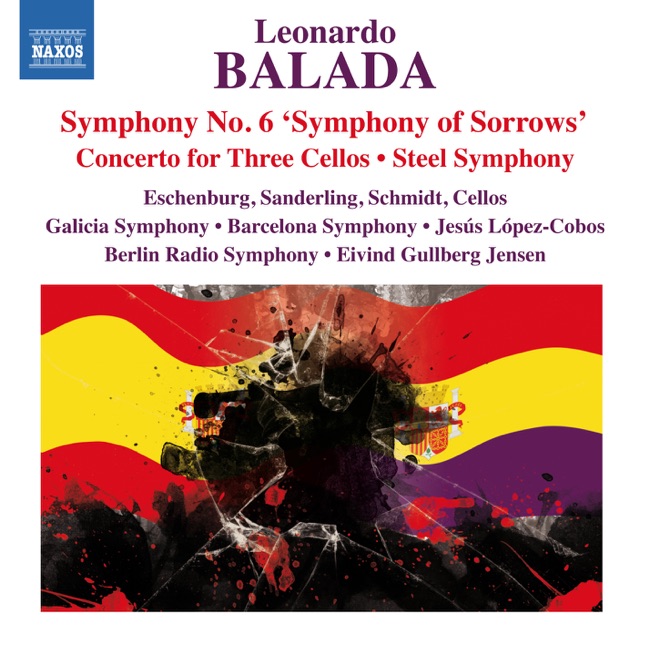
-
 January 30, 2012
 -
 January 25, 2011
 -
 August 21, 2001
Chamber
-
 November 10, 2017
 -
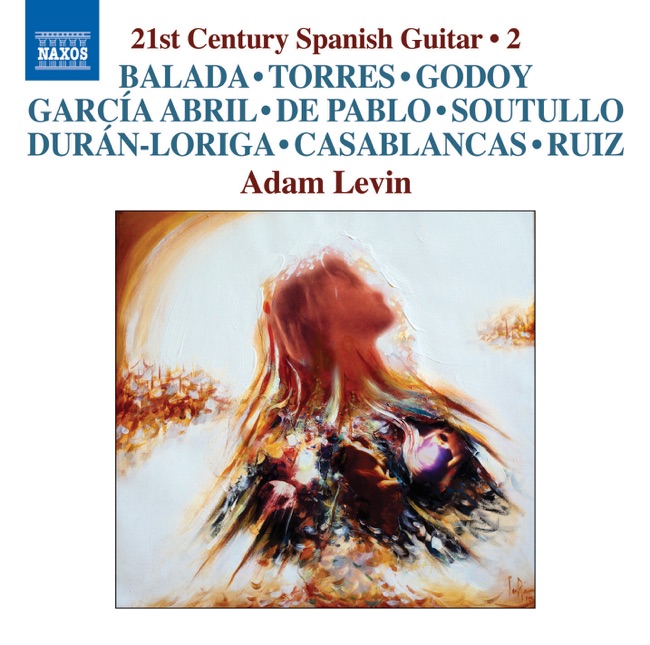 October 14, 2016
 -
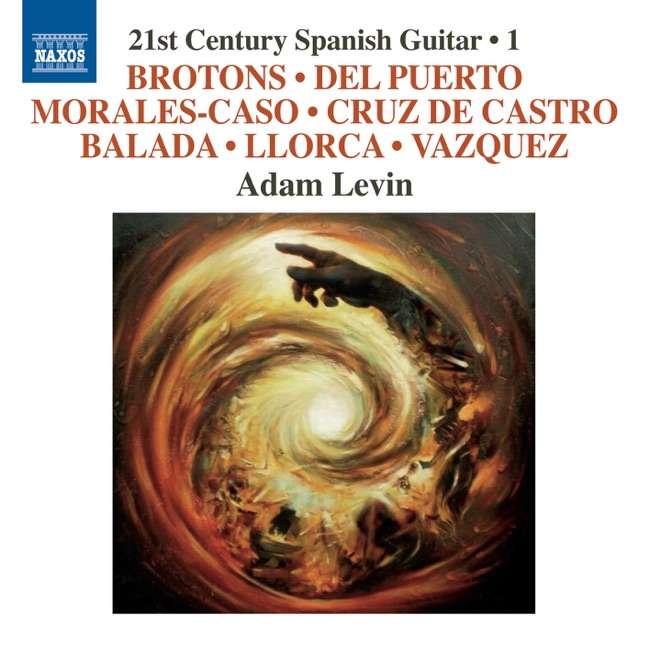 May 28, 2013
 -
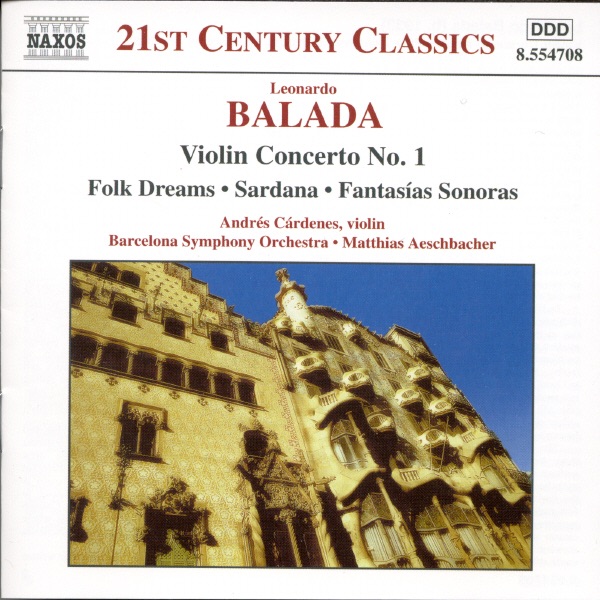 September, 2000
 -
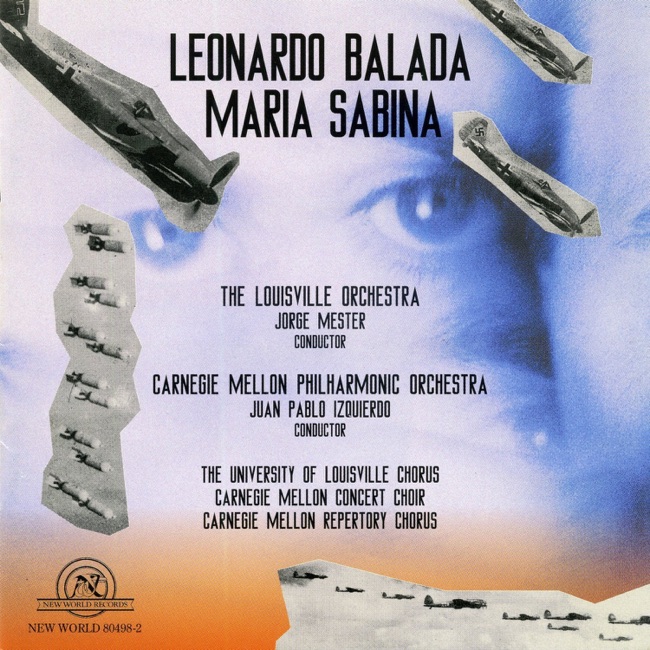 December 5, 1995
Symphony
-
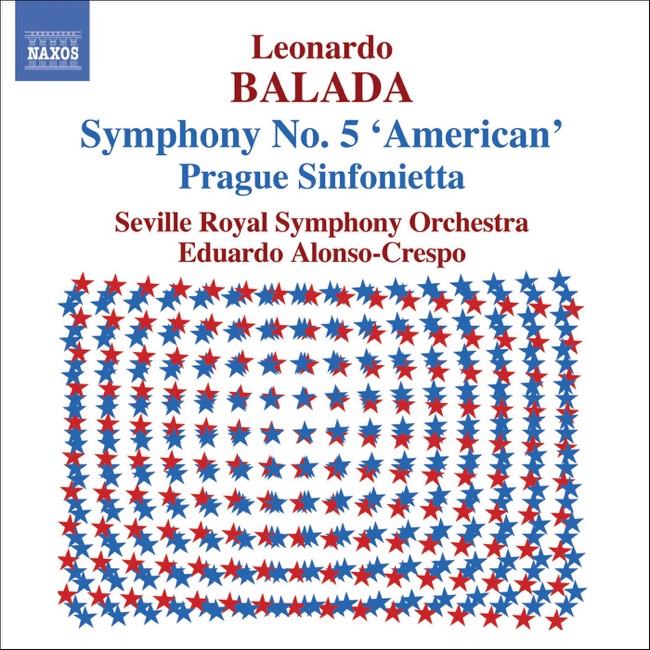 March 21, 2006
 -
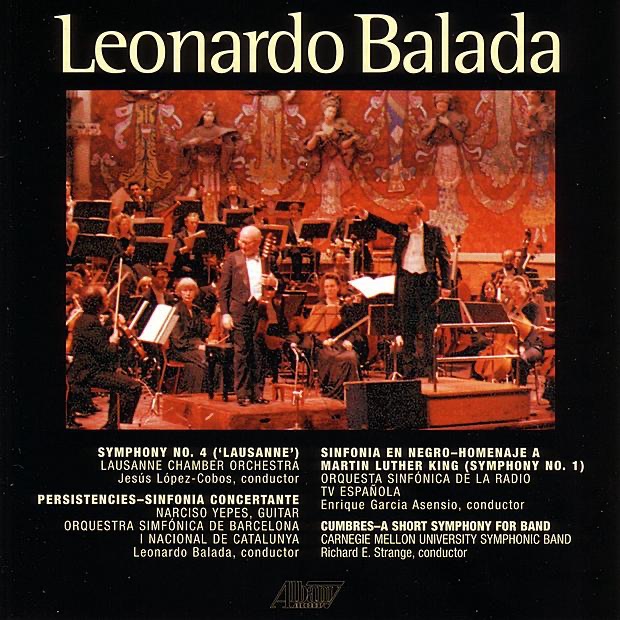 April 9, 2002
 -
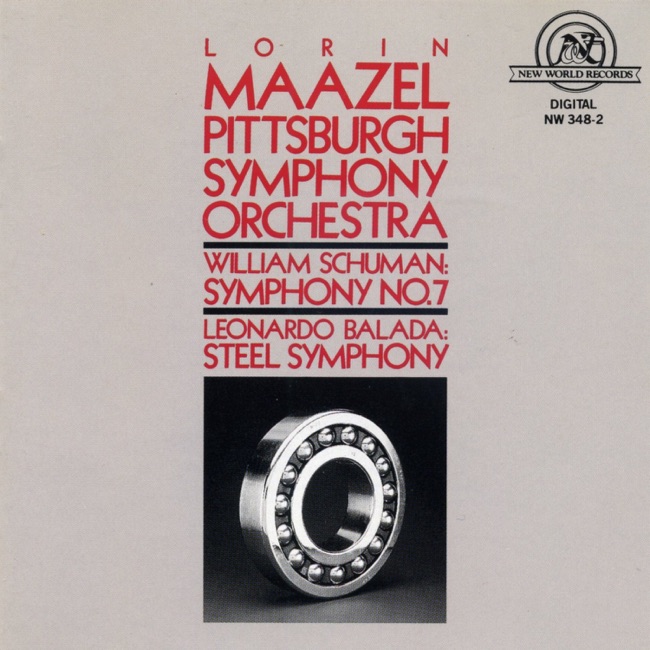 December 8, 1992
Artist Info
Role:Composer ConductorCountry: SpainBirth:September 22, 1933 in Barcelona, SpainPeriod:ContemporaryGenre:ChamberConcertoOrchestralLeonardo Balada is a Spanish-born composer who has made a significant contribution to the world of classical music. Born on September 22, 1933, in Barcelona, Balada grew up in a family of musicians. His father was a professional pianist, and his mother was a singer. Balada began his musical education at a young age, studying piano and composition at the Conservatori Superior de Música del Liceu in Barcelona. After completing his studies in Barcelona, Balada moved to Paris to continue his education at the École Normale de Musique de Paris. He studied with renowned composers such as Nadia Boulanger and Olivier Messiaen, who had a significant influence on his musical style. Balada's early works were heavily influenced by the avant-garde movement of the 1950s and 1960s, which emphasized experimentation and innovation in music. In the 1960s, Balada moved to the United States to pursue his career as a composer. He taught at Carnegie Mellon University in Pittsburgh, Pennsylvania, where he became a professor of composition. During this time, Balada began to develop his unique style, which blended elements of traditional Spanish music with contemporary techniques. One of Balada's most significant works is his Symphony No. 1, which he composed in 1966. The symphony is a powerful and emotional work that reflects Balada's interest in the Spanish Civil War. The piece is divided into three movements, each of which represents a different aspect of the war. The first movement, "The Scream," is a chaotic and dissonant depiction of the violence and destruction of the war. The second movement, "The Silence," is a mournful and introspective reflection on the human cost of the conflict. The final movement, "The Dance," is a lively and celebratory tribute to the resilience of the Spanish people. Balada's Symphony No. 1 was well-received by critics and established him as a significant figure in contemporary classical music. He went on to compose several other symphonies, including Symphony No. 2, which was commissioned by the Pittsburgh Symphony Orchestra in 1970. The piece is a complex and challenging work that showcases Balada's mastery of orchestration and his ability to create powerful emotional effects through music. In addition to his symphonies, Balada has composed numerous other works, including chamber music, vocal music, and operas. One of his most famous works is his opera "Zapata," which premiered in 1984. The opera tells the story of Emiliano Zapata, a Mexican revolutionary who fought for land reform in the early 20th century. The piece is a powerful and emotional work that explores themes of justice, oppression, and the struggle for freedom. Balada's music is characterized by its emotional intensity, its use of traditional Spanish music, and its incorporation of contemporary techniques. His works often explore themes of social justice, political oppression, and the human condition. Balada has been recognized for his contributions to classical music with numerous awards and honors, including the National Prize for Music in Spain and the Guggenheim Fellowship. In conclusion, Leonardo Balada is a significant figure in contemporary classical music. His unique style, which blends traditional Spanish music with contemporary techniques, has made a lasting impact on the world of music.More....
Recent Artist Music
1
19:49
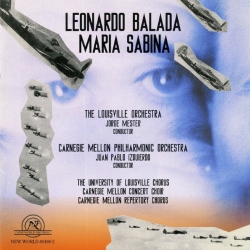
3
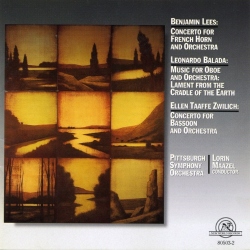
20:45
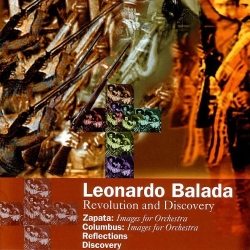
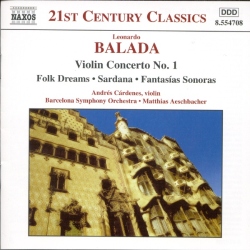
7
6:37
9
13:9
Recommend Playlist



Copyright Ⓒ 2013 Davinci Finger. All rights reseved
Service Terms & Policy