Leonardo Balada
Symphony No. 2 "Cumbres - A Short Symphony for Band"
Released Album
Recent Album
Featured Album
Works Info
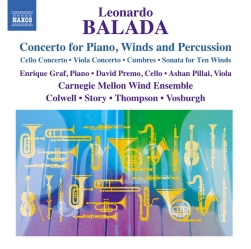
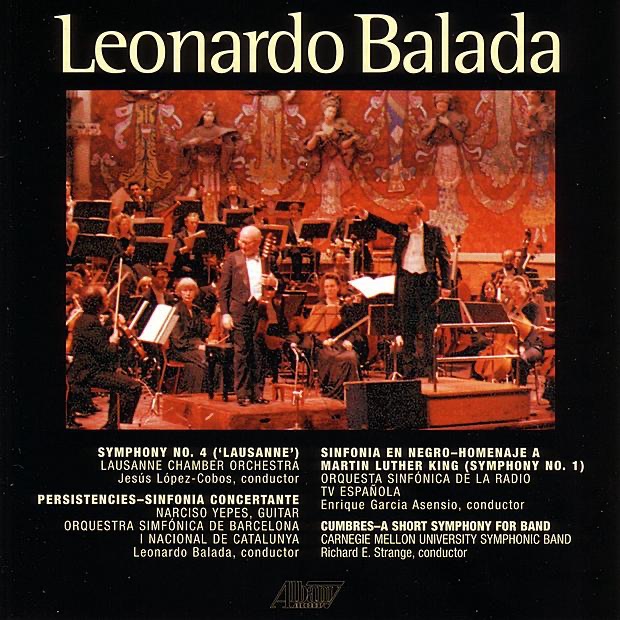
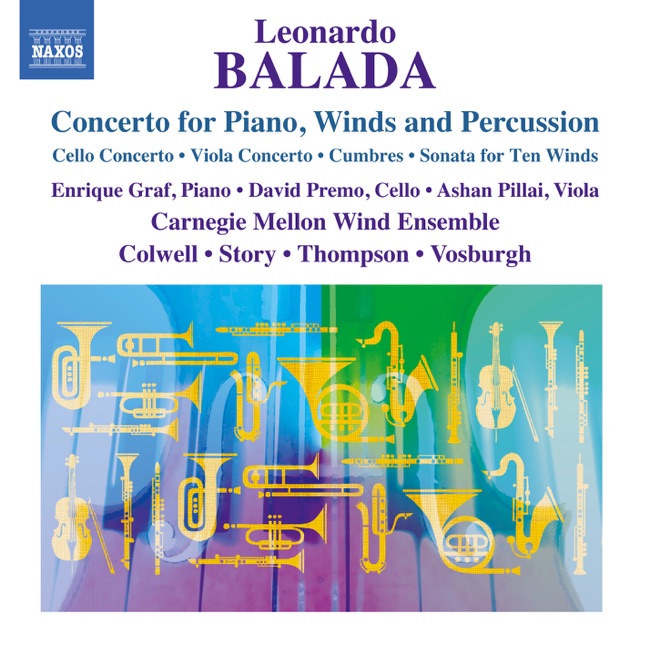
Composer:Leonardo BaladaGenre:BandStyle:Band MusicCompose Date:1971Average_duration:13:09Symphony No. 2 Cumbres - A Short Symphony for Band is a band music composition by the Spanish composer Leonardo Balada. The symphony was composed in 1984 and premiered on March 1, 1985, by the University of Miami Wind Ensemble, conducted by Gary Green. The symphony consists of three movements and has a duration of approximately 12 minutes. The first movement, titled "Cumbres," is marked "Allegro con brio" and is characterized by its energetic and rhythmic drive. The movement opens with a fanfare-like motif in the brass section, which is then taken up by the entire ensemble. The music builds in intensity, with the percussion section driving the rhythm forward. The movement features a number of contrasting sections, including a lyrical melody in the woodwinds and a more subdued section featuring the low brass. The second movement, titled "Lento," is marked "Molto espressivo" and is characterized by its mournful and introspective mood. The movement opens with a solo trumpet playing a haunting melody, which is then taken up by the rest of the ensemble. The music is characterized by long, sustained notes and a sense of longing. The movement builds to a climax before subsiding into a quiet, reflective coda. The third and final movement, titled "Ritmo," is marked "Allegro molto" and is characterized by its driving, rhythmic energy. The movement opens with a syncopated rhythm in the percussion section, which is then taken up by the rest of the ensemble. The music is characterized by its use of syncopation and irregular meters, giving it a sense of urgency and excitement. The movement builds to a frenzied climax before coming to a sudden stop. Overall, Symphony No. 2 Cumbres - A Short Symphony for Band is a dynamic and exciting work that showcases Balada's skill as a composer for wind ensemble. The symphony is characterized by its use of rhythmic drive, contrasting sections, and expressive melodies, making it a popular choice for wind ensembles around the world.More....
Works Music
Released Music
Featured Music