


Edward Cockram Purcell
Released Album
Vocal
-
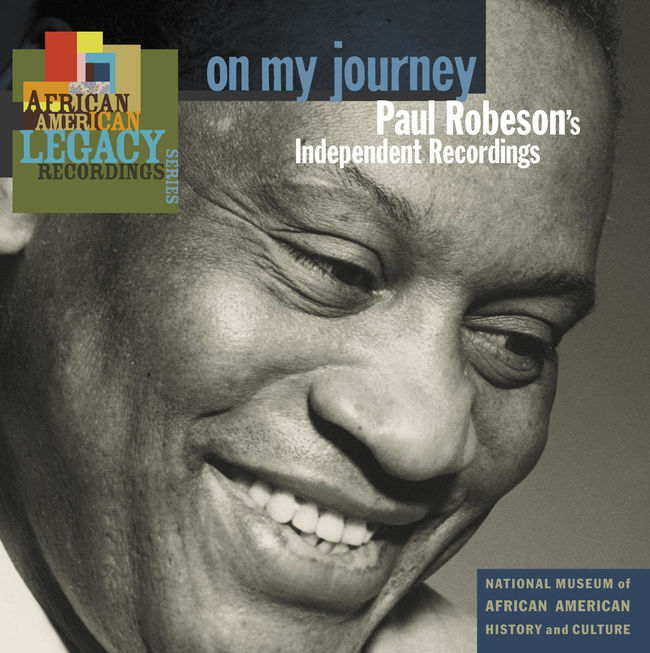 August 28, 2007
 -
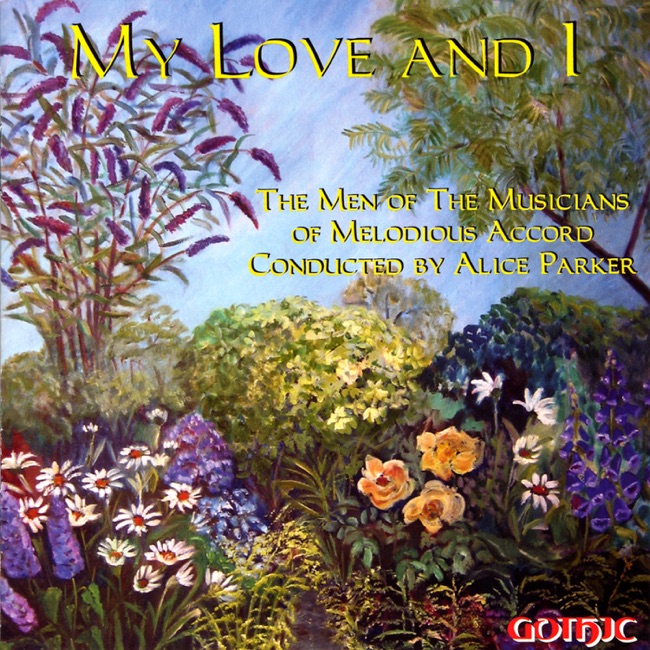 September 2, 2003
 -
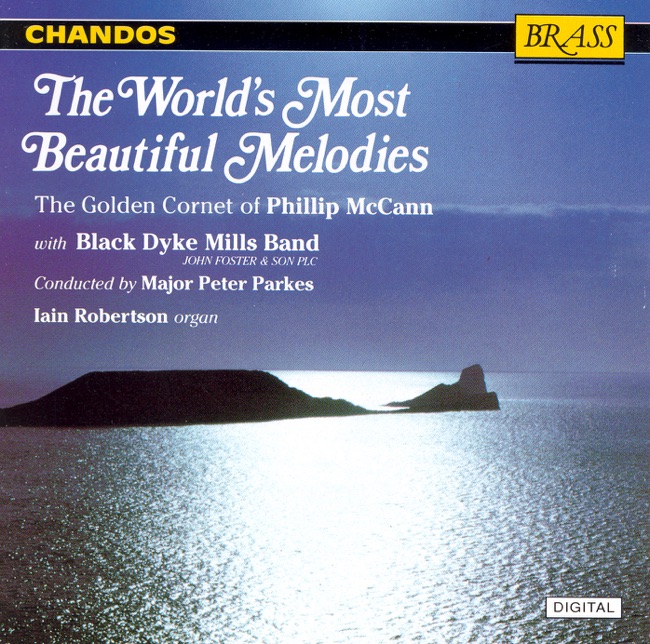 January 1, 1985
Artist Info
Role:ComposerDeath:1932Period:BaroqueGenre:VocalEdward Cockram Purcell was a British composer who lived from 1883 to 1965. He was born in London, England, to a family of musicians. His father, Henry Purcell, was a well-known organist and composer, and his mother, Mary Cockram, was a singer. Edward showed an early interest in music and began studying the piano and violin at a young age. As a child, Edward was exposed to a wide variety of music, including classical, folk, and popular music. He was particularly drawn to the works of Johann Sebastian Bach and Ludwig van Beethoven, and he spent many hours studying their compositions. He also developed a love for English folk music, which would later influence his own compositions. Edward attended the Royal College of Music in London, where he studied composition with Charles Villiers Stanford. He also studied the piano with Tobias Matthay and the violin with Achille Rivarde. While at the Royal College of Music, Edward was awarded several prizes for his compositions, including the prestigious Mendelssohn Scholarship. After completing his studies, Edward began his career as a composer and conductor. He worked as a conductor for several orchestras, including the London Symphony Orchestra and the Royal Philharmonic Orchestra. He also composed music for a variety of mediums, including orchestral works, chamber music, choral music, and film scores. One of Edward's most famous works is his Symphony No. 1 in C minor, which was premiered in 1919. The symphony is a four-movement work that showcases Edward's skill as a composer. The first movement is a dramatic and powerful allegro, while the second movement is a lyrical and expressive adagio. The third movement is a playful scherzo, and the final movement is a triumphant allegro. Another notable work by Edward is his String Quartet No. 1 in D minor, which was composed in 1925. The quartet is a three-movement work that showcases Edward's skill as a chamber music composer. The first movement is a dramatic and intense allegro, while the second movement is a lyrical and expressive adagio. The final movement is a lively and energetic allegro. In addition to his orchestral and chamber music works, Edward also composed several choral works. One of his most famous choral works is his anthem "O God, Our Help in Ages Past," which is based on a hymn by Isaac Watts. The anthem is a powerful and moving work that has become a staple of church choirs around the world. Edward also composed several film scores, including the score for the 1946 film "Great Expectations." The score is a haunting and atmospheric work that perfectly captures the mood of the film. Edward's film scores were highly regarded by critics and helped to establish him as one of the leading composers of his time. Throughout his career, Edward remained dedicated to his craft and continued to compose music until his death in 1965. His works continue to be performed and recorded today, and he is remembered as one of the most important composers of the 20th century.More....
Recent Artist Music

Copyright Ⓒ 2013 Davinci Finger. All rights reseved
Service Terms & Policy