


Carla Bley
Released Album
Keyboard
-
 February 10, 2009
Chamber
-
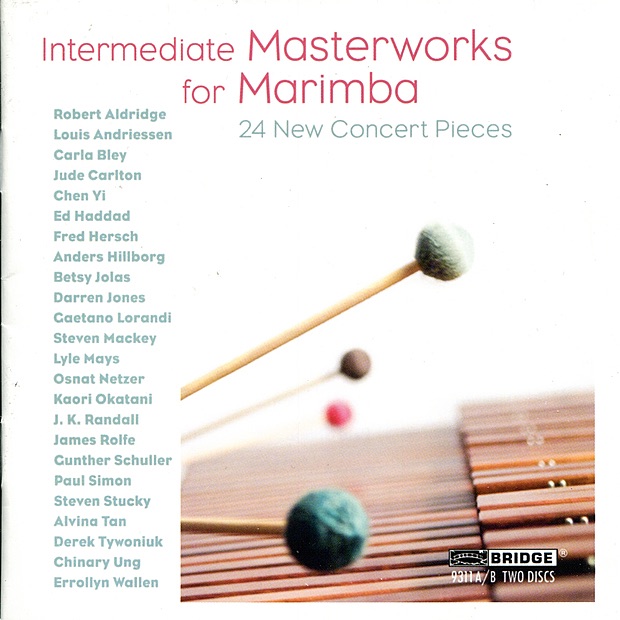 November 10, 2009
Artist Info
Role:Composer ConductorCountry: United States of AmericaBirth:May 11, 1936 in Oakland, CAGenre:ChamberCarla Bley is a renowned American composer, pianist, and bandleader who has made significant contributions to the world of jazz and contemporary classical music. Born on May 11, 1936, in Oakland, California, Bley grew up in a musical family and started playing the piano at a young age. Her father was a church musician, and her mother was a singer, which exposed her to a wide range of musical styles and genres. Bley's early musical education was primarily focused on classical music, and she studied at the New England Conservatory of Music in Boston. However, she soon became interested in jazz and began playing in local clubs and jam sessions. In the late 1950s, Bley moved to New York City, where she quickly became involved in the city's vibrant jazz scene. In the early 1960s, Bley began working with saxophonist and composer Paul Bley, whom she later married. Together, they formed the Jazz Composers Guild, a collective of musicians dedicated to promoting and performing new jazz compositions. Bley's early compositions were heavily influenced by the avant-garde jazz movement of the time, and she experimented with unconventional forms and structures. One of Bley's most significant early works is the album "Escalator Over the Hill," which she co-wrote with poet Paul Haines. The album, which was released in 1971, is a sprawling, three-hour-long epic that combines jazz, rock, and classical music with spoken word and theatrical elements. The album features an all-star cast of musicians, including Jack Bruce, Don Cherry, and Gato Barbieri, and is widely regarded as a landmark in the history of jazz and experimental music. Throughout the 1970s and 1980s, Bley continued to compose and perform with her own groups and with other musicians. She formed the Carla Bley Band in 1977, which featured a rotating cast of musicians and became known for its eclectic and adventurous sound. Bley's compositions during this period were often characterized by their humor, wit, and irreverence, as well as their complex arrangements and unconventional instrumentation. One of Bley's most famous compositions from this period is "The National Anthem," which was first recorded by the Carla Bley Band in 1979. The piece is a satirical take on the American national anthem, featuring a dissonant, atonal melody and lyrics that poke fun at American culture and politics. The piece has become a staple of Bley's live performances and is often cited as an example of her unique and idiosyncratic style. In the 1990s and 2000s, Bley continued to compose and perform, collaborating with a wide range of musicians and ensembles. She also began to focus more on writing for large ensembles, including orchestras and big bands. One of her most notable works from this period is the album "Big Band Theory," which was released in 1993 and features Bley's compositions performed by a 17-piece big band. Bley's later works have been characterized by their more traditional jazz and classical influences, as well as their focus on melody and harmony. However, her unique voice and sense of humor continue to shine through in her compositions, and she remains one of the most respected and influential composers in the world of jazz and contemporary classical music. In addition to her work as a composer and bandleader, Bley has also been a mentor and inspiration to many younger musicians.More....
Recent Artist Music

Related Artists
Copyright Ⓒ 2013 Davinci Finger. All rights reseved
Service Terms & Policy