


Noam Sheriff
Released Album
Choral
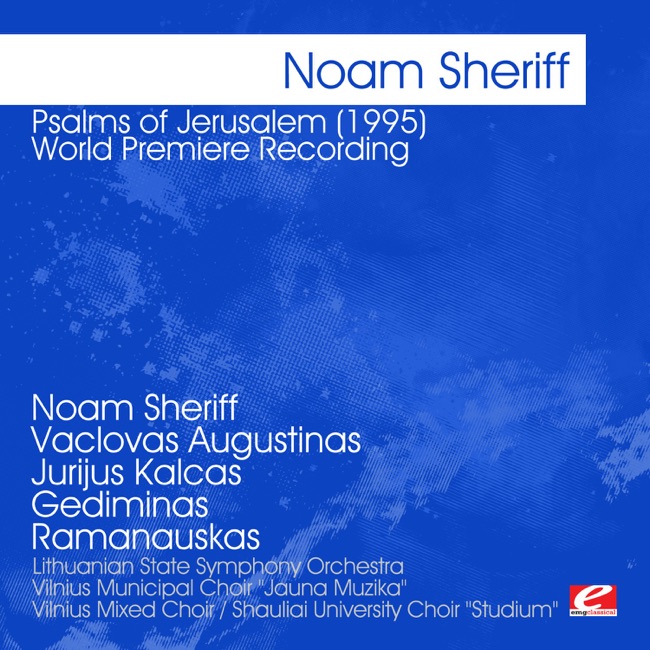
Orchestral
-
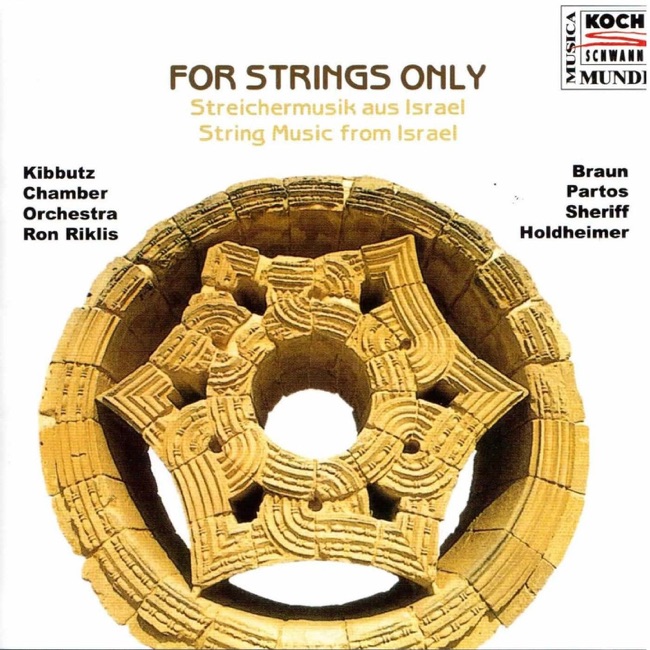 February 27, 2001
Miscellaneous
-
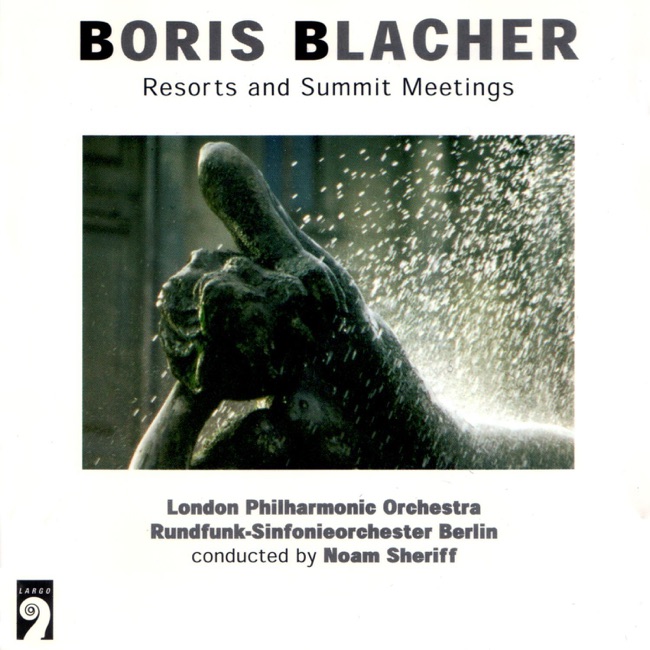 May 18, 1999
Concerto
-
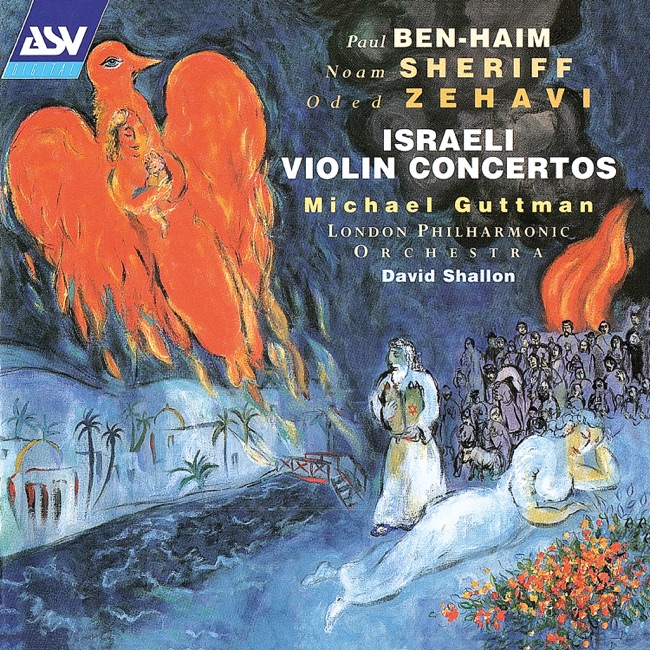 June, 1998
Artist Info
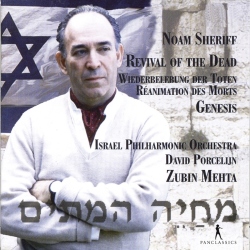
Role:Composer Conductor PerformerBirth:January 7, 1935Period:ContemporaryModernGenre:ChamberChoralConcertoOrchestralSymphonyNoam Sheriff is a renowned Israeli composer of classical music, born on April 7, 1935, in Tel Aviv, Israel. He is known for his unique style of composition, which blends traditional Jewish music with contemporary classical music. Sheriff's works have been performed by leading orchestras and ensembles around the world, and he has received numerous awards and honors for his contributions to the field of classical music. Sheriff grew up in a musical family, with his father being a cantor and his mother a pianist. He began studying music at a young age, and by the time he was a teenager, he was already composing his own music. After completing his military service in the Israeli army, Sheriff studied composition at the Rubin Academy of Music in Jerusalem, where he was mentored by the renowned composer Paul Ben-Haim. In the early years of his career, Sheriff worked as a composer and arranger for Israeli radio and television, as well as for the Israeli army's entertainment troupe. He also served as the musical director of the Israeli Chamber Orchestra and the Israel Philharmonic Orchestra. During this time, Sheriff began to develop his unique style of composition, which drew on his Jewish heritage and incorporated elements of traditional Jewish music into his works. One of Sheriff's early works, "Kaddish," was written in memory of his father, who had passed away. The piece is a setting of the Jewish prayer for the dead, and it features a solo cello accompanied by a string orchestra. "Kaddish" was well-received by audiences and critics alike, and it helped to establish Sheriff as a composer of note in Israel. In the 1970s, Sheriff began to gain international recognition for his work. His opera "The Dybbuk," based on the play by S. Ansky, premiered at the Israel Festival in 1974 and was later performed at the Edinburgh Festival and the Royal Opera House in London. The opera tells the story of a young bride possessed by the spirit of her dead lover and features a blend of Jewish and Western musical styles. Another notable work from this period is Sheriff's "Symphony No. 1," which was commissioned by the Israel Philharmonic Orchestra. The symphony is a tribute to the victims of the Holocaust and features a haunting melody based on a Jewish folk song. The work was premiered in 1976 and has since been performed by orchestras around the world. In the 1980s and 1990s, Sheriff continued to compose works that blended Jewish and Western musical traditions. One of his most famous works from this period is "Mechaye Hametim" ("Revival of the Dead"), a cantata based on the Jewish prayer for the resurrection of the dead. The work features a choir, soloists, and orchestra, and it has been performed in Israel and abroad. Sheriff's later works include "Akeda," a chamber opera based on the biblical story of Abraham and Isaac, and "Tefila," a setting of the Jewish prayer for the Sabbath. He has also composed works for solo instruments, including "Sonata for Violin and Piano" and "Sonata for Cello and Piano." Throughout his career, Sheriff has received numerous awards and honors for his contributions to classical music. He has been awarded the Israel Prize, the country's highest honor, as well as the ACUM Prize for Lifetime Achievement and the EMET Prize for Art, Science, and Culture. In addition, he has been recognized by the French government with the title of Chevalier de l'Ordre des Arts et des Lettres.More....
Recent Artist Music


Copyright Ⓒ 2013 Davinci Finger. All rights reseved
Service Terms & Policy