


José Pablo Moncayo Garcia
Released Album
Orchestral
-

-
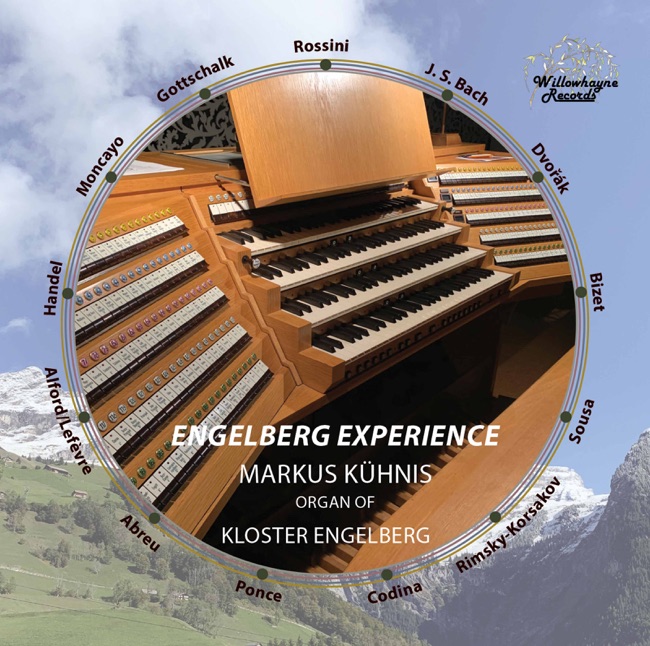 April 30, 2021
 -
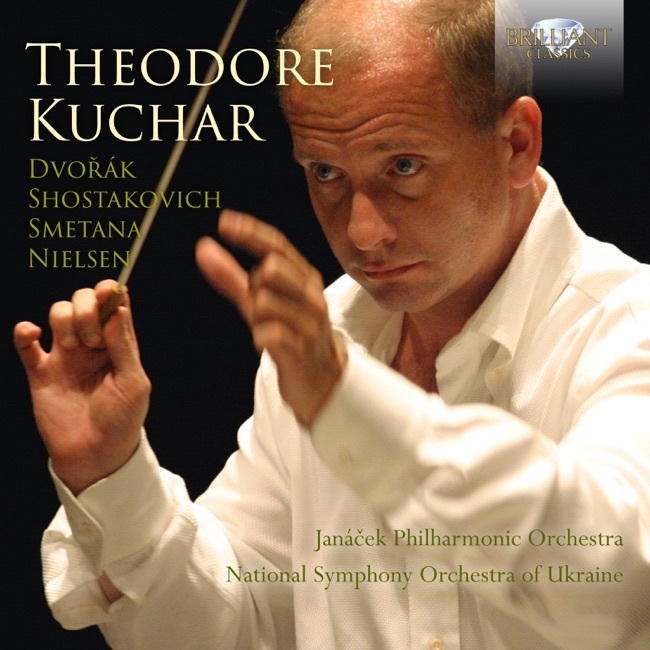 May 3, 2019
 -
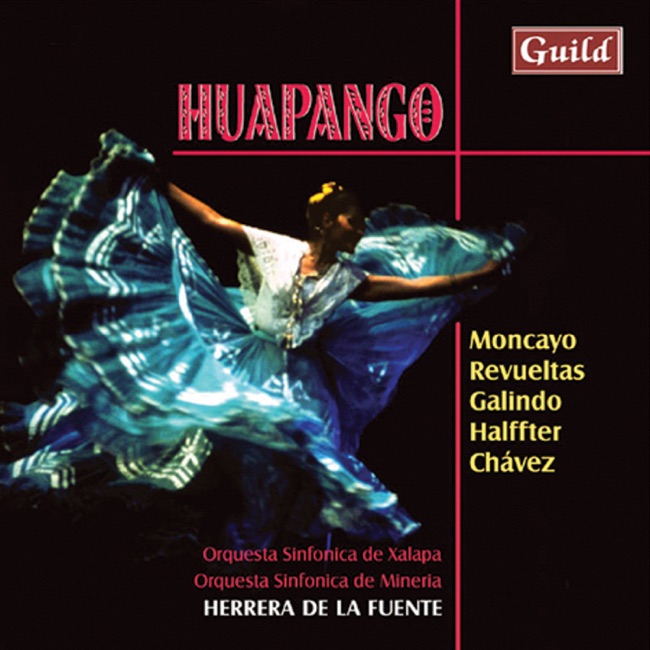 February 26, 2001
 -
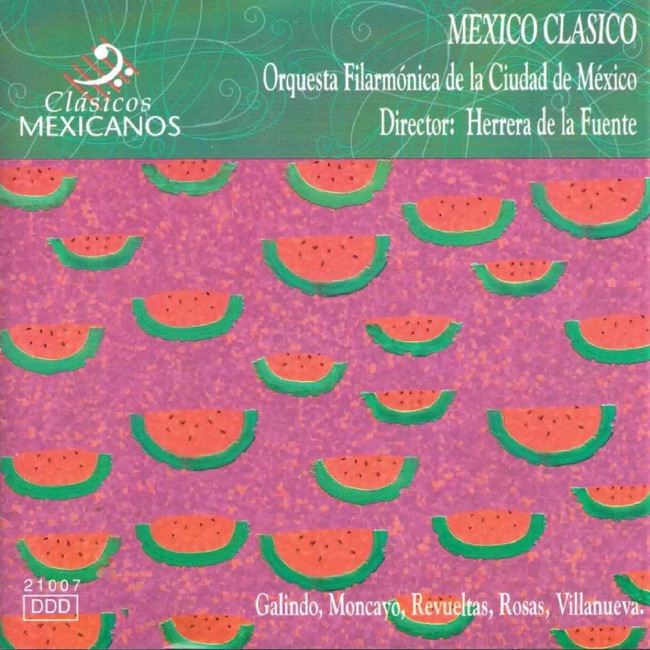 October 24, 2000
 -
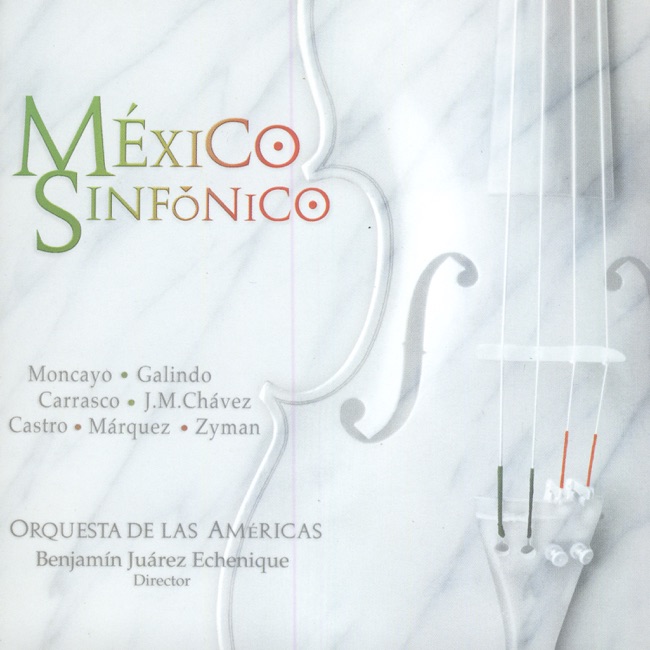 June 15, 1999
Keyboard
-
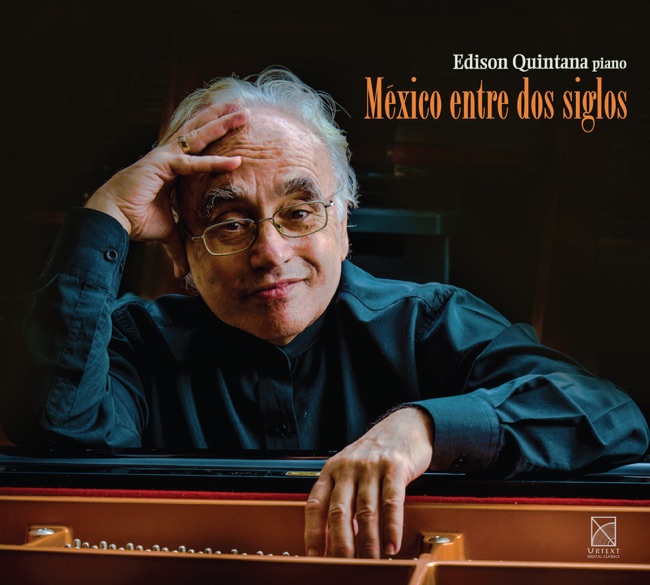 July 31, 2015
 -
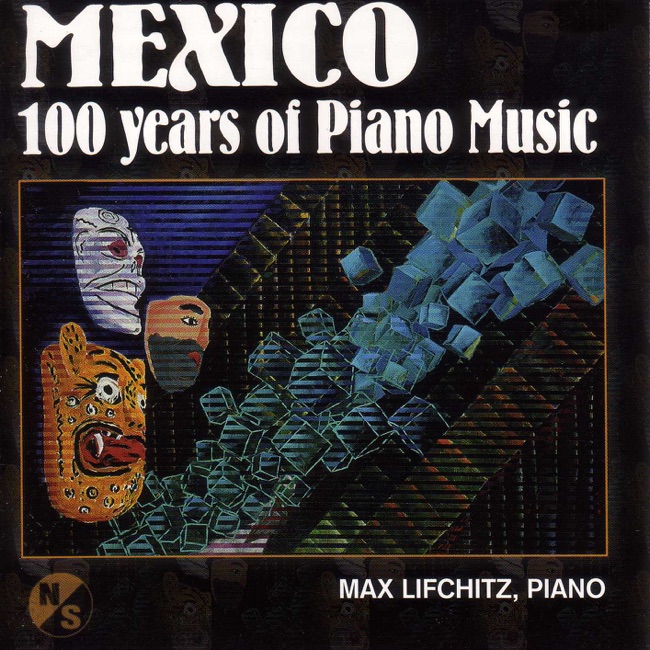 April 9, 1996
 -
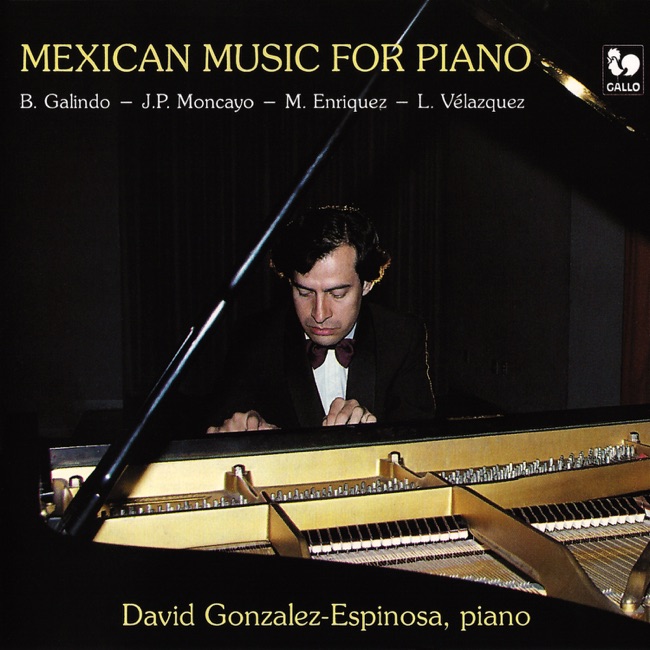 June 9, 1993
Opera
-
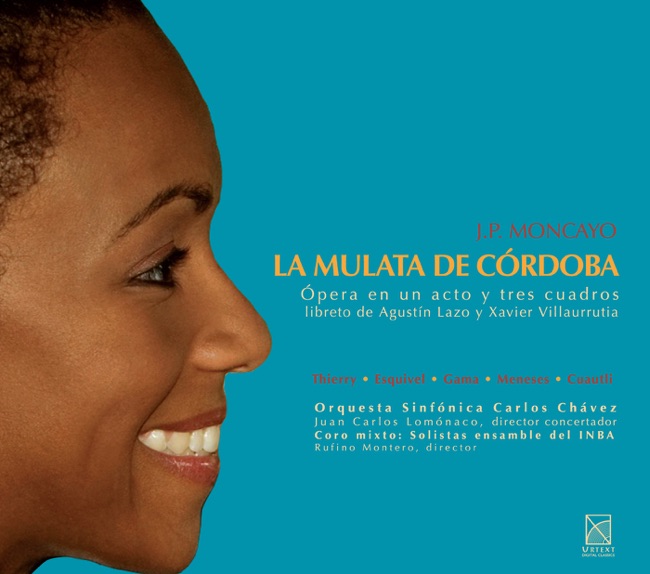 June 12, 2007
Artist Info
Role:ComposerCountry: MexicoBirth:June 29, 1912 in Guadalajara, Jalisco, MexicoDeath:June 16, 1958 in Mexico City, MexicoGenre:OrchestralJosé Pablo Moncayo García was a Mexican composer and conductor who is best known for his contributions to the development of classical music in Mexico. Born on June 29, 1912, in Guadalajara, Mexico, Moncayo grew up in a family of musicians. His father, Francisco Moncayo, was a violinist and his mother, Concepción García, was a pianist. Moncayo began his musical education at a young age, studying piano and violin with his parents. In 1928, Moncayo moved to Mexico City to continue his musical studies. He enrolled at the National Conservatory of Music, where he studied composition with Carlos Chávez, one of Mexico's most prominent composers. Chávez was a major influence on Moncayo's musical style, and the two became close friends and collaborators. Moncayo's early compositions were heavily influenced by Mexican folk music and the rhythms of the country's indigenous cultures. In 1935, he composed his first major work, "Huapango," a piece for orchestra that incorporates traditional Mexican folk melodies and rhythms. The piece was an instant success and has since become one of the most famous works in the Mexican classical music repertoire. Throughout the 1930s and 1940s, Moncayo continued to compose and conduct music in Mexico City. He was a founding member of the Mexican Symphony Orchestra and served as its conductor from 1949 to 1954. During this time, he also composed several other notable works, including "Tierra de Temporal," a symphonic poem that depicts the changing seasons in Mexico, and "Sinfonietta," a piece for orchestra that showcases Moncayo's mastery of orchestration and rhythm. In addition to his work as a composer and conductor, Moncayo was also a passionate advocate for Mexican music and culture. He was a member of the Mexican Academy of Arts and Sciences and served as the director of the National Conservatory of Music from 1954 to 1956. He also worked to promote the music of other Mexican composers, including Carlos Chávez and Silvestre Revueltas. Moncayo's most famous work, "Huapango," has been performed and recorded by orchestras around the world. The piece is a lively and colorful celebration of Mexican folk music, featuring intricate rhythms and melodies that evoke the sounds of traditional Mexican instruments like the maracas and the guitarrón. The piece has become a symbol of Mexican national identity and is often performed at national celebrations and cultural events. Moncayo's other works, while less well-known than "Huapango," are also highly regarded for their innovative use of Mexican folk music and rhythms. "Tierra de Temporal" is a lush and evocative depiction of the changing seasons in Mexico, while "Sinfonietta" is a virtuosic showcase of Moncayo's skill as an orchestrator and composer. José Pablo Moncayo García died on June 16, 1958, at the age of 45. His contributions to the development of classical music in Mexico have had a lasting impact on the country's cultural identity and musical heritage. Today, he is remembered as one of Mexico's greatest composers and a pioneer of the country's classical music tradition.More....
Copyright Ⓒ 2013 Davinci Finger. All rights reseved
Service Terms & Policy