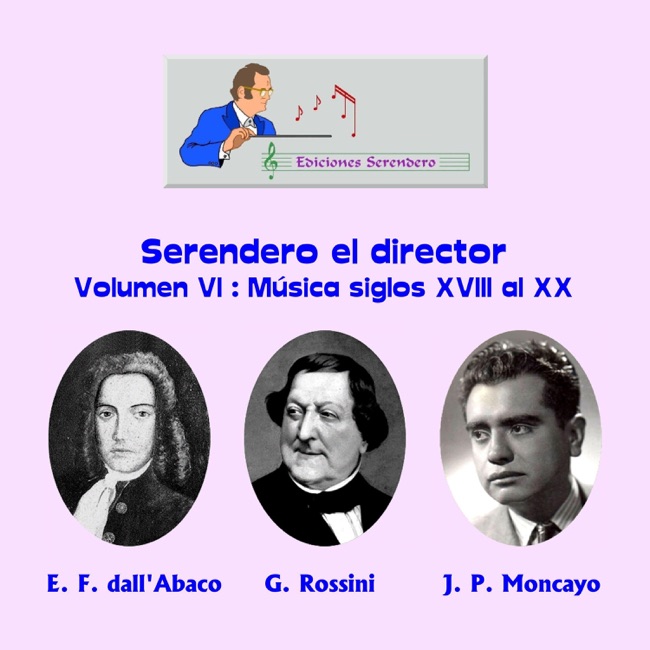
José Pablo Moncayo Garcia
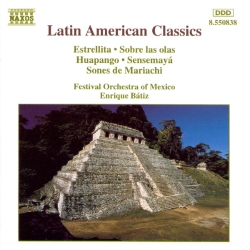
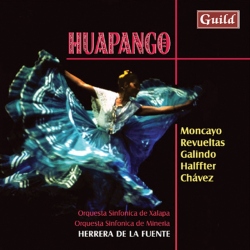
Huapango
Released Album
Recent Album
-
 Texas All-State Philharmonic OrchestraDecember 9, 2022
 -

-
-
-
-
 Florida All-State Symphonic OrchestraJune 4, 2013
 -
-
-
-

-

-
Featured Album
Works Info
Composer:José Pablo Moncayo GarciaGenre:OrchestralStyle:OrchestralCompose Date:1941Average_duration:8:13Huapango is a Mexican orchestral composition composed by José Pablo Moncayo García in 1941. It premiered on August 15, 1941, at the Palacio de Bellas Artes in Mexico City, performed by the Orquesta Sinfónica de México under the direction of Carlos Chávez. The piece is divided into three movements, each representing a different region of Mexico. The first movement, "El Siquisiri," is named after a dance from the state of Veracruz. It is characterized by its lively rhythm and use of syncopation, with the melody played by the violins and the brass section providing a strong rhythmic foundation. The second movement, "El Balajú," is named after a dance from the state of Guerrero. It is a slower, more lyrical piece, with a haunting melody played by the strings and woodwinds. The brass section provides a subtle accompaniment, adding depth and richness to the overall sound. The final movement, "El Jarabe Tapatío," is named after the national dance of Mexico. It is a fast-paced, energetic piece, with a lively melody played by the entire orchestra. The brass section once again provides a strong rhythmic foundation, while the strings and woodwinds add color and texture to the overall sound. Overall, Huapango is a vibrant and colorful representation of Mexican culture, showcasing the country's rich musical traditions and diverse regional styles. It has become one of the most popular orchestral works in Mexico, and is widely regarded as a masterpiece of Mexican classical music.More....
Works Music
Released Music
1

9:15

3
9:23
6

9:15
8
8:12

Featured Music