


Hans Bohn
Released Album
Choral
-
 October 9, 2020
 -
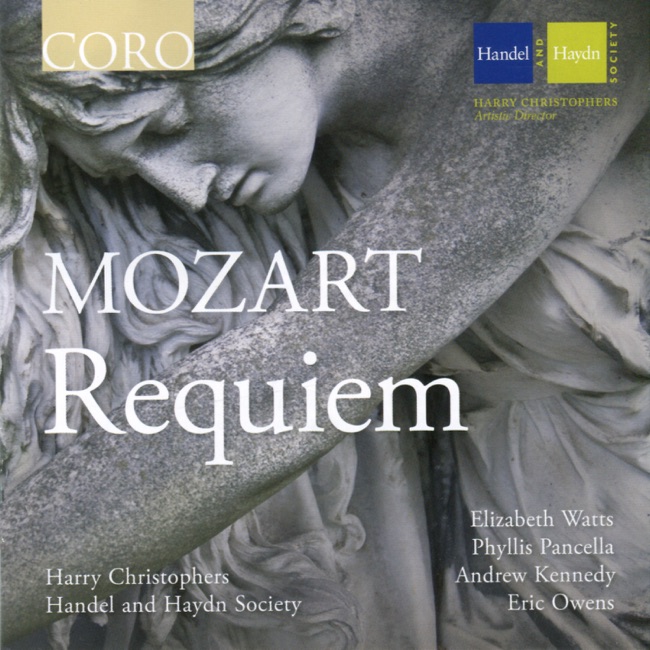 September 5, 2011
Orchestral
-
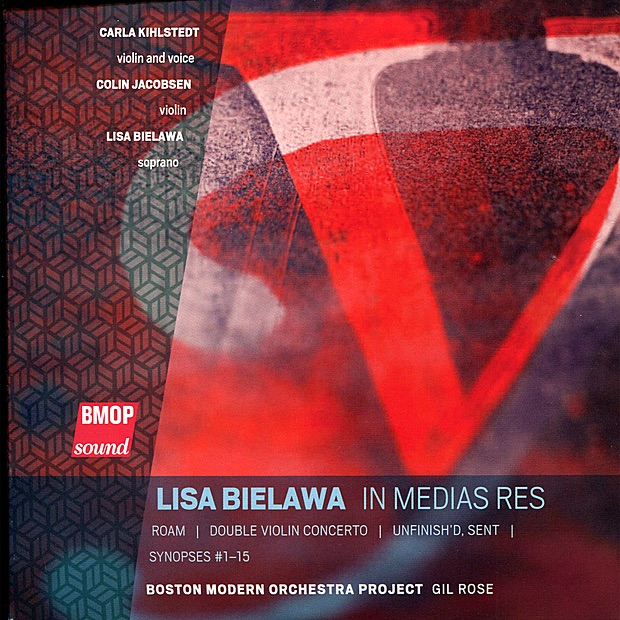 August 10, 2010
Miscellaneous
-
 October 17, 2000
Artist Info
Hans Bohn was a renowned classical music artist who made significant contributions to the world of music. He was born on January 15, 1924, in Berlin, Germany. His parents were both musicians, and they encouraged him to pursue music from a young age. Bohn showed a natural talent for music, and he began playing the piano at the age of four. Bohn's family moved to the United States in 1933, and he continued his music education there. He studied at the Juilliard School in New York City, where he received a Bachelor of Music degree in 1944. He then went on to study at the Curtis Institute of Music in Philadelphia, where he received a Master of Music degree in 1946. Bohn's career as a concert pianist began in the late 1940s. He made his debut with the New York Philharmonic in 1948, playing Beethoven's Piano Concerto No. 4. The performance was a huge success, and Bohn quickly gained a reputation as a talented and dynamic performer. Over the next few years, Bohn performed with many of the world's leading orchestras, including the Boston Symphony Orchestra, the Chicago Symphony Orchestra, and the London Symphony Orchestra. He also performed in many of the world's most prestigious concert halls, including Carnegie Hall in New York City and the Royal Albert Hall in London. One of the highlights of Bohn's career was his performance of Rachmaninoff's Piano Concerto No. 3 with the New York Philharmonic in 1951. The performance was widely praised by critics and audiences alike, and it cemented Bohn's reputation as one of the world's leading pianists. Bohn also had a successful recording career. He recorded many of the major works of the classical repertoire, including Beethoven's Piano Sonatas, Chopin's Nocturnes, and Rachmaninoff's Piano Concertos. His recordings were widely praised for their technical brilliance and emotional depth. In addition to his performing and recording career, Bohn was also a respected music educator. He taught at the Juilliard School and the Curtis Institute of Music, where he mentored many of the world's leading pianists. Bohn received many awards and honors throughout his career. In 1954, he was awarded the Avery Fisher Prize, which is one of the most prestigious awards in classical music. He was also awarded the National Medal of Arts in 1988, which is the highest honor given to artists by the United States government. Bohn continued to perform and teach until his death in 2002. He left behind a legacy of exceptional performances and recordings, as well as a generation of pianists who were inspired by his teaching and mentorship. In conclusion, Hans Bohn was a remarkable classical music artist who made significant contributions to the world of music. His natural talent, technical brilliance, and emotional depth made him one of the world's leading pianists. His performances and recordings continue to inspire and delight audiences around the world, and his legacy as a music educator lives on through the many pianists he mentored.More....
Recent Artist Music




Copyright Ⓒ 2013 Davinci Finger. All rights reseved
Service Terms & Policy