


Chinary Ung
Released Album
Chamber
-
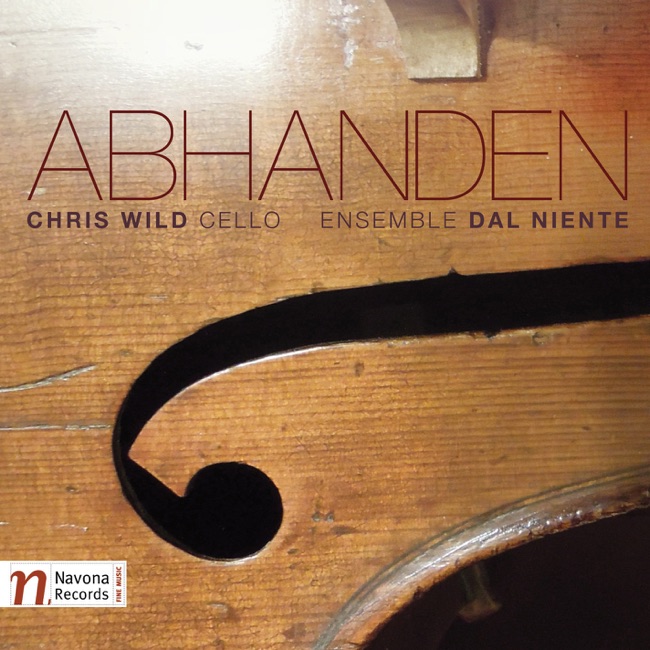 January 28, 2014
 -
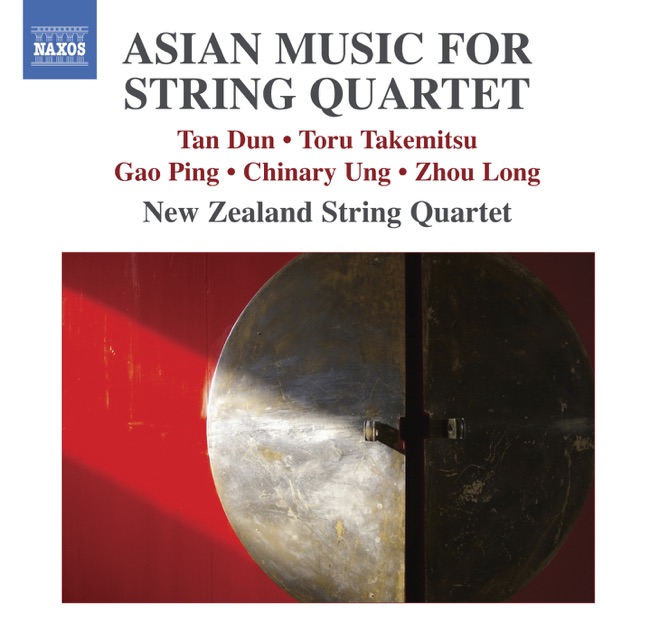 October 29, 2012
 -
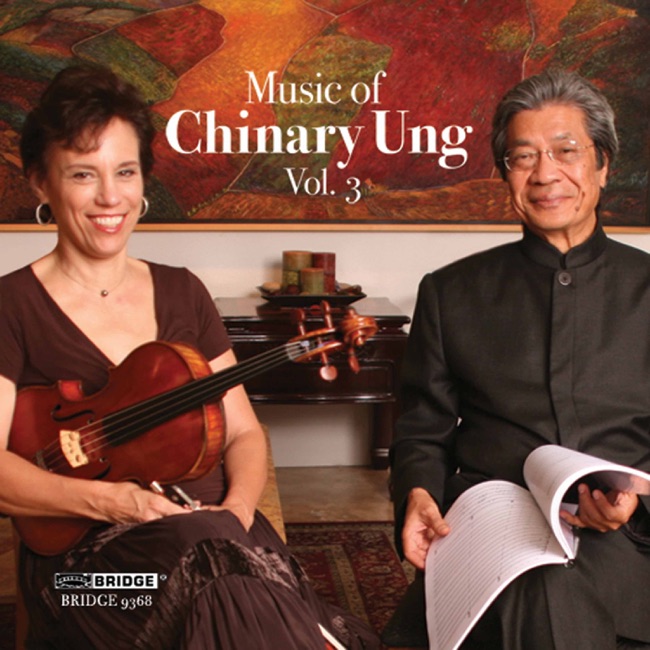 December 13, 2011
 -
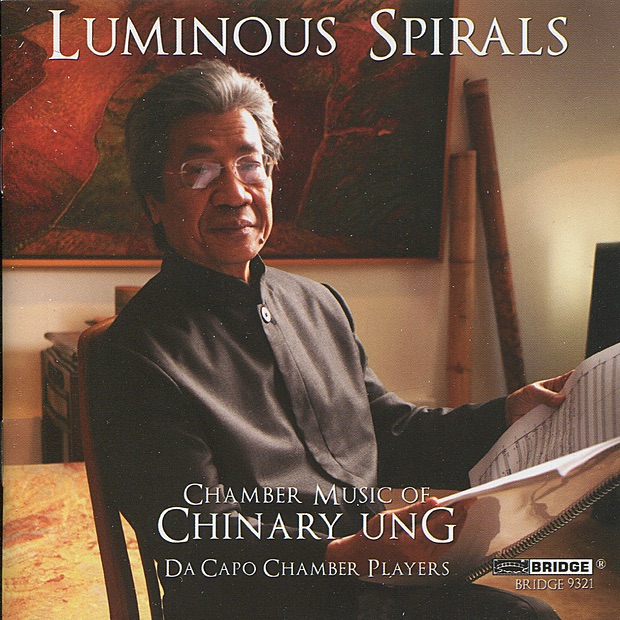 February 9, 2010
 -
 November 10, 2009
 -
Vocal
-
 November 15, 2011
 -
 May 21, 1996
Orchestral
Artist Info
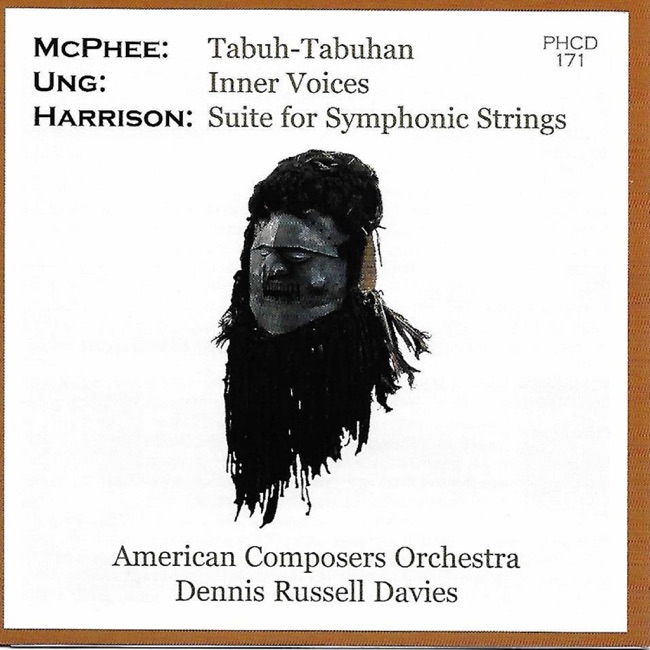
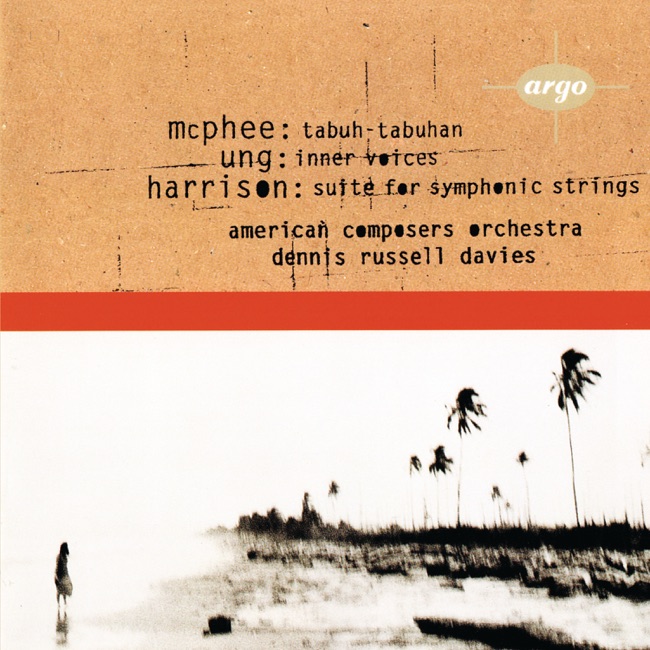
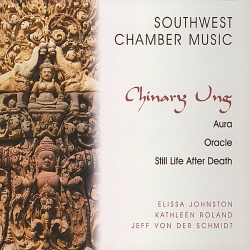
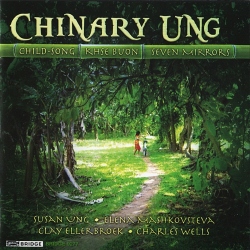
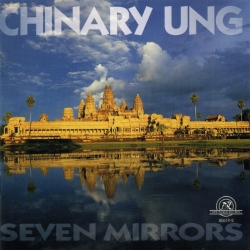
Role:ComposerCountry: CambodiaBirth:November 24, 1942 in Takeo, CambodiaPeriod:ContemporaryGenre:BandChamberChoralVocalChinary Ung is a Cambodian-American composer who has made significant contributions to the world of classical music. Born on November 24, 1942, in Takéo, Cambodia, Ung grew up in a musical family. His father was a musician and a teacher, and his mother was a singer. Ung began his musical training at a young age, learning to play the flute and the violin. He also studied traditional Cambodian music, which would later influence his compositions. In 1964, Ung received a scholarship to study music in the United States. He attended the Manhattan School of Music in New York City, where he studied composition with Mario Davidovsky and Hugo Weisgall. He also studied with Chou Wen-chung, a Chinese-American composer who had studied with Edgard Varèse. Chou Wen-chung would become a mentor to Ung and would have a significant influence on his music. Ung's early compositions were influenced by the avant-garde music of the 1960s. He experimented with new techniques and sounds, incorporating elements of Cambodian music into his works. His first major composition, Inner Voices, was premiered in 1969 and was well-received by critics. The piece featured a combination of Western and Cambodian instruments, including the flute, violin, cello, and the Cambodian xylophone. In the 1970s, Ung's music became more political. He was deeply affected by the Cambodian genocide, which claimed the lives of many of his family members and friends. His compositions during this time reflected his anger and sadness over the tragedy. One of his most famous works from this period is Spiral III, which was inspired by the Khmer Rouge's use of torture and execution. The piece features dissonant sounds and harsh rhythms, reflecting the brutality of the regime. In the 1980s, Ung's music became more introspective. He began to explore his own identity as a Cambodian-American and the cultural conflicts that came with it. His compositions during this time were more personal and emotional, reflecting his own struggles with identity. One of his most famous works from this period is Seven Mirrors, which explores the idea of self-reflection and self-discovery. In the 1990s, Ung's music became more spiritual. He began to incorporate Buddhist themes into his compositions, exploring the idea of enlightenment and transcendence. His compositions during this time were more meditative and contemplative, reflecting his own spiritual journey. One of his most famous works from this period is Aura, which features a combination of Western and Cambodian instruments and explores the idea of inner peace. Ung's music has been performed by some of the world's leading orchestras and ensembles, including the New York Philharmonic, the Boston Symphony Orchestra, and the Kronos Quartet. He has received numerous awards and honors for his work, including a Guggenheim Fellowship, a MacArthur Fellowship, and the National Medal of Arts. In addition to his work as a composer, Ung has also been a teacher and mentor to many young musicians. He has taught at the University of California, San Diego, and the University of Pennsylvania, among others. He has also been a guest lecturer and conductor at universities and music festivals around the world. Ung's contributions to the world of classical music have been significant. His unique blend of Western and Cambodian music has created a new sound that has influenced many other composers.More....
Recent Artist Music
1
20:18
8
14:18
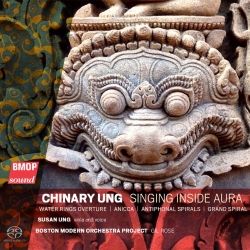
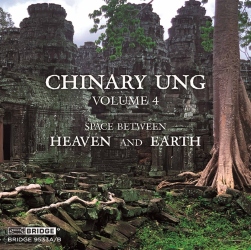
13
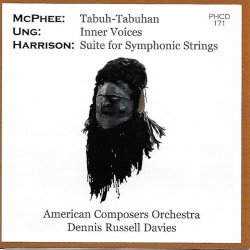
20:26
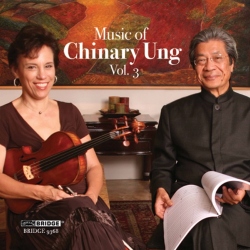
Copyright Ⓒ 2013 Davinci Finger. All rights reseved
Service Terms & Policy