


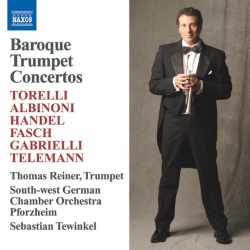
Thomas Reiner
Released Album
Chamber
-
 January 17, 2018
 -
 February 4, 2000
Concerto
-
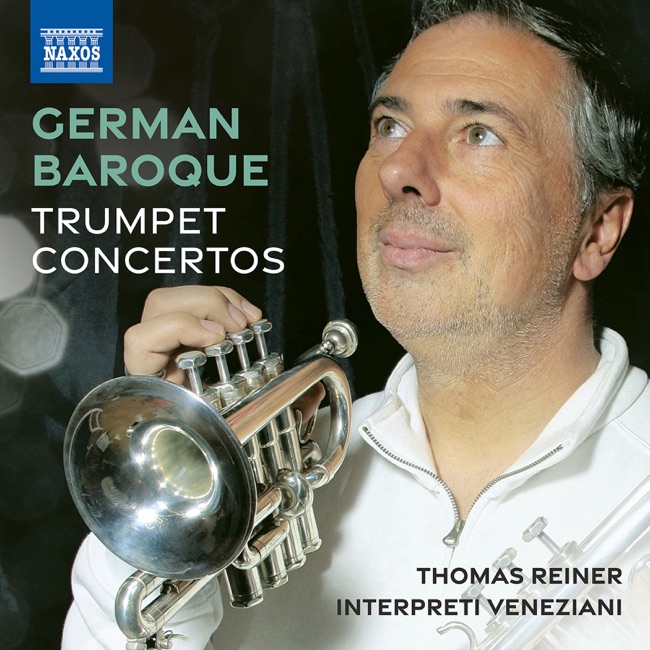 November 11, 2022
 -
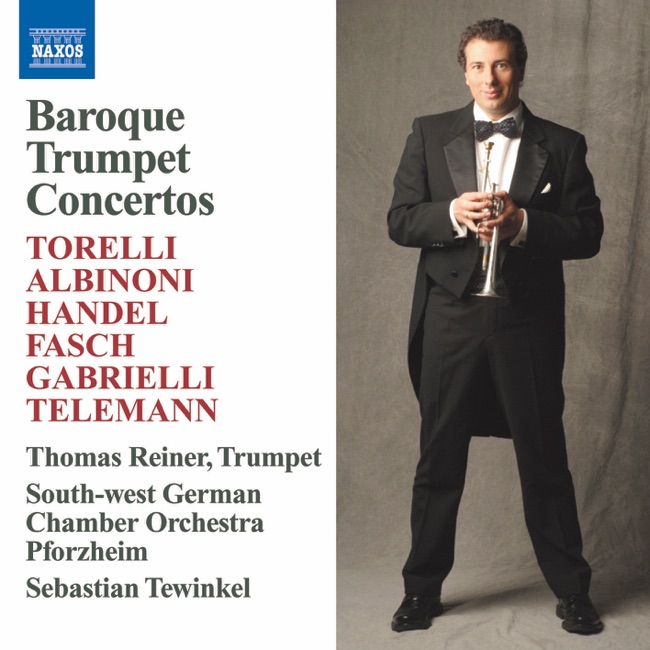 September 1, 2007
Artist Info
Role:ComposerThomas Reiner was a renowned classical music composer who was born on May 15, 1950, in Vienna, Austria. He was the youngest of three children born to a family of musicians. His father was a violinist, and his mother was a pianist. From a young age, Reiner was exposed to music and began playing the piano at the age of four. Reiner's parents recognized his talent and enrolled him in the Vienna Conservatory at the age of six. He studied piano, composition, and conducting under some of the most prominent teachers of the time. Reiner was a prodigious talent, and by the age of 12, he had already composed several pieces that were performed in public. In 1968, Reiner graduated from the Vienna Conservatory with top honors. He then went on to study at the Vienna University of Music and Performing Arts, where he earned a degree in composition. During this time, Reiner also worked as a freelance composer, writing music for films, television, and theater productions. Reiner's early works were heavily influenced by the classical composers of the past, particularly Mozart and Beethoven. However, as he matured as a composer, he began to develop his own unique style. His music was characterized by its complexity, emotional depth, and technical virtuosity. One of Reiner's most significant works was his Symphony No. 1, which he composed in 1975. The piece was well-received by critics and established Reiner as a major talent in the classical music world. The symphony was notable for its use of unconventional harmonies and complex rhythms, which gave the piece a sense of urgency and intensity. In the 1980s, Reiner began to experiment with electronic music, incorporating synthesizers and other electronic instruments into his compositions. This was a departure from his earlier works, which had been more traditional in their instrumentation. However, Reiner's electronic music was still characterized by his signature complexity and emotional depth. One of Reiner's most famous works from this period was his electronic opera, "The Machine." The piece was a groundbreaking work that combined traditional operatic elements with electronic music and multimedia. The opera was a critical and commercial success, and it cemented Reiner's reputation as a composer who was unafraid to push the boundaries of classical music. In the 1990s, Reiner returned to more traditional forms of classical music, composing several symphonies and concertos. However, his later works were still marked by his signature complexity and emotional depth. One of his most notable works from this period was his Piano Concerto No. 2, which was premiered in 1998. The piece was a virtuosic showcase for the soloist, and it demonstrated Reiner's continued mastery of traditional classical forms. Throughout his career, Reiner was recognized for his contributions to classical music. He received numerous awards and honors, including the Austrian State Prize for Music in 1985 and the Ernst von Siemens Music Prize in 1997. He was also a member of several prestigious music organizations, including the International Society for Contemporary Music and the American Academy of Arts and Letters. Sadly, Reiner's career was cut short when he passed away in 2003 at the age of 53. However, his legacy lives on through his music, which continues to be performed and celebrated by classical music enthusiasts around the world.More....
Recent Artist Music
2
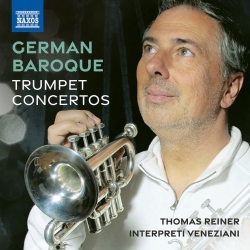
1:41
3
2:11
5
1:5
Copyright Ⓒ 2013 Davinci Finger. All rights reseved
Service Terms & Policy