


Giuseppe Torelli
Sinfonia a 4, for trumpets, violins & continuo, G. 4
Released Album
Recent Album
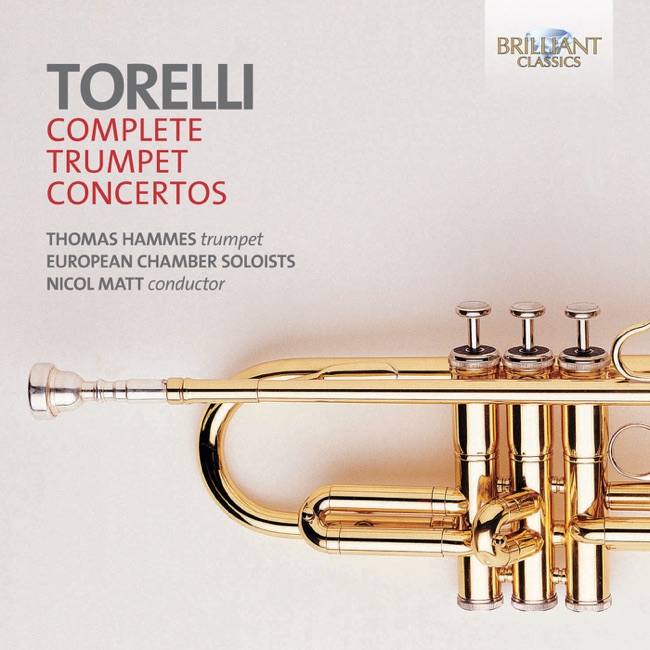
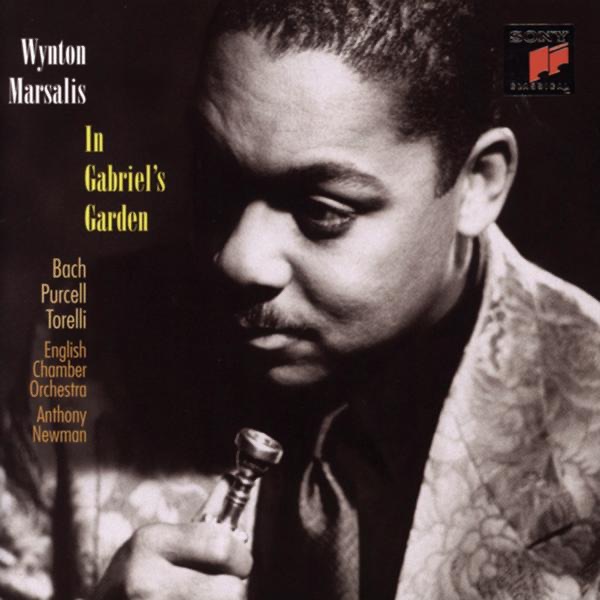
Works Info
Composer:Giuseppe TorelliGenre:ChamberStyle:SinfoniaPublication Date:1693Average_duration:3:14Movement_count:3Movement ....Giuseppe Torelli's 'Sinfonia a 4, for trumpets, violins & continuo, G. 4' is a Baroque instrumental composition that was composed in the late 17th century. The exact date of its composition is unknown, but it is believed to have been written between 1685 and 1690. The piece was first premiered in Bologna, Italy, where Torelli was a prominent musician and composer. The 'Sinfonia a 4' is a four-movement work that features two trumpets, two violins, and a continuo section. The first movement is a lively and energetic Allegro that showcases the virtuosity of the trumpet players. The second movement is a graceful and lyrical Adagio that features the violins in a beautiful duet. The third movement is a lively and dance-like Allegro that features the entire ensemble in a joyful and celebratory mood. The final movement is a majestic and grandiose Allegro that brings the piece to a triumphant close. One of the characteristics of Torelli's 'Sinfonia a 4' is its use of the trumpet as a solo instrument. Torelli was one of the first composers to feature the trumpet in a solo role, and his use of the instrument in this piece is particularly impressive. The trumpet parts are virtuosic and demanding, requiring a high level of technical skill and precision from the performers. Another characteristic of the piece is its use of the continuo section. The continuo, which typically consists of a harpsichord or organ and a bass instrument such as a cello or bassoon, provides a harmonic foundation for the ensemble. In Torelli's 'Sinfonia a 4', the continuo section is particularly important in providing a rhythmic and harmonic framework for the trumpets and violins. Overall, Torelli's 'Sinfonia a 4' is a beautiful and impressive example of Baroque instrumental music. Its use of the trumpet as a solo instrument and the continuo section as a harmonic foundation make it a significant work in the development of Baroque music.More....
Works Music
Released Music
2
1:
3
1:
4
1:5
5
1:
6
1:5