


Nicolai Berezowsky
Released Album
Opera
-
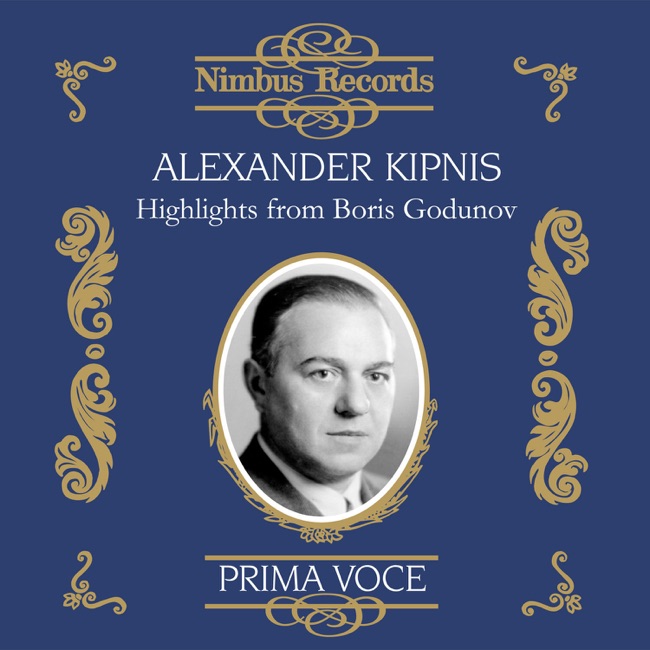 July 8, 2008
 -
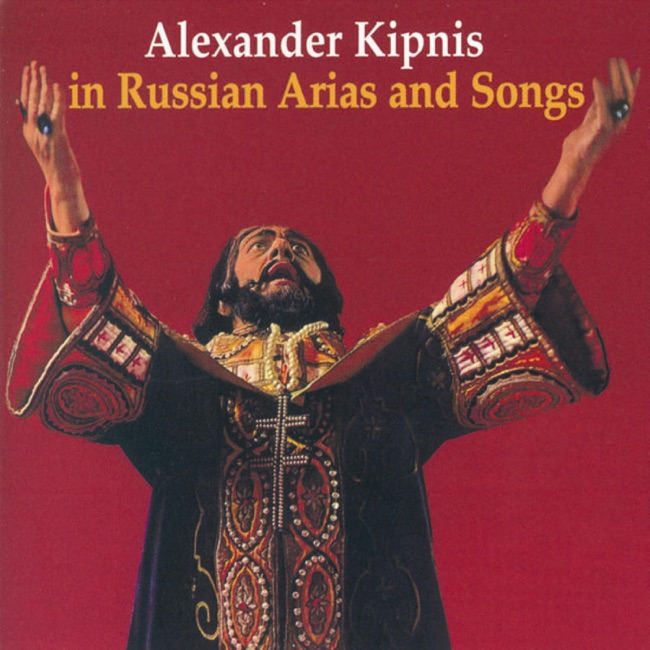 July 31, 2001
Artist Info
Role:Composer ConductorCountry: United States of AmericaBirth:May 17, 1900 in St. Petersburg, RussiaDeath:August 27, 1953 in New York, NYPeriod:RomanticModernGenre:KeyboardOperaVocalNicolai Berezowsky was a Russian-born composer and conductor who made significant contributions to the world of classical music during the 20th century. Born on January 26, 1900, in Kiev, Ukraine, Berezowsky was the son of a prominent conductor and composer, Alexander Berezowsky. From a young age, Nicolai showed a keen interest in music and began studying the piano and violin under his father's tutelage. Berezowsky's musical education continued at the Kiev Conservatory, where he studied composition with Reinhold Glière and conducting with Nikolai Malko. After completing his studies, Berezowsky began his career as a conductor, leading orchestras in Kiev, Moscow, and Leningrad. He quickly gained a reputation as a skilled and innovative conductor, known for his ability to bring out the best in his musicians and create powerful, emotionally charged performances. In addition to his work as a conductor, Berezowsky was also a prolific composer, creating a wide range of works for orchestra, chamber ensembles, and solo instruments. His compositions were heavily influenced by the Russian classical tradition, but also incorporated elements of modernism and avant-garde techniques. One of Berezowsky's most famous works is his Symphony No. 1, which was premiered in 1927 by the Leningrad Philharmonic Orchestra. The symphony is a powerful and emotionally charged work, featuring lush orchestration and complex harmonies. It was well-received by audiences and critics alike, and helped establish Berezowsky as one of the leading composers of his generation. Another notable work by Berezowsky is his Piano Concerto No. 1, which was premiered in 1933 by the Moscow Philharmonic Orchestra. The concerto is a virtuosic showcase for the soloist, featuring intricate and challenging piano passages set against a lush orchestral backdrop. It remains a popular work in the piano repertoire to this day. Throughout his career, Berezowsky continued to push the boundaries of classical music, experimenting with new forms and techniques. He was particularly interested in the use of electronic instruments and was one of the first composers to incorporate them into his works. His interest in electronic music led him to collaborate with the Russian inventor Leon Theremin, who created a new instrument called the thereminvox. Berezowsky composed several works for the thereminvox, including his Concerto for Thereminvox and Orchestra, which was premiered in 1940. Berezowsky's career was interrupted by the outbreak of World War II, during which he served in the Soviet Army. After the war, he returned to his work as a composer and conductor, but found himself increasingly at odds with the Soviet government's strict control over the arts. In 1948, Berezowsky was accused of "formalism" and his works were banned from performance in the Soviet Union. Despite this setback, Berezowsky continued to compose and conduct, and his works were performed in other countries around the world. He eventually emigrated to the United States in 1950, where he continued to work as a composer and conductor. He taught at several universities, including the University of Southern California and the University of Miami, and was a frequent guest conductor with orchestras throughout the United States and Europe. Berezowsky's later works continued to explore new forms and techniques, including serialism and aleatoric music.More....
Copyright Ⓒ 2013 Davinci Finger. All rights reseved
Service Terms & Policy