


Pascal Dusapin
Released Album
Choral
-
 November 24, 2017
 -
 April 27, 2015
 -
 December 8, 2009
 -
 January 2, 2007
 -
 October 10, 2000
 -
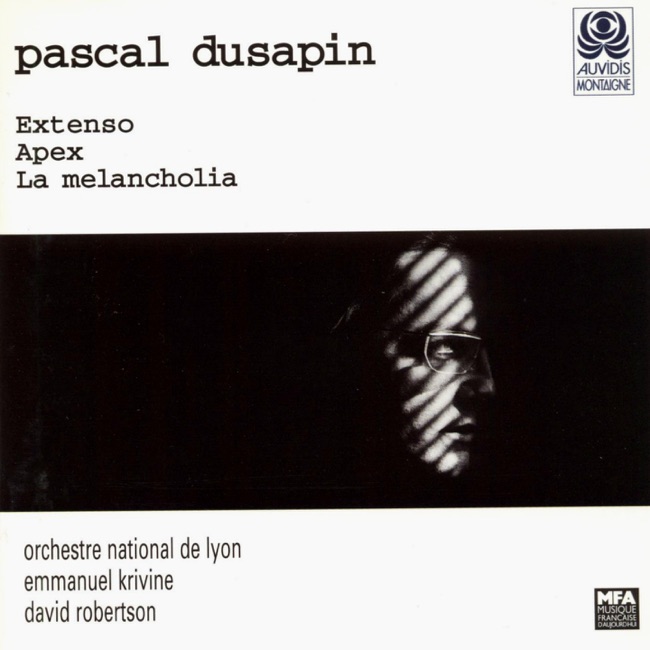 February 1, 1998
Chamber
-
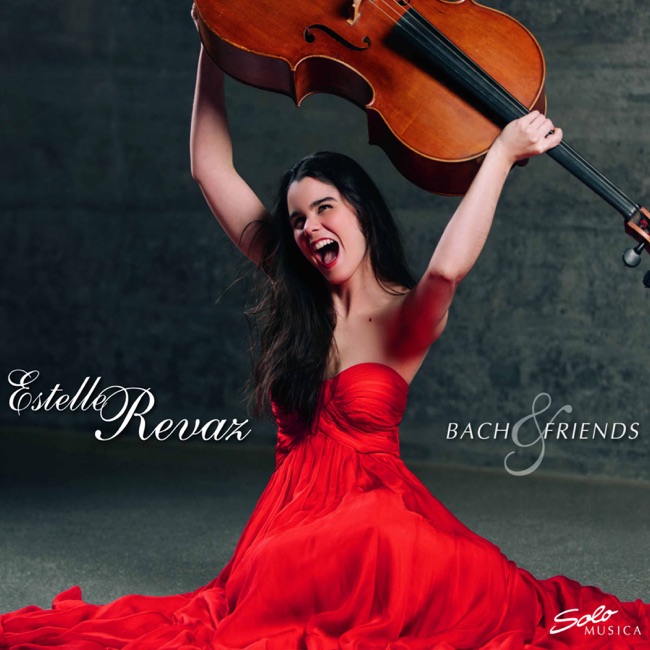 April 7, 2017
 -
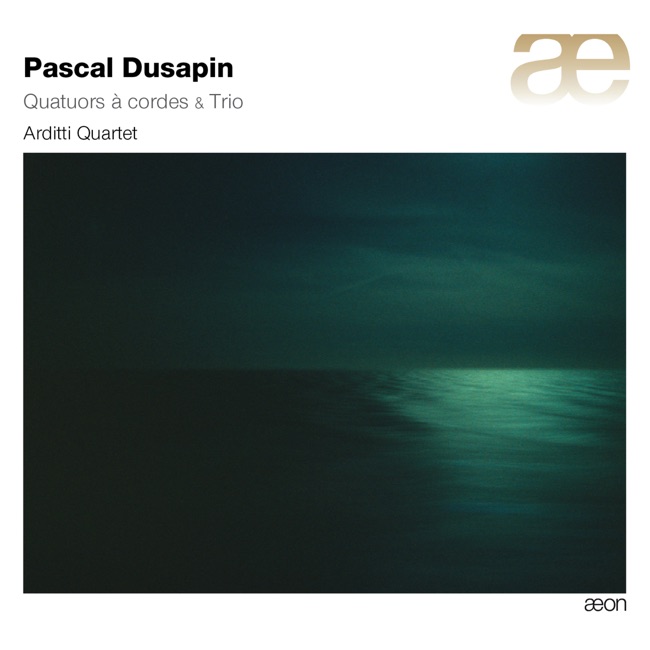 April 13, 2010
 -
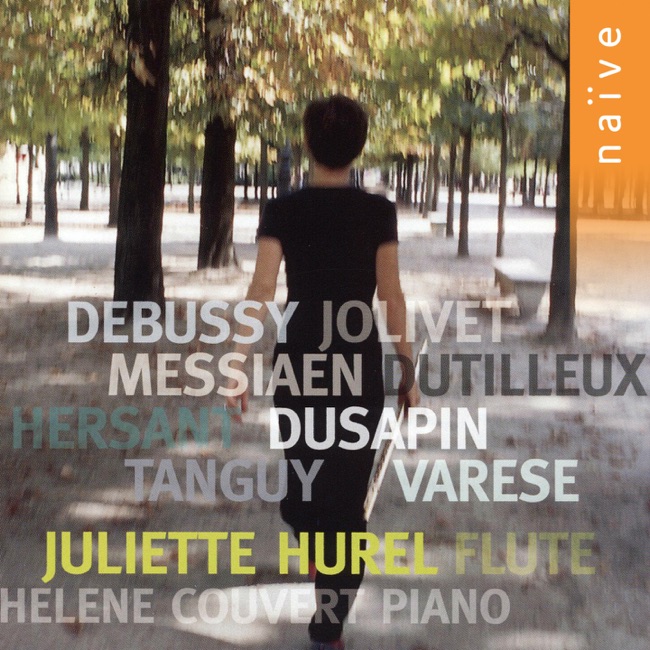 April 15, 2002
 -
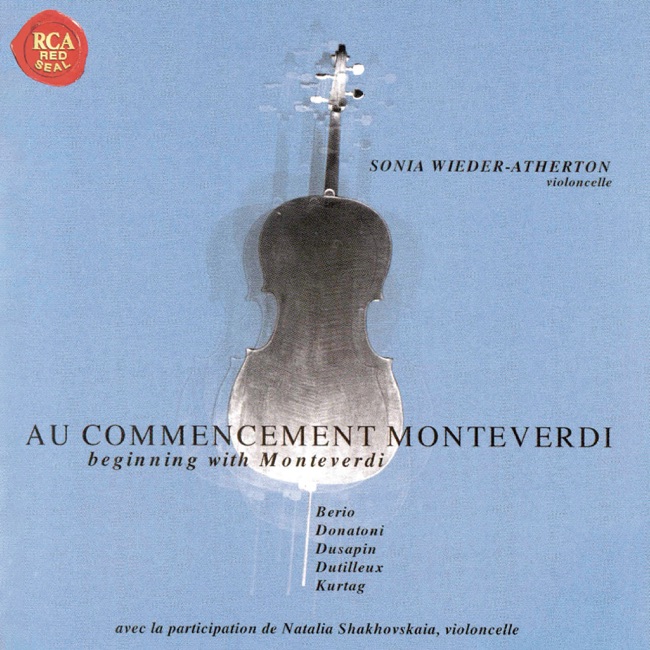 March 13, 2001
 -
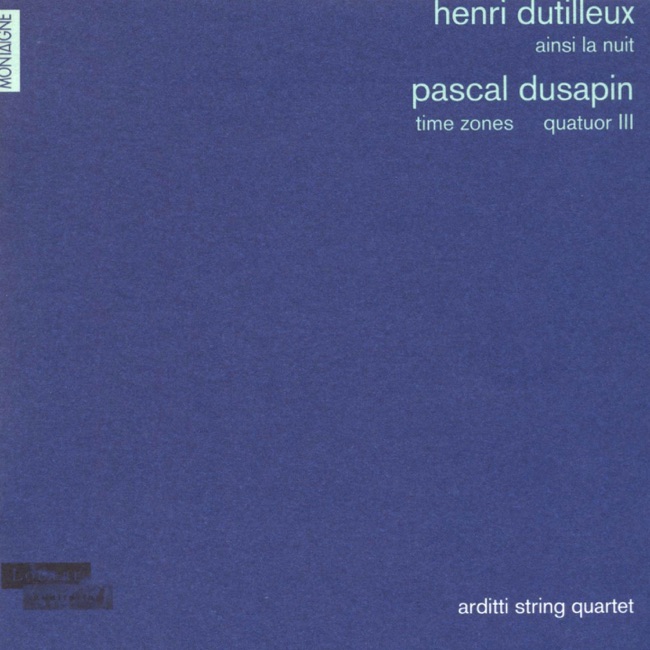 September 12, 2000
Concerto
-
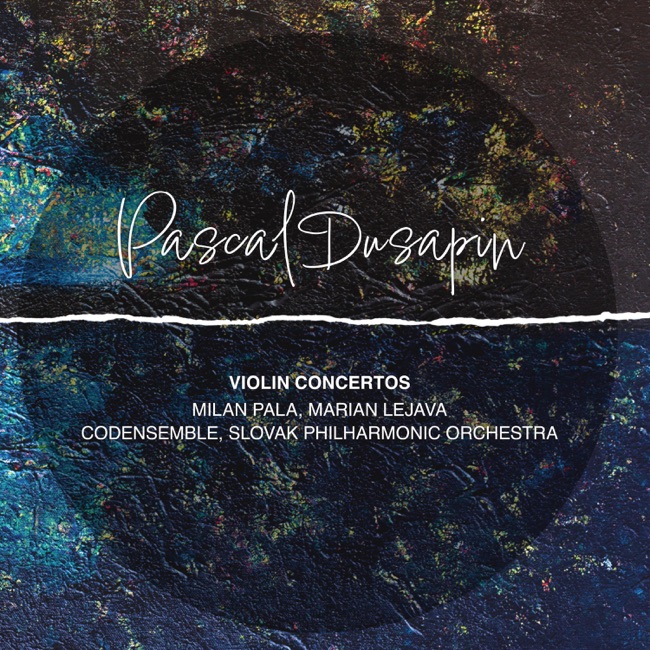 June 21, 2024
 -
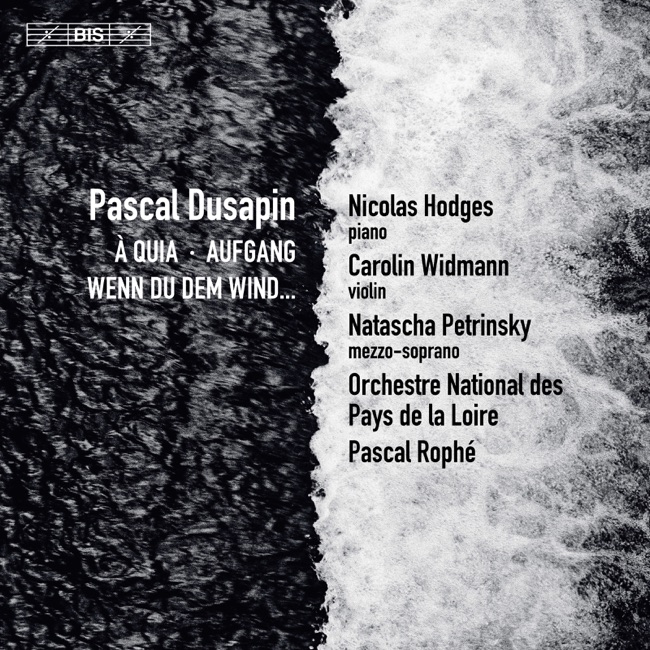 January 4, 2019
 -
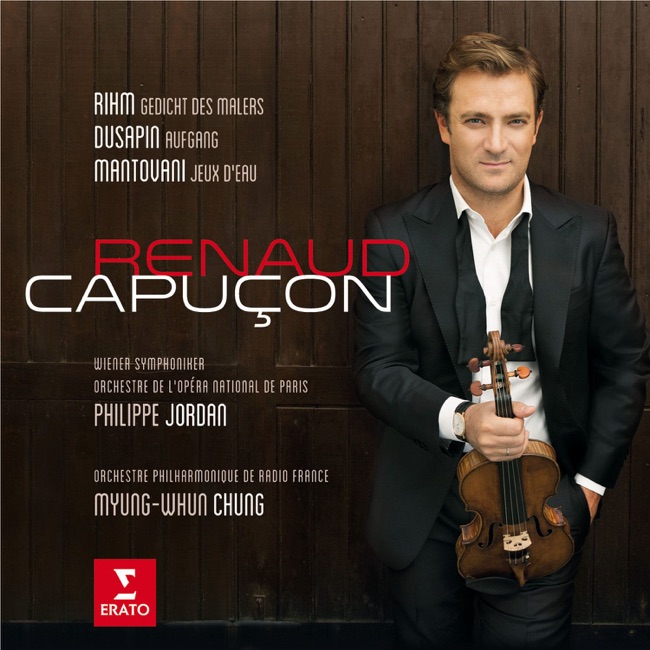 November 4, 2016
 -
 May 25, 2010
Vocal
-
 June 7, 2019
 -
 December 31, 2012
 -
 July 9, 2002
Artist Info
Role:ComposerCountry: FranceBirth:1955 in Nancy, FrancePeriod:ContemporaryGenre:ChamberVocalPascal Dusapin is a French composer of contemporary classical music. He was born on May 29, 1955, in Nancy, France. Dusapin grew up in a musical family, with his father being a conductor and his mother a pianist. He began studying music at a young age, learning the piano and violin. He later studied composition at the Conservatoire National Supérieur de Musique et de Danse de Paris, where he was a student of Iannis Xenakis and Franco Donatoni. Dusapin's early works were influenced by the minimalist and spectral music movements. His music is characterized by its use of complex rhythms, microtonal harmonies, and extended techniques. He often incorporates elements of theater and performance into his compositions, creating works that are both musically and visually engaging. One of Dusapin's early works, "Coda," was premiered in 1985 and is a prime example of his minimalist style. The piece is scored for two pianos and features repetitive patterns and rhythms that gradually build in intensity. Another early work, "Umbrae Mortis," was premiered in 1986 and is a more spectral piece that explores the use of microtonal harmonies and timbral effects. In the 1990s, Dusapin began to incorporate more theatrical elements into his compositions. His opera "Medeamaterial," premiered in 1992, is based on the myth of Medea and features a libretto by Heiner Müller. The opera is scored for a large ensemble and features extended vocal techniques and dramatic staging. The work was well-received and helped establish Dusapin as a major figure in contemporary opera. Dusapin's later works continued to explore the intersection of music and theater. His opera "To Be Sung," premiered in 1994, is a collection of nine songs that are performed by a single singer and a small ensemble. The work features a minimalist score that is accompanied by a series of visual projections and choreographed movements. Another notable work from this period is "Passion," a chamber opera that explores the themes of love and desire. The work features a libretto by Olivier Cadiot and is scored for a small ensemble. In addition to his operas, Dusapin has also composed a number of orchestral works. His "Concerto for Violin and Orchestra," premiered in 2005, is a virtuosic work that showcases the soloist's technical abilities. The piece is scored for a large orchestra and features complex rhythms and harmonies. Another notable orchestral work is "Morning in Long Island," which was premiered in 2010. The piece is scored for a large ensemble and features a series of contrasting sections that explore different moods and textures. Dusapin's music has been performed by some of the world's leading orchestras and ensembles, including the Berlin Philharmonic, the London Symphony Orchestra, and the Ensemble Intercontemporain. He has received numerous awards and honors for his work, including the Grand Prix National de la Musique in 1995 and the Prince Pierre Foundation Music Award in 2005. In conclusion, Pascal Dusapin is a highly regarded composer of contemporary classical music. His music is characterized by its use of complex rhythms, microtonal harmonies, and extended techniques. He has incorporated elements of theater and performance into his compositions, creating works that are both musically and visually engaging. His operas, in particular, have received critical acclaim and helped establish him as a major figure in contemporary opera.More....
Recent Artist Music


Copyright Ⓒ 2013 Davinci Finger. All rights reseved
Service Terms & Policy