


Vidor Nagy
Released Album
Chamber
-
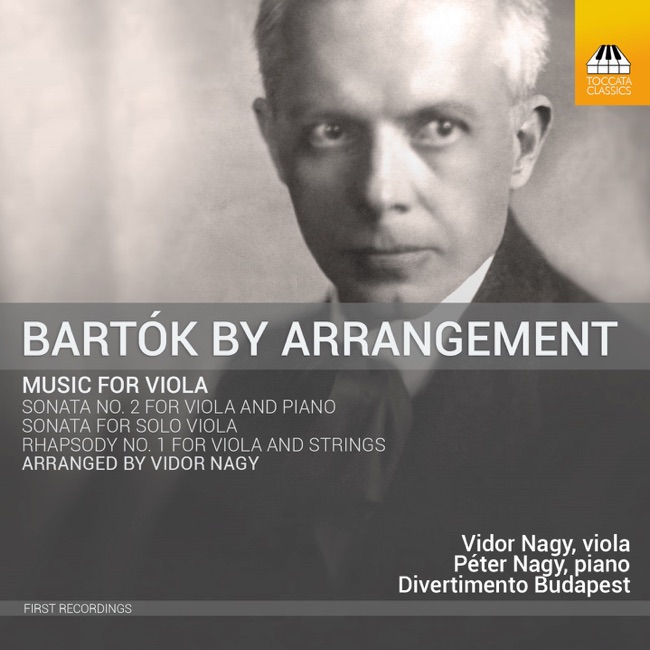 April 8, 2016
 -
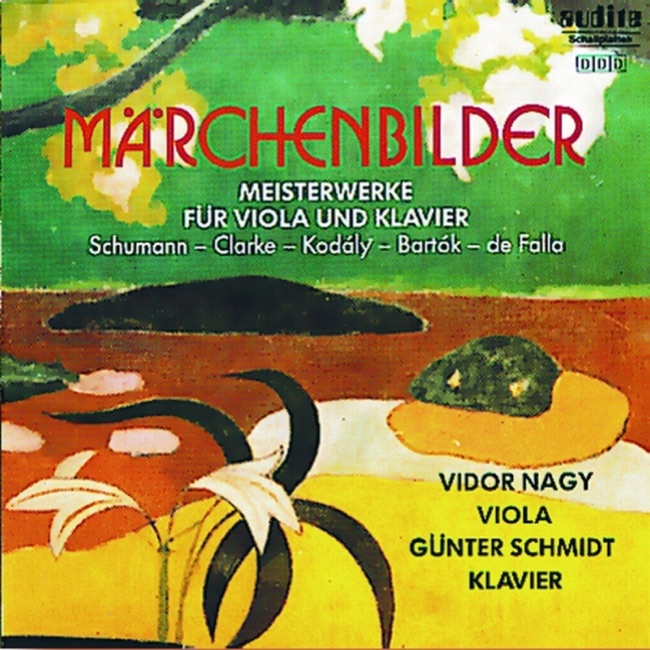 October 28, 2003
Keyboard
-
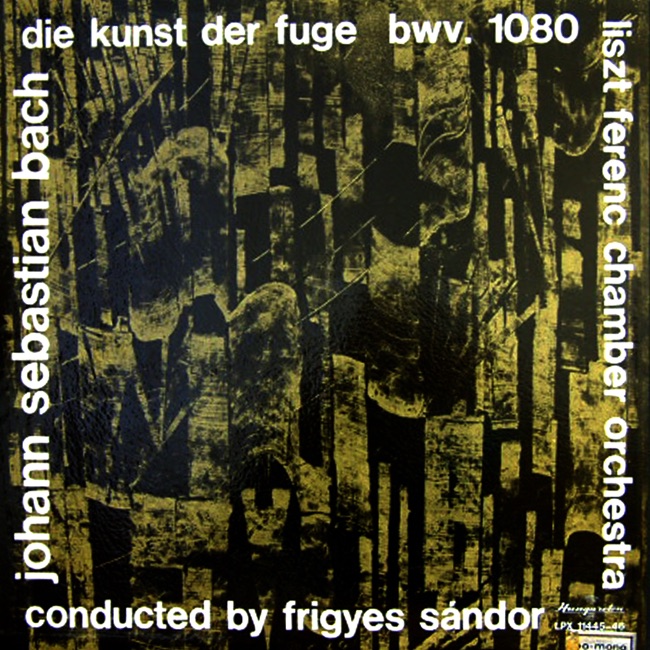 September 5, 1969
Concerto
-
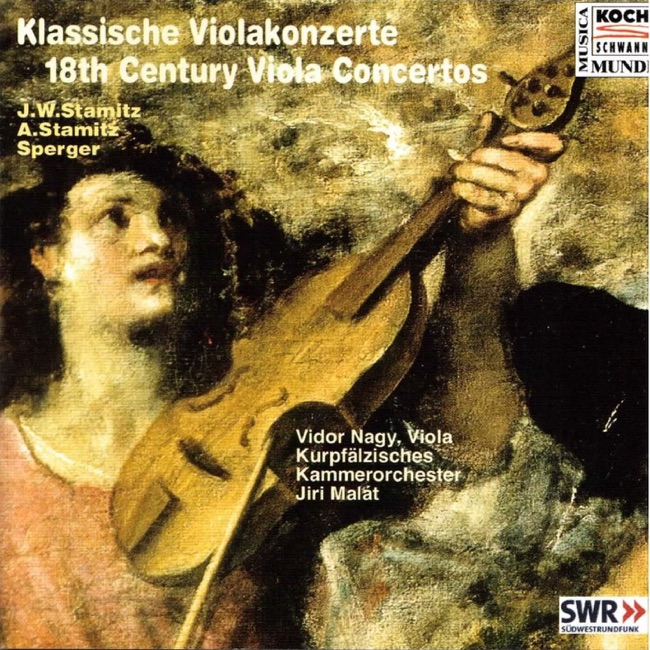 February 7, 2001
Artist Info
Role:ConductorGenre:ChamberConcertoVidor Nagy was a Hungarian classical music artist who was born on January 1, 1937, in Budapest, Hungary. He was a renowned cellist and conductor who made significant contributions to the world of classical music. Nagy's musical journey began at a young age when he started playing the cello. He showed exceptional talent and was soon recognized as a prodigy. Nagy's parents were both musicians, and they encouraged him to pursue a career in music. He received his early training at the Franz Liszt Academy of Music in Budapest, where he studied under the guidance of some of the most prominent cellists of the time. Nagy's talent and dedication to music were evident from an early age, and he quickly rose to prominence in the Hungarian music scene. In 1956, Nagy left Hungary and moved to the United States to further his musical education. He enrolled at the Juilliard School in New York City, where he studied under the tutelage of Leonard Rose, one of the most renowned cellists of the time. Nagy's time at Juilliard was a turning point in his career, as he honed his skills and developed his unique style of playing. After completing his studies at Juilliard, Nagy embarked on a successful career as a cellist and conductor. He performed with some of the most prestigious orchestras in the world, including the New York Philharmonic, the Boston Symphony Orchestra, and the London Symphony Orchestra. Nagy's performances were always well-received, and he quickly gained a reputation as one of the most talented cellists of his generation. In addition to his work as a cellist, Nagy was also an accomplished conductor. He served as the music director of the Hungarian State Opera from 1972 to 1978, where he conducted numerous operas and ballets. Nagy's conducting style was characterized by his attention to detail and his ability to bring out the best in his musicians. Throughout his career, Nagy received numerous awards and accolades for his contributions to the world of classical music. In 1962, he won the prestigious Naumburg International Cello Competition, which helped to launch his career as a soloist. Nagy was also a recipient of the Kossuth Prize, one of the highest honors awarded to Hungarian artists. One of Nagy's most memorable performances took place in 1970, when he performed the Dvorak Cello Concerto with the New York Philharmonic under the direction of Leonard Bernstein. The performance was widely praised, and Nagy's interpretation of the concerto was hailed as one of the best ever recorded. Nagy's legacy in the world of classical music is significant. He was a talented musician who dedicated his life to his craft, and his contributions to the art form will be remembered for generations to come. Nagy passed away on December 31, 1994, but his music continues to inspire and delight audiences around the world.More....
Recent Artist Music
1
3:53

3
3:39
Copyright Ⓒ 2013 Davinci Finger. All rights reseved
Service Terms & Policy