


George Shearing
Released Album
Vocal
-
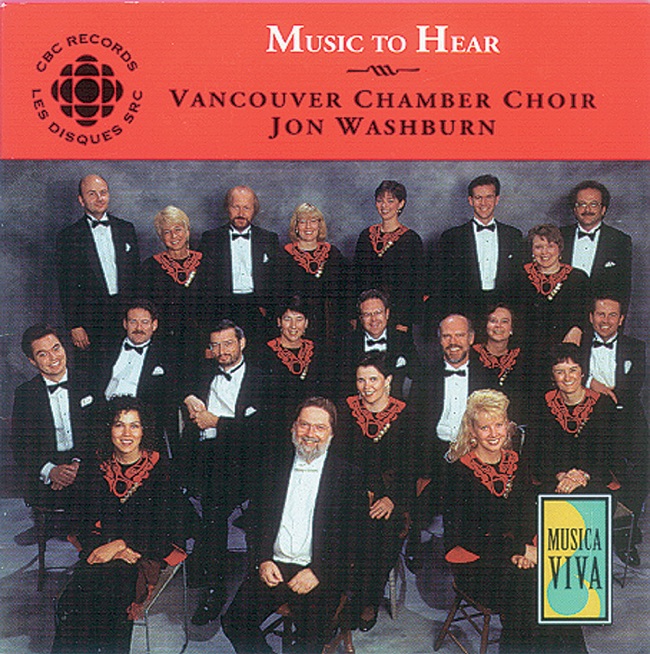 July 1, 2001
Keyboard
-
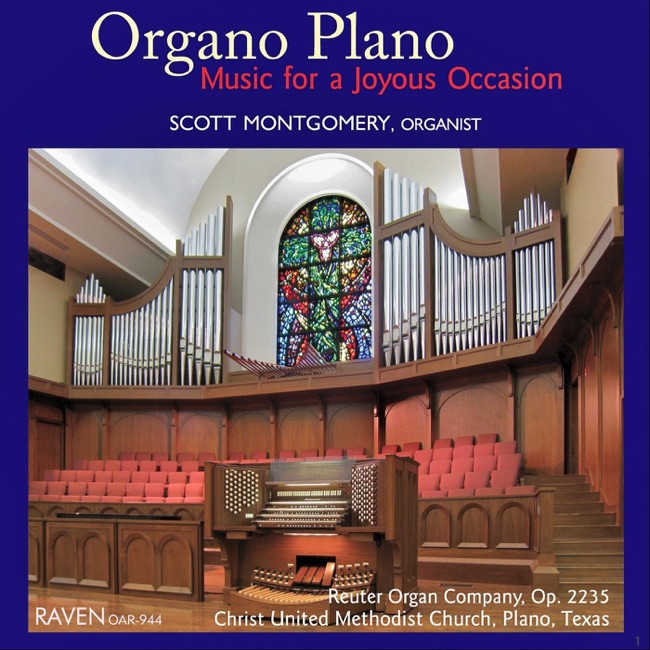
-
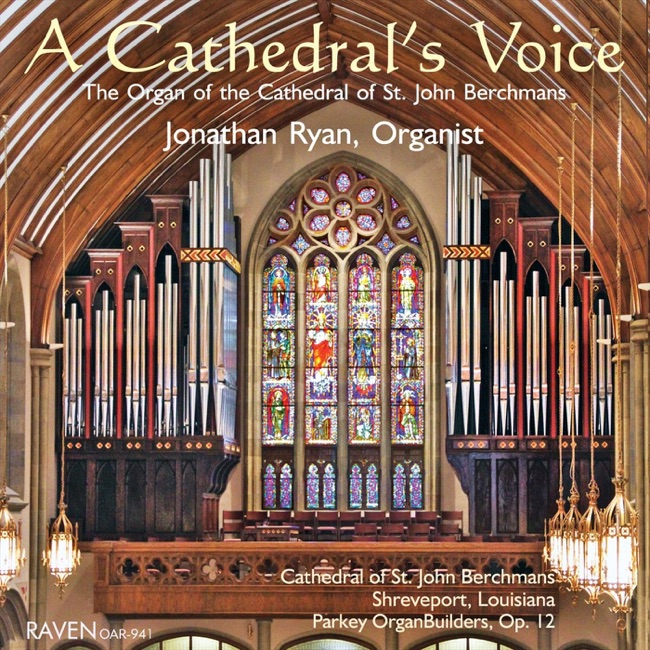 January 8, 2013
Choral
-
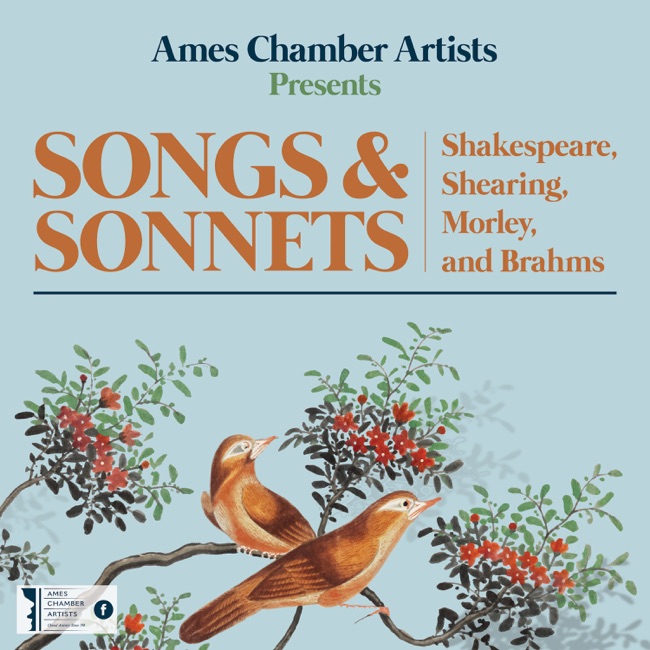 August 7, 2019
 -
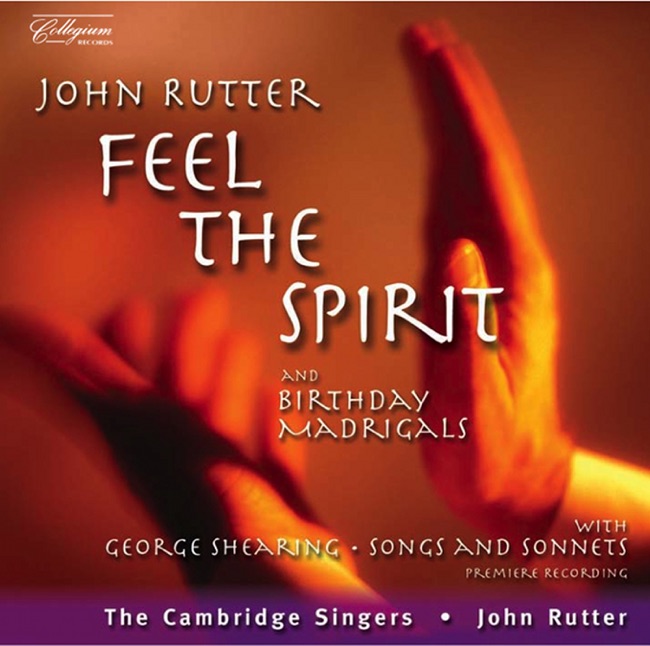 September 1, 2001
Artist Info
Role:ComposerCountry: United KingdomBirth:August 13, 1919 in London, EnglandDeath:February 14, 2011 in New York City, NYGenre:ChoralKeyboardGeorge Shearing was a British jazz pianist and composer who was born on August 13, 1919, in Battersea, London. He was the youngest of nine children and was born blind. Despite his disability, Shearing showed an early interest in music and began playing the piano at the age of three. He was largely self-taught and developed a unique style of playing that incorporated elements of classical music, swing, and bebop. Shearing's early musical influences included the works of composers such as Chopin, Debussy, and Ravel, as well as jazz musicians like Fats Waller and Teddy Wilson. He began performing in public at the age of 13 and quickly gained a reputation as a talented pianist. In 1937, he joined a band led by the clarinetist and saxophonist Harry Parry, which toured extensively throughout the UK. During World War II, Shearing served in the Royal Air Force and played in a band that entertained troops. After the war, he formed his own quintet, which included the guitarist Chuck Wayne and the vibraphonist Marjorie Hyams. The group became popular in the UK and was eventually signed to a recording contract by MGM Records. In 1949, Shearing moved to the United States and settled in New York City. He quickly established himself as one of the leading jazz pianists of his generation and began composing his own music. One of his most famous compositions, "Lullaby of Birdland," was written in 1952 and became a jazz standard. Shearing's music was characterized by its sophisticated harmonies, intricate arrangements, and elegant melodies. He often used unusual time signatures and incorporated elements of Latin and classical music into his compositions. His music was also notable for its use of the "locked hands" technique, in which the pianist plays chords in both hands simultaneously. Throughout the 1950s and 1960s, Shearing continued to record and perform with his quintet, which included such musicians as the bassist Al McKibbon, the drummer Denzil Best, and the saxophonist Zoot Sims. He also collaborated with other jazz musicians, including the singer Peggy Lee and the guitarist Wes Montgomery. In the 1970s, Shearing began to experiment with different musical styles and formed a new group that included the guitarist Louis Stewart and the bassist Niels-Henning Ørsted Pedersen. He also began to incorporate electronic instruments into his music, including the synthesizer and the electric piano. Shearing continued to perform and record throughout the 1980s and 1990s, collaborating with such musicians as the singer Mel Tormé and the pianist Marian McPartland. He also composed music for films and television, including the theme for the British television series "The Onedin Line." Shearing was the recipient of numerous awards and honors throughout his career, including six Grammy Awards and an honorary knighthood from Queen Elizabeth II. He was also inducted into the Jazz Hall of Fame and the Songwriters Hall of Fame. George Shearing died on February 14, 2011, at the age of 91. He left behind a legacy of innovative and influential music that continues to inspire and delight jazz fans around the world.More....
Recent Artist Music
1
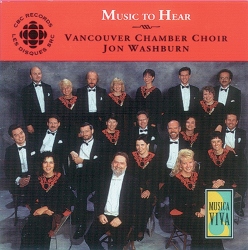
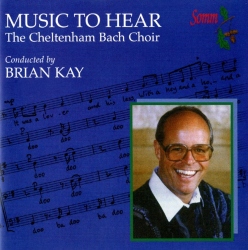
Music to Hear (5) from Shakespeare
Sigh no more ladies, sigh no more (Much Ado About Nothing, Act II, Scene iii)
3:15

Related Artists
Copyright Ⓒ 2013 Davinci Finger. All rights reseved
Service Terms & Policy