


Akira Nishimura
Released Album
Chamber
-
 January 8, 2019
 -
 April 28, 2009
 -
 January 19, 2001
 -
 January 1, 2000
 -
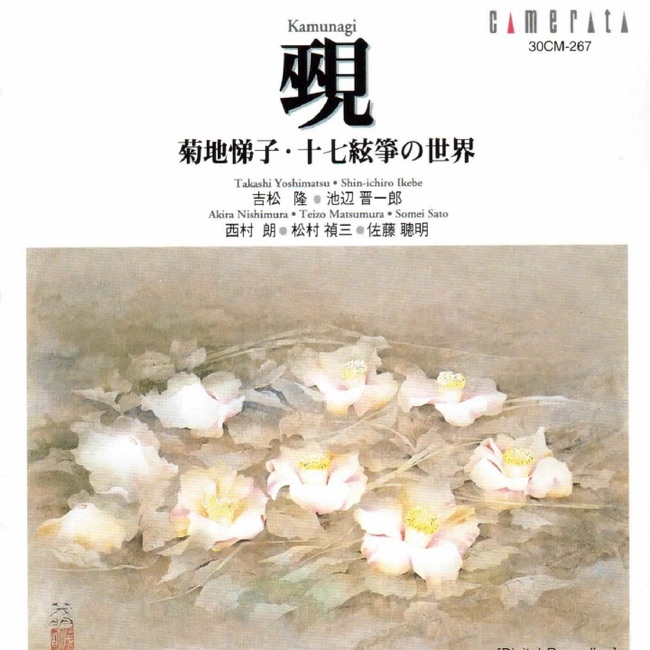 June 18, 1996
 -
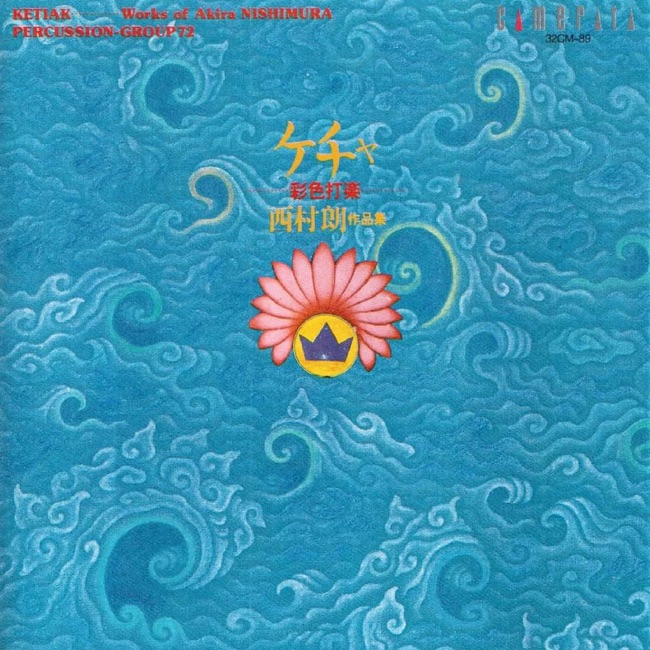 December 28, 1995
Keyboard
-
 March 12, 2021
 -
 November 9, 2010
Concerto
-
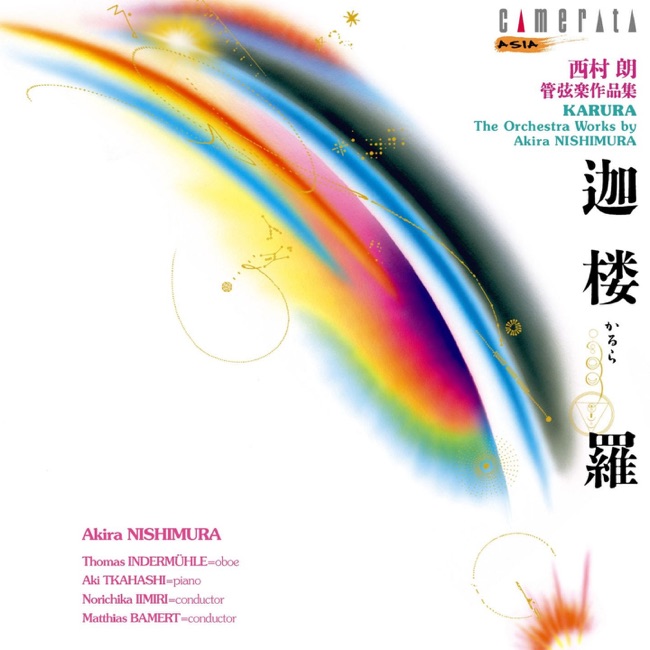 December 24, 2002
Orchestral
-
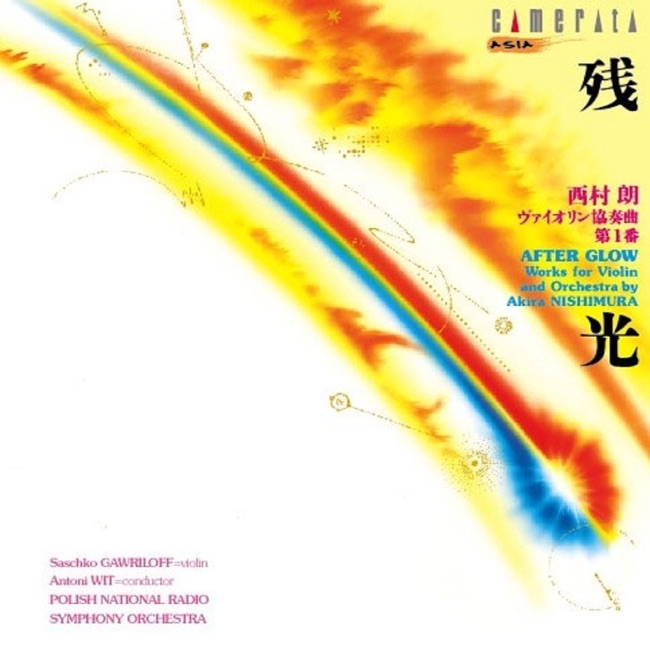 April 25, 2000
Artist Info
Role:Composer ConductorCountry: JapanBirth:September 8, 1953 in Osaka, JapanPeriod:ContemporaryGenre:ChamberConcertoOrchestralAkira Nishimura is a renowned Japanese composer of classical music, known for his unique style that blends traditional Japanese music with contemporary Western classical music. Born on September 8, 1953, in Hiroshima, Japan, Nishimura grew up in a family of musicians. His father was a composer and conductor, and his mother was a pianist. From a young age, Nishimura was exposed to music and began playing the piano at the age of four. Nishimura's early musical education was primarily focused on Western classical music. He studied composition at the Tokyo National University of Fine Arts and Music, where he earned his bachelor's and master's degrees. During his studies, Nishimura was heavily influenced by the works of Western composers such as Olivier Messiaen and Karlheinz Stockhausen. After completing his studies, Nishimura began to explore his Japanese heritage and incorporate traditional Japanese music into his compositions. He studied traditional Japanese music and instruments such as the shakuhachi and koto, and began to incorporate these elements into his works. Nishimura's early works were primarily for chamber ensembles and solo instruments. One of his most notable early works is "Kuusou no Mori" (Fantasy Forest), a piece for solo piano that was inspired by the works of Japanese novelist Haruki Murakami. The piece features elements of both Western classical music and traditional Japanese music, and showcases Nishimura's unique style. In the 1990s, Nishimura began to gain international recognition for his works. He was commissioned to write works for orchestras and ensembles around the world, and his works were performed at major music festivals such as the Salzburg Festival and the Tanglewood Music Festival. One of Nishimura's most notable works from this period is "Bird Heterophony," a piece for orchestra that was commissioned by the Boston Symphony Orchestra. The piece features a unique form of heterophony, where multiple instruments play the same melody with slight variations, creating a complex and layered sound. Nishimura's works continued to evolve in the 2000s, as he began to incorporate electronic music and multimedia elements into his compositions. One of his most notable works from this period is "Heterophony of the Trees," a piece for orchestra and electronics that was inspired by the sounds of nature. The piece features recordings of natural sounds such as birdsong and wind, which are manipulated and blended with the orchestra to create a unique and immersive sound experience. In addition to his work as a composer, Nishimura is also a respected educator and has taught at several universities in Japan and the United States. He has also served as a judge for several international music competitions, including the International Rostrum of Composers and the Toru Takemitsu Composition Award. Throughout his career, Nishimura has received numerous awards and honors for his contributions to classical music. In 2002, he was awarded the Japan Arts Festival Award, and in 2014, he was awarded the Purple Ribbon Medal by the Japanese government for his contributions to the arts. Today, Nishimura continues to compose and perform his works around the world. His unique style and innovative approach to blending traditional Japanese music with contemporary Western classical music have made him one of the most respected and influential composers of his generation.More....
Recent Artist Music
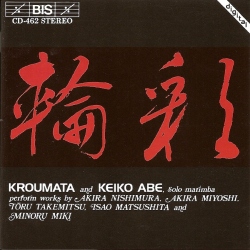
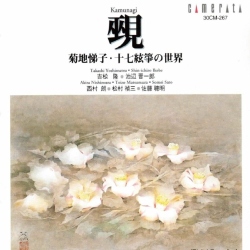
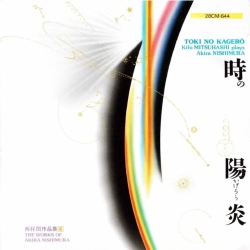

5
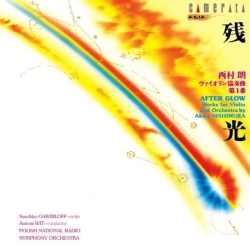
22:46




15
7:32
Copyright Ⓒ 2013 Davinci Finger. All rights reseved
Service Terms & Policy