


Marcel Tournier
Released Album
Chamber
-
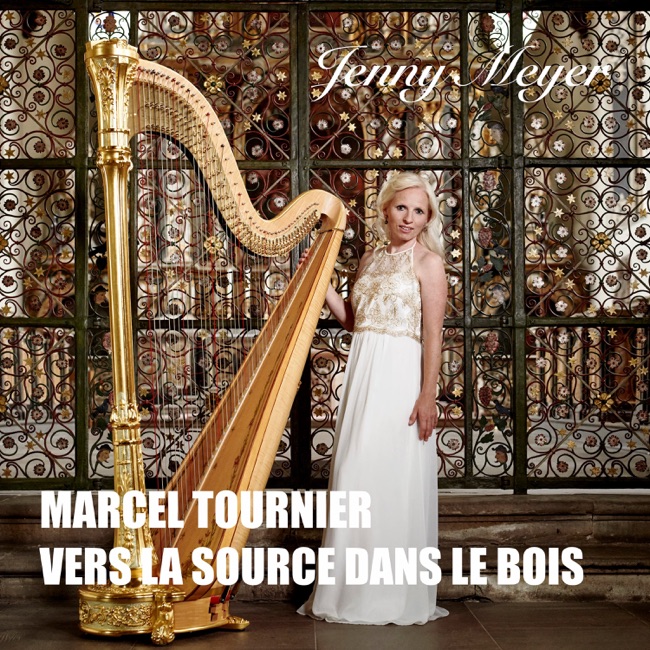 September 1, 2024
 -
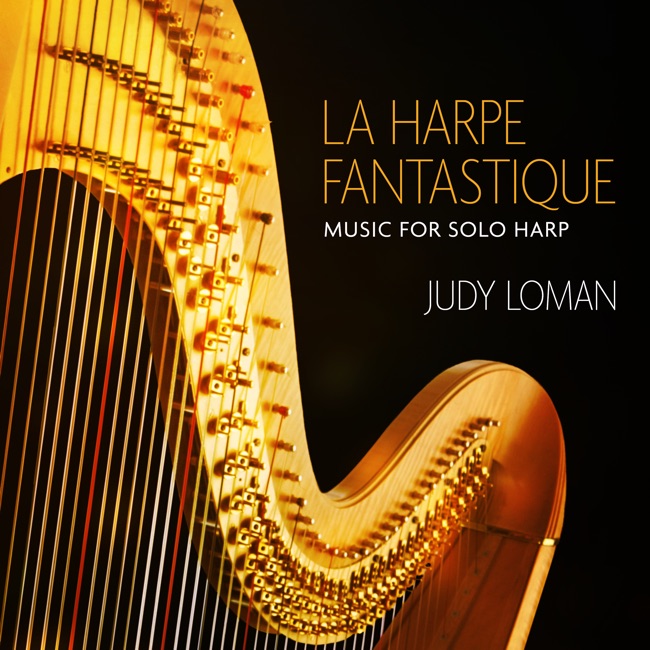 October 7, 2022
 -
-
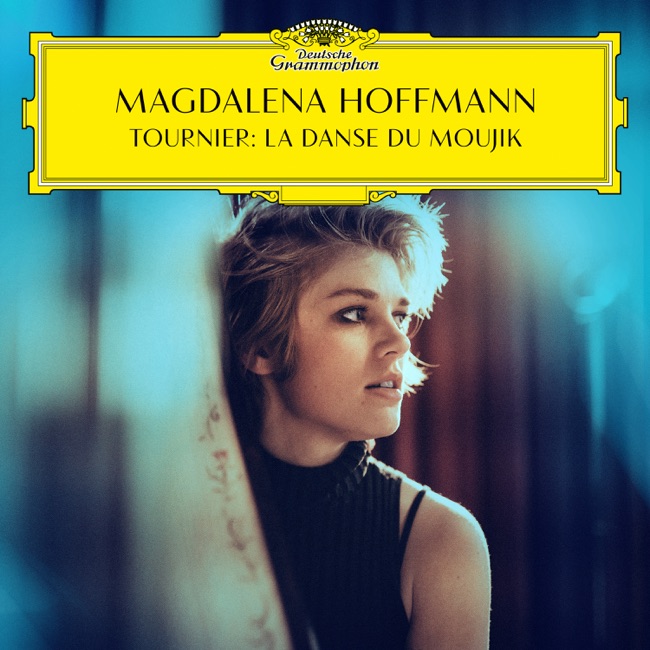 July 16, 2021
 -
 December 4, 2020
 -
 November 3, 2020
Miscellaneous
-
 November 15, 2008
 -
 September 22, 1994
Vocal
-
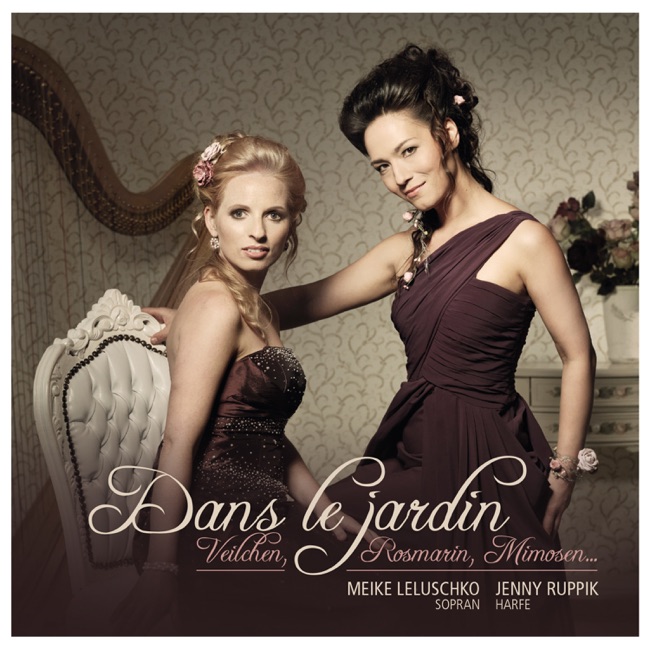 November 15, 2013
 -
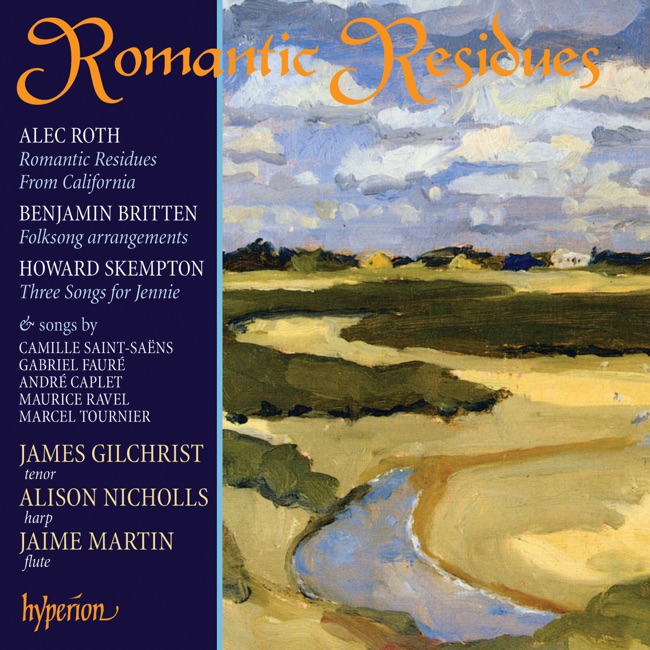 August 4, 2008
 -
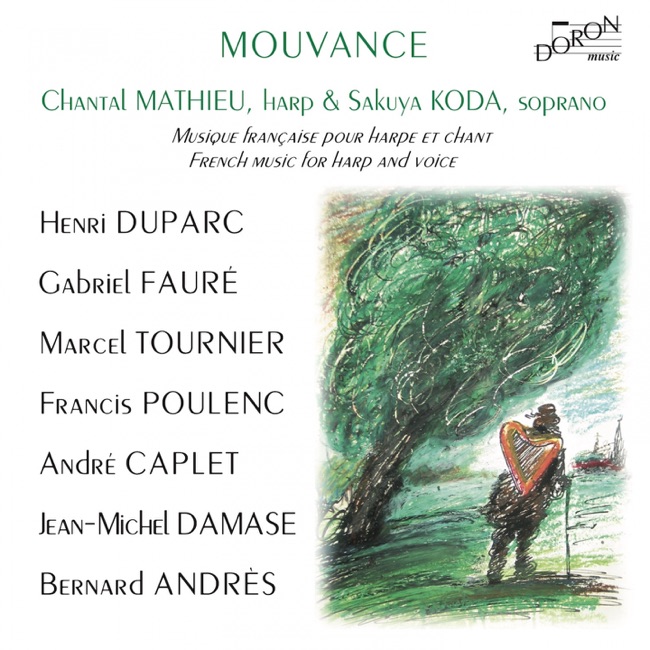 January 24, 2006
 -
 April 1, 2002
Artist Info
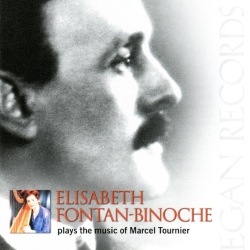
Role:ComposerCountry: FranceBirth:January 5, 1879 in Paris, FranceDeath:May 8, 1951 in Paris, FrancePeriod:ContemporaryModernGenre:ChamberMarcel Tournier was a French composer and harpist who lived from 1879 to 1951. He was born in Paris to a family of musicians, and his father was a well-known harpist and composer. Tournier began studying the harp at a young age, and he quickly showed a talent for the instrument. He went on to study at the Paris Conservatory, where he won several prizes and awards. Tournier's early compositions were for the harp, and he quickly gained a reputation as one of the leading harpists of his time. He was known for his virtuosic playing and his innovative use of the instrument. He also began to compose music for other instruments, including the piano, violin, and cello. One of Tournier's most famous works is his Suite for Harp, which was composed in 1909. The suite consists of four movements, each of which showcases the harp's versatility and range. The first movement, Prelude et Danse, is a lively and energetic piece that features fast arpeggios and intricate rhythms. The second movement, Fileuse, is a delicate and lyrical piece that showcases the harp's ability to create a beautiful, singing tone. The third movement, Nocturne, is a slow and atmospheric piece that creates a dreamy, ethereal mood. The final movement, Scherzo, is a playful and lively piece that features fast, intricate runs and playful rhythms. Tournier's other works for the harp include his Sonatine for Harp and his Feerie for Harp and Orchestra. The Sonatine is a three-movement work that showcases the harp's expressive and lyrical qualities. The Feerie is a more dramatic and colorful work that features the harp as a solo instrument against a lush orchestral backdrop. In addition to his works for the harp, Tournier also composed music for other instruments. One of his most famous works for the piano is his Images, which consists of three pieces that showcase the piano's range and versatility. The first piece, Clair de Lune, is a delicate and atmospheric piece that creates a dreamy, moonlit mood. The second piece, Les Anesses Grises, is a lively and playful piece that features fast, intricate runs and playful rhythms. The final piece, Au Matin, is a bright and sunny piece that creates a joyful, optimistic mood. Tournier's other works for the piano include his Prelude et Fugue, his Petite Suite, and his Sonatine. The Prelude et Fugue is a two-movement work that showcases the piano's ability to create complex, contrapuntal textures. The Petite Suite is a four-movement work that features a variety of moods and styles, from the playful and lively Scherzo to the delicate and lyrical Berceuse. The Sonatine is a three-movement work that showcases the piano's expressive and lyrical qualities. Tournier's works for the violin and cello are less well-known than his works for the harp and piano, but they are still highly regarded by musicians and critics. His Sonata for Violin and Piano is a three-movement work that showcases the violin's expressive and virtuosic qualities. The first movement, Allegro Moderato, is a lively and energetic piece that features fast, intricate runs and playful rhythms. The second movement, Adagio, is a slow and lyrical piece that creates a melancholy, introspective mood. The final movement, Allegro Vivo, is a lively and playful piece that features fast, intricate runs and playful rhythms. Tournier's Sonata for Cello and Piano is a two-movement work that showcases the cello's rich, singing tone.More....
Recent Artist Music

11
8:15
Recommend Playlist


Copyright Ⓒ 2013 Davinci Finger. All rights reseved
Service Terms & Policy