


Wilhelm Peterson-Berger
Released Album
Vocal
-
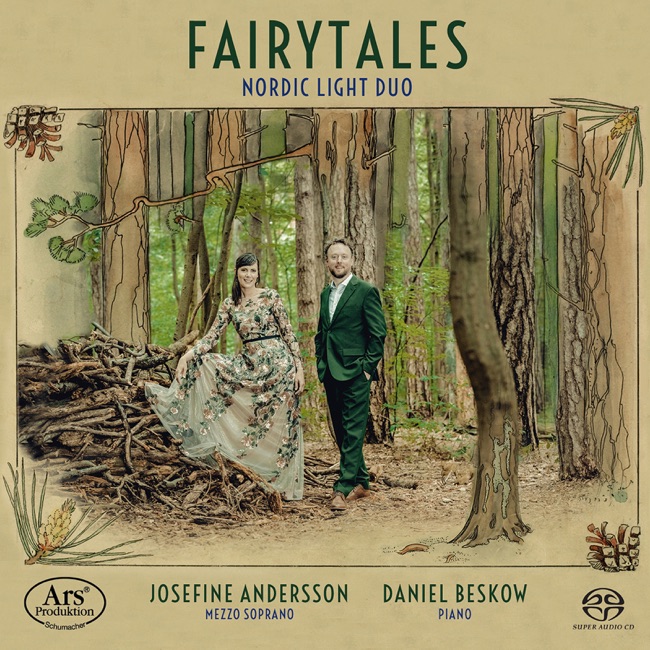 September 16, 2022
 -
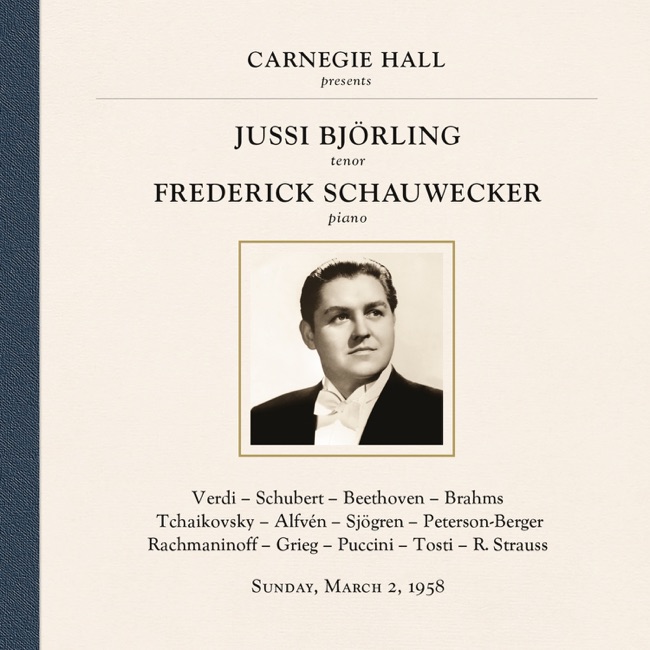
-
 April 1, 2012
 -
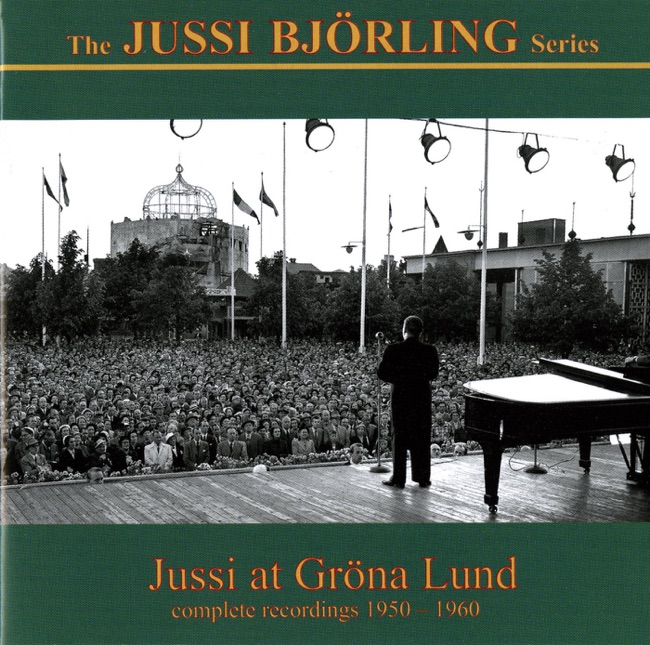 April 1, 2012
 -
 November 23, 2011
 -
 October 7, 2009
Keyboard
-
 August 21, 2021
 -
 February 25, 2008
 -
 October 24, 2006
 -
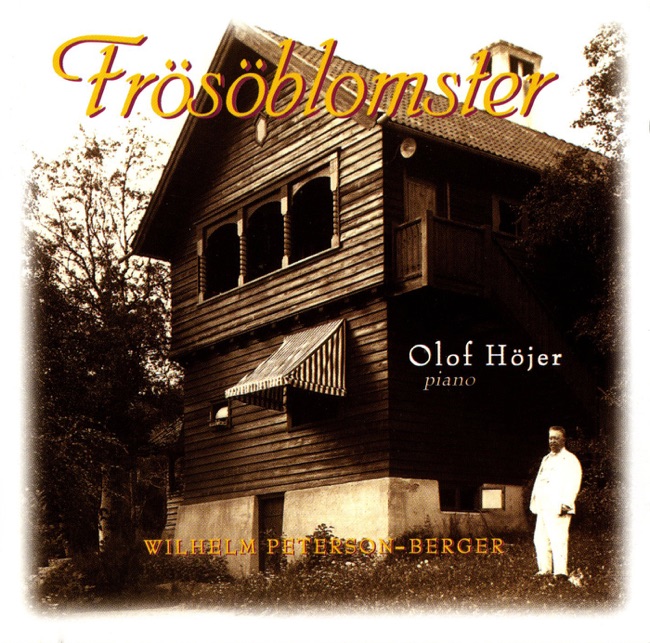 June 27, 2004
 -
 January 1, 2004
 -
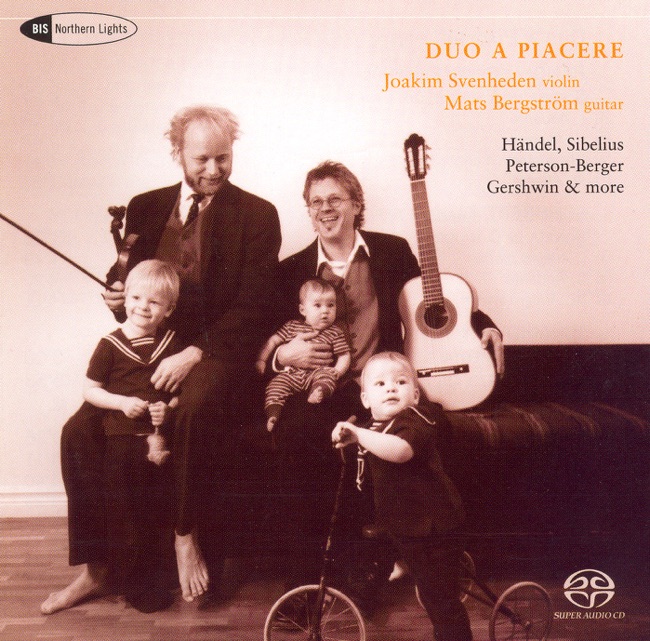 January 1, 2004
Opera
-
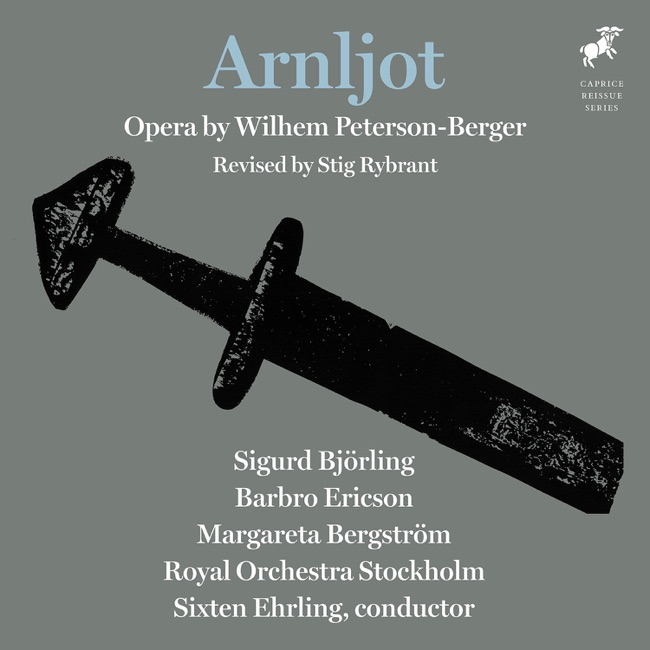 September 25, 2015
 -
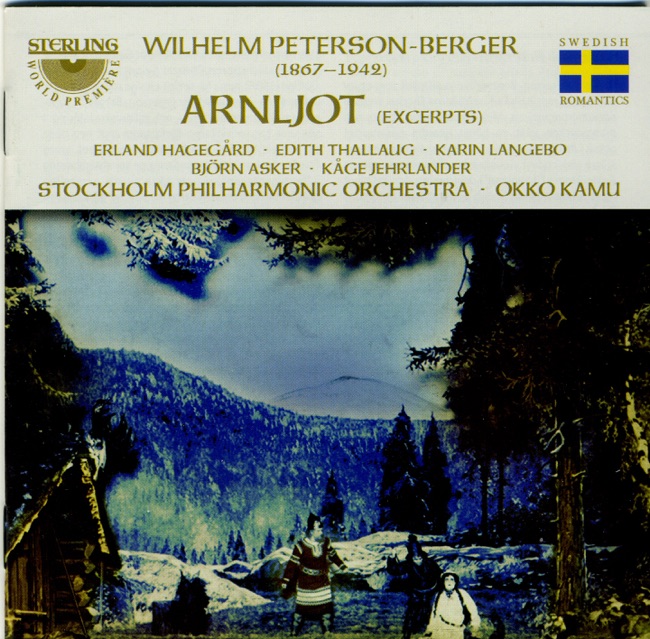 July 28, 2009
 -
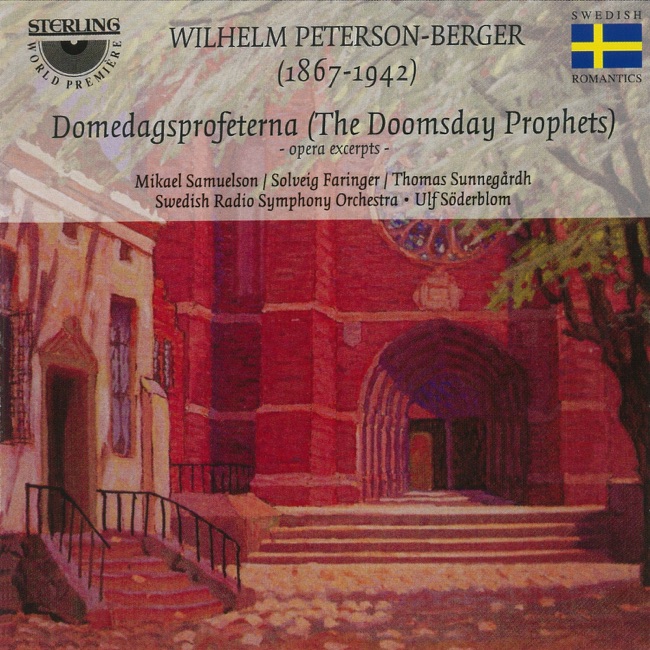 October 31, 2006
Artist Info
Role:Composer PerformerCountry: SwedenBirth:February 27, 1867 in UllångerDeath:December 3, 1942 in Östersund, SwedenPeriod:RomanticGenre:KeyboardVocalWilhelm Peterson-Berger was a Swedish composer, music critic, and writer who was born on February 27, 1867, in Ullånger, Sweden. He was the son of a Lutheran pastor and grew up in a musical family. His mother was a pianist, and his father played the organ. Peterson-Berger showed an early interest in music and began playing the piano at a young age. He also learned to play the violin and the organ. Peterson-Berger studied music at the Stockholm Conservatory, where he was a student of Johan Lindegren. He also studied with the composer and conductor Tor Aulin. In 1891, he traveled to Germany to study with the composer and conductor Hans Sitt. While in Germany, he also attended concerts and operas and became interested in the music of Richard Wagner. In 1893, Peterson-Berger returned to Sweden and began working as a music critic for the newspaper Svenska Dagbladet. He was a harsh critic and often criticized the music of his contemporaries. He also wrote articles about the music of Wagner and other German composers. Peterson-Berger's early compositions were influenced by the music of Wagner and other German composers. His first major work was the opera "Ran," which he composed in 1903. The opera was based on a Swedish legend and was well-received by audiences and critics. Peterson-Berger continued to compose operas throughout his career, including "Arnljot" (1910), "Domedagsprofeterna" (1916), and "Adils och Elisiv" (1925). In addition to his operas, Peterson-Berger composed orchestral works, chamber music, and songs. His most famous orchestral work is the "Fifth Symphony," which he composed in 1918. The symphony is often performed in Sweden and is considered one of his greatest works. Peterson-Berger was also a writer and wrote several books about music and culture. His most famous book is "Från Musikens Värld" (From the World of Music), which was published in 1919. The book is a collection of essays about music and musicians and is still considered an important work in Swedish music literature. Peterson-Berger was a controversial figure in Swedish music. He was known for his conservative views and his criticism of modern music. He was also a nationalist and believed that Swedish music should be based on Swedish folk music and traditions. His views were not always popular, and he was often criticized by other musicians and critics. Despite his controversial views, Peterson-Berger was a respected composer and musician. He was a member of the Royal Swedish Academy of Music and was awarded several honors during his lifetime. He died on December 3, 1942, in Östersund, Sweden. In conclusion, Wilhelm Peterson-Berger was a Swedish composer, music critic, and writer who was known for his conservative views and his criticism of modern music. He composed several operas, orchestral works, chamber music, and songs, and was also a respected writer. His most famous work is the "Fifth Symphony," which is often performed in Sweden. Despite his controversial views, Peterson-Berger was a respected composer and musician and is still considered an important figure in Swedish music history.More....
Recent Artist Music

8
2:45


14
10:16

Related Artists
Copyright Ⓒ 2013 Davinci Finger. All rights reseved
Service Terms & Policy