


Samuel Wesley
Released Album
Choral
-
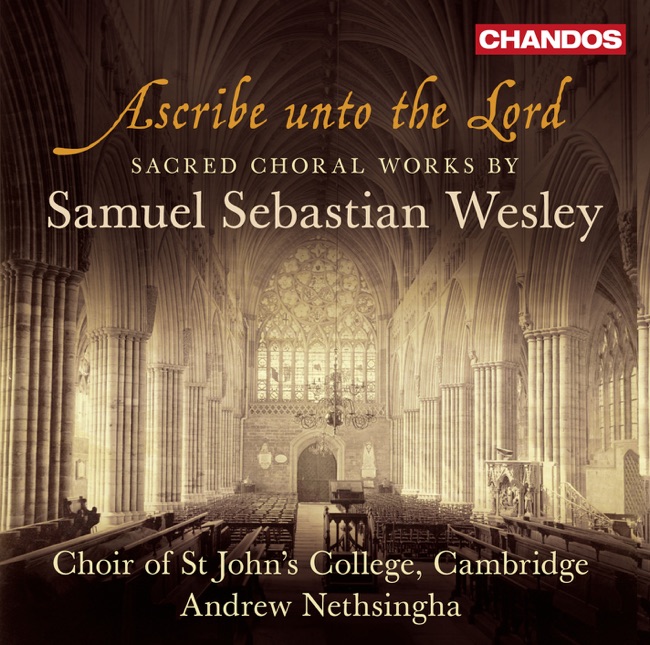
-
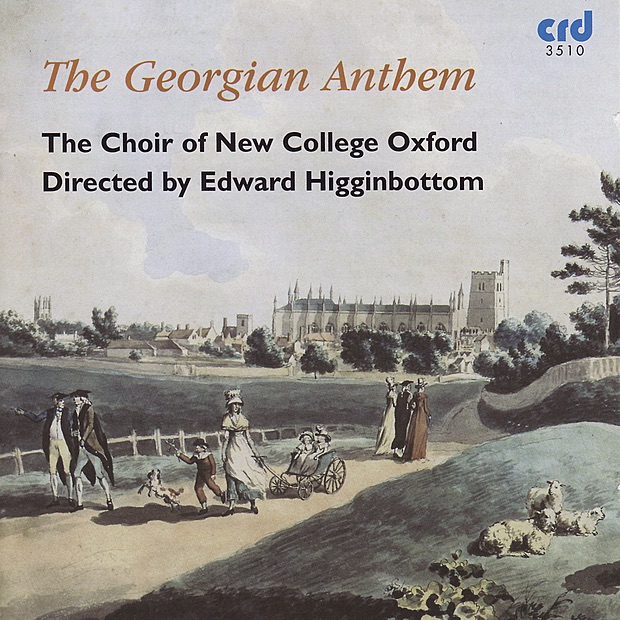 May 8, 2007
 -
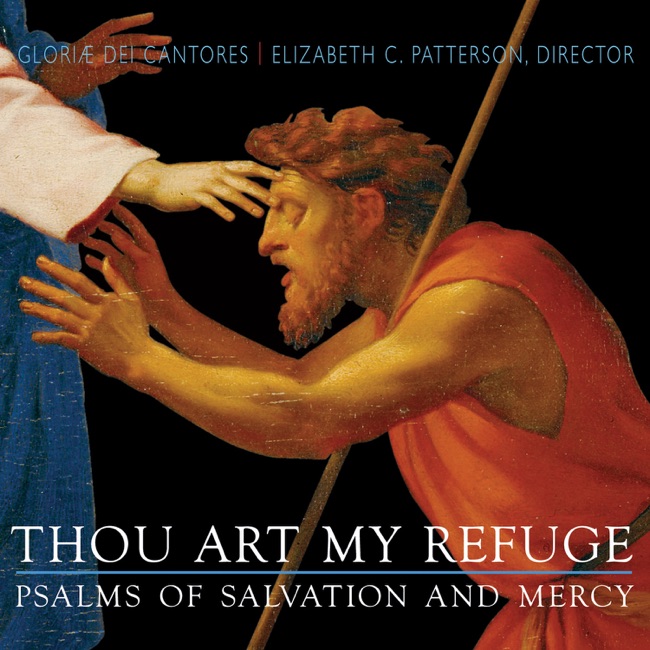 January 24, 2006
 -
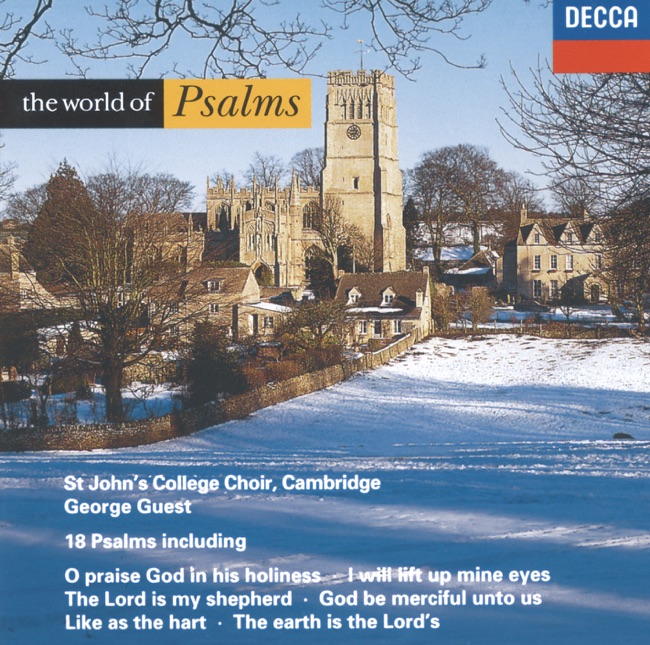 March 1, 2004
 -
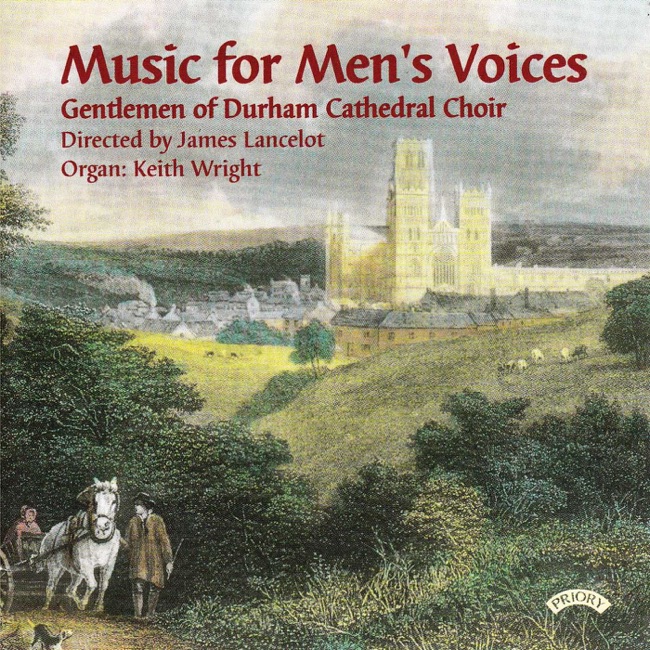 August 24, 1999
 -
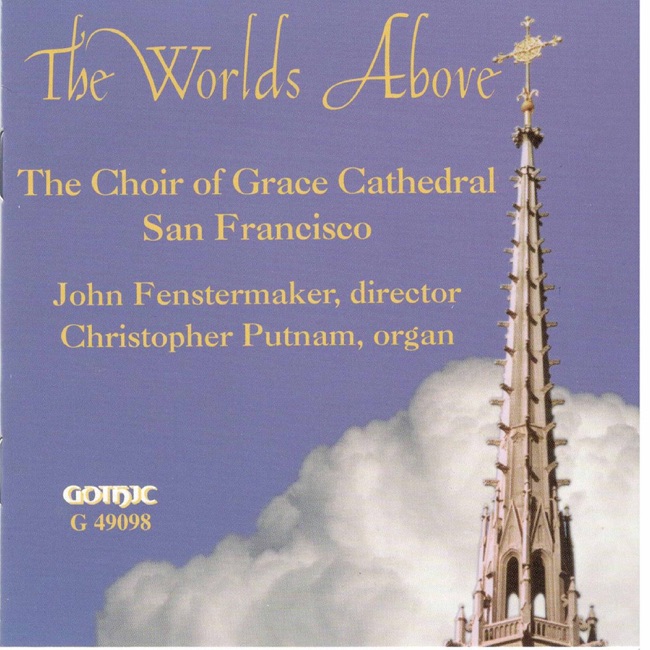 March 17, 1998
Keyboard
-
 January 20, 2019
 -
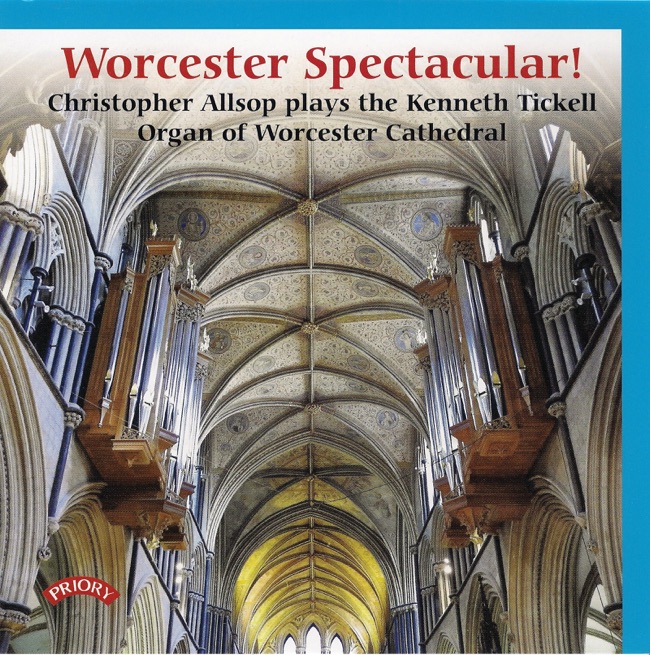 January 11, 2019
 -
 April 8, 2008
 -
 July 3, 2007
 -
 March 28, 2006
 -
 February 28, 2006
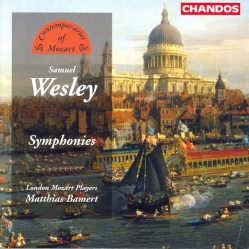
Symphony
-
 May, 2000
 -
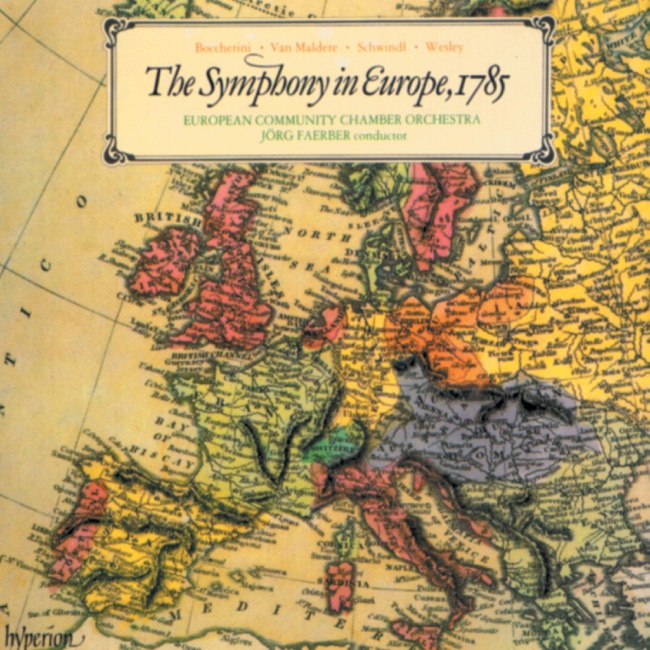 October, 1986
Miscellaneous
-
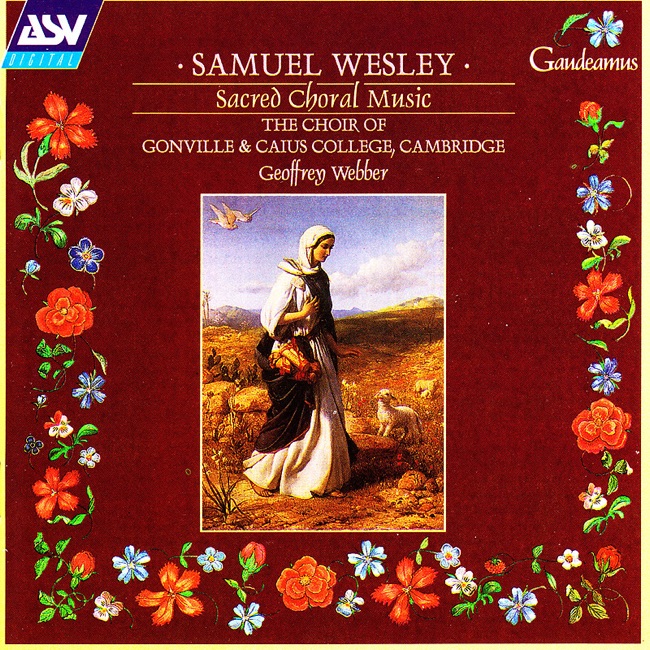 April 1, 1996
Artist Info
Role:ComposerCountry: United KingdomBirth:February 24, 1766 in Bristol, Avon, EnglandDeath:October 11, 1837 in London, EnglandPeriod:ClassicalRomanticGenre:ChoralKeyboardSymphonySamuel Wesley was a prominent English composer and organist of the late 18th and early 19th centuries. He was born on February 14, 1766, in Bristol, England, to a family of musicians. His father, Charles Wesley, was a well-known hymn writer and his mother, Sarah Wesley, was a singer and musician. Samuel was the youngest of their three children. Samuel Wesley showed an early interest in music and began playing the organ at the age of six. He received his first formal music education from his father and later studied with the organist and composer William Boyce. In 1781, at the age of 15, he was appointed organist at the Chapel Royal in London, a prestigious position that he held for the next 11 years. During his time at the Chapel Royal, Samuel Wesley composed a number of works, including anthems, hymns, and organ music. His compositions were well-received and he quickly gained a reputation as a talented composer and performer. In 1786, he was awarded the degree of Bachelor of Music by the University of Oxford. In 1793, Samuel Wesley resigned from his position at the Chapel Royal and moved to Bath, where he became the organist at the Octagon Chapel. He remained in Bath for the rest of his life, composing and performing music and teaching music to a number of students. Samuel Wesley's compositions were influenced by the music of his time, particularly the works of Handel and Bach. He was known for his skillful use of counterpoint and his ability to create complex and intricate musical textures. His music was also characterized by its emotional depth and expressive power. One of Samuel Wesley's most famous works is his Symphony in D major, which he composed in 1781. The symphony is a four-movement work that showcases Wesley's skill as a composer. It begins with a lively and energetic Allegro, followed by a graceful Andante. The third movement, a Minuet and Trio, is a charming and playful dance, while the final movement, a Presto, is a lively and exciting conclusion to the work. Another notable work by Samuel Wesley is his anthem "In Exitu Israel," which he composed in 1784. The anthem is a setting of Psalm 114 and is a powerful and dramatic work that showcases Wesley's skill as a composer of choral music. The work features intricate counterpoint and a wide range of dynamics, from the quiet and contemplative opening to the powerful and triumphant conclusion. Samuel Wesley also composed a number of works for the organ, including his Prelude and Fugue in G major, which he composed in 1790. The work is a virtuosic display of Wesley's skill as an organist and composer, featuring intricate counterpoint and a wide range of textures and dynamics. In addition to his compositions, Samuel Wesley was also known for his teaching. He taught music to a number of students, including his son Samuel Sebastian Wesley, who went on to become a prominent composer and organist in his own right. Samuel Wesley died on October 11, 1837, in Bath, England, at the age of 71. He left behind a legacy of music that continues to be celebrated and performed today. His compositions are known for their emotional depth, expressive power, and skillful use of counterpoint, and his influence can be heard in the works of many composers who came after him.More....
Recent Artist Music
3
1:16

14

1:20

Copyright Ⓒ 2013 Davinci Finger. All rights reseved
Service Terms & Policy