


Finnish Traditional
Released Album
Vocal
-
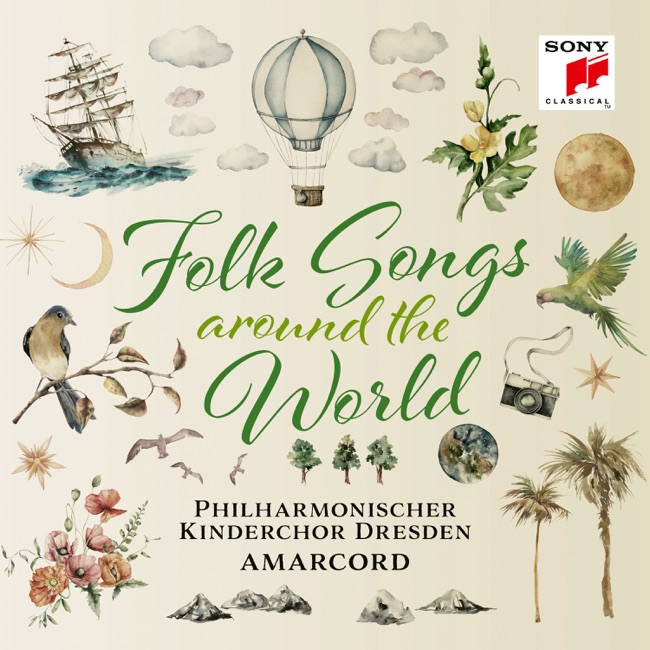 November 3, 2023
 -
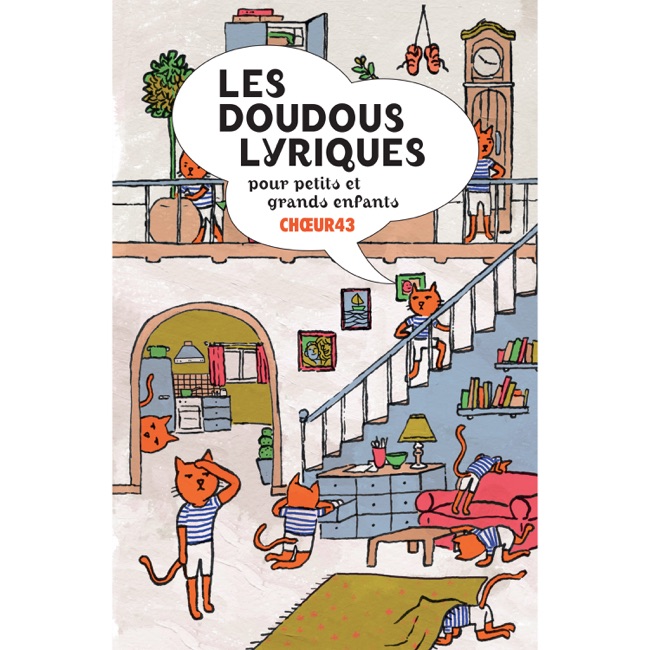 October 26, 2018
 -
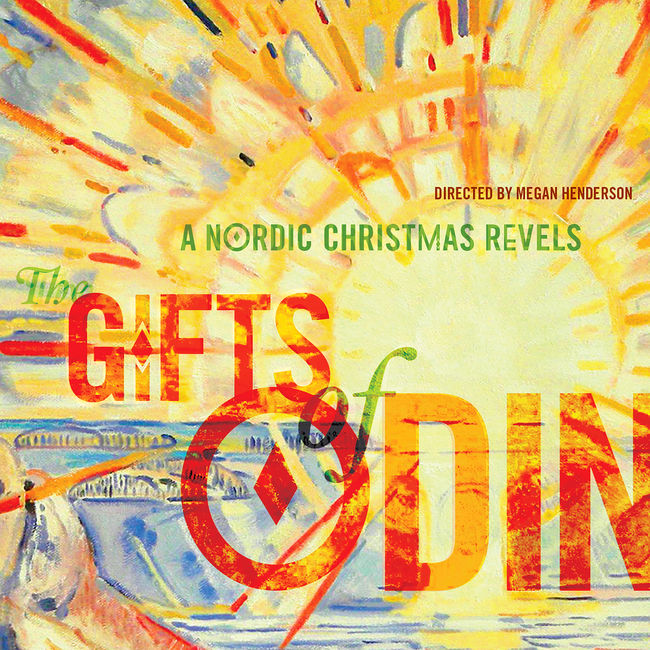 October 19, 2018
 -
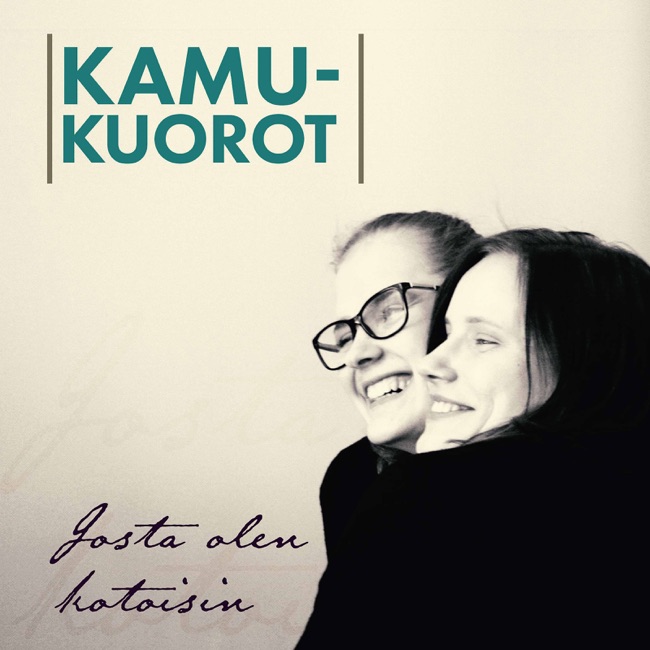 June 2, 2017
 -
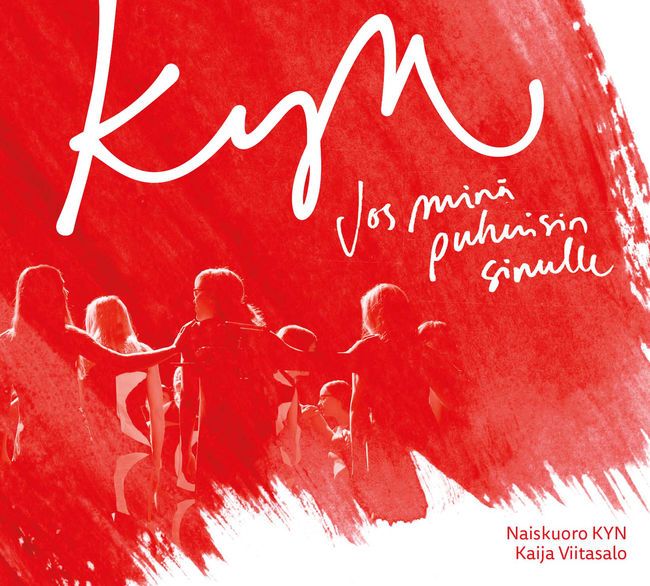 January 13, 2017
 -
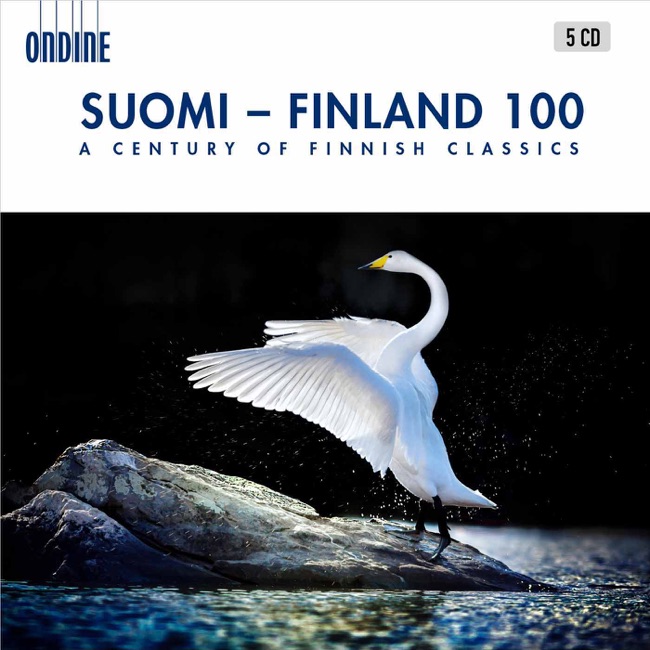 November 11, 2016
Choral
-
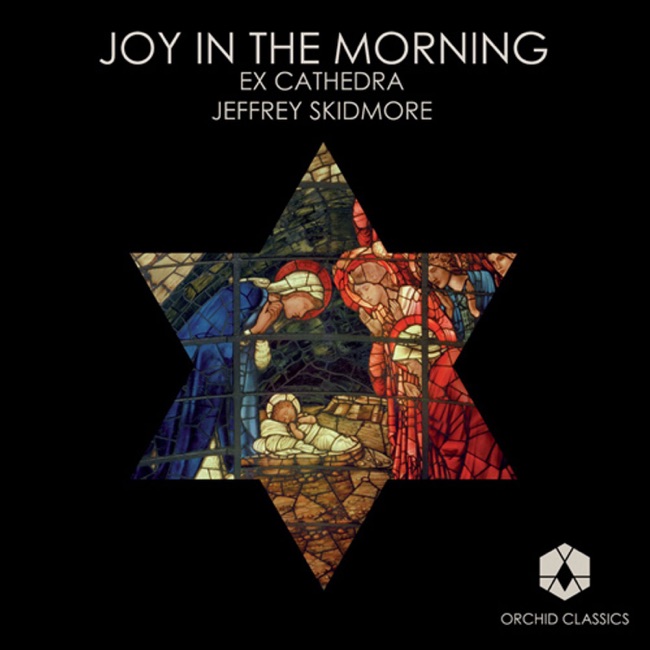 June 29, 2010
 -
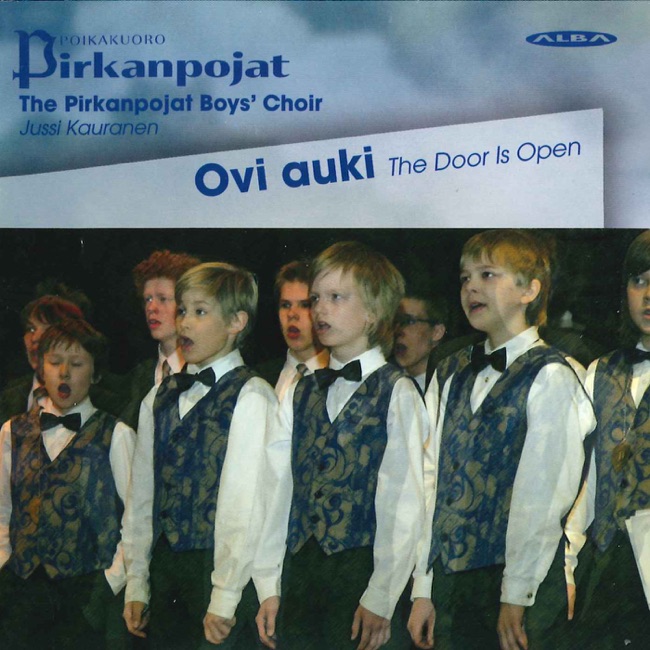 January 2, 2007
 -
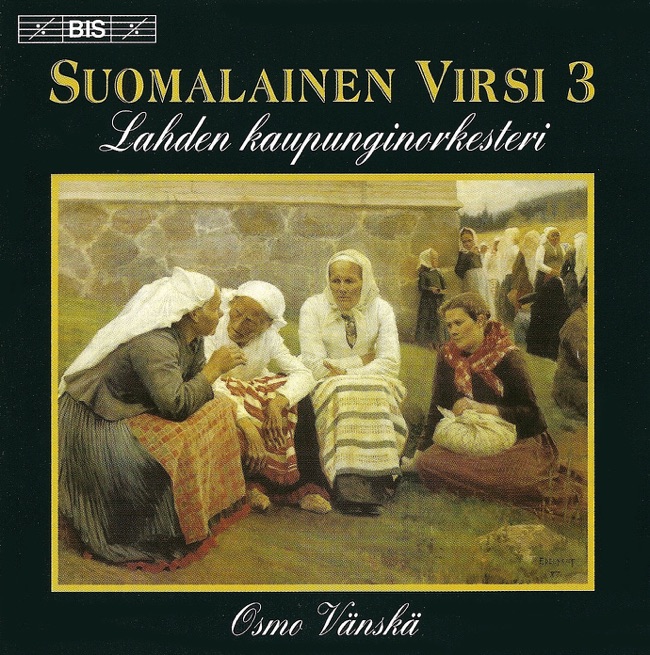 October 1, 2004
 -
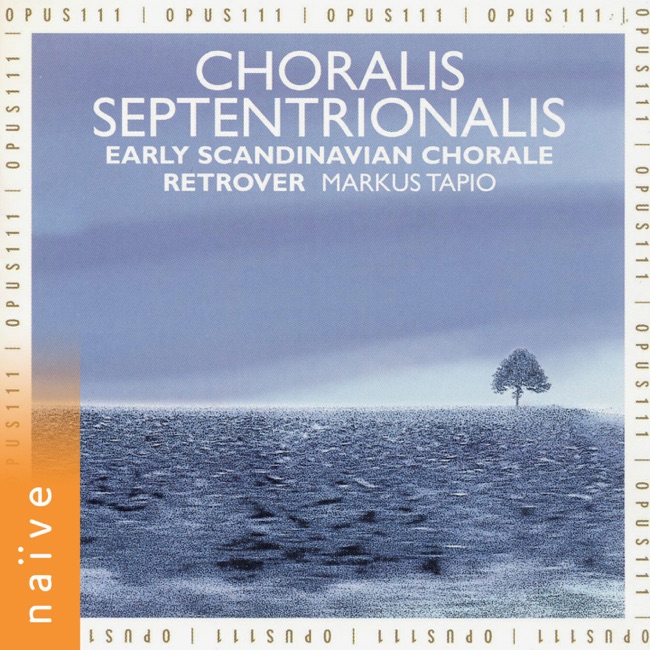 December 1, 2000
Miscellaneous
-
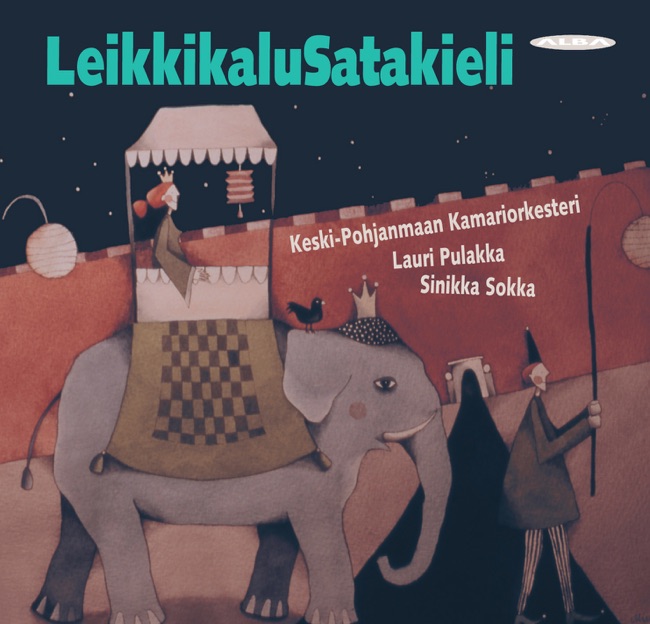 March 9, 2010
 -
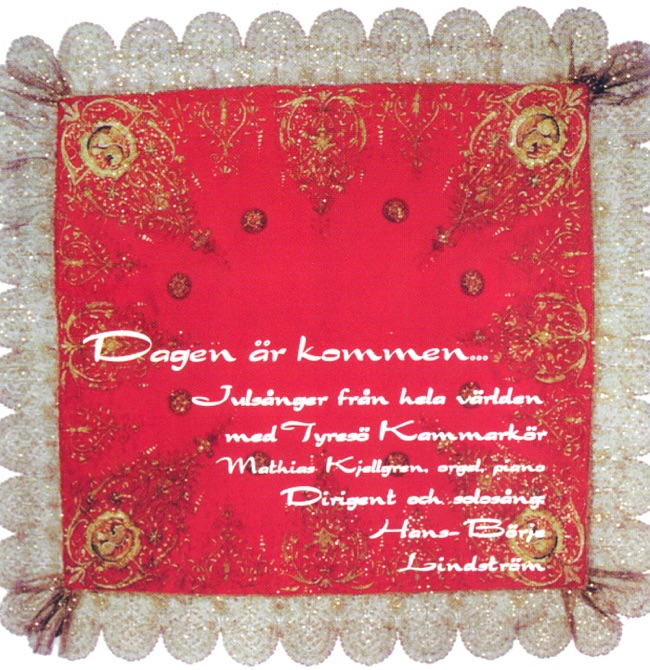 July 9, 1997
Chamber
-
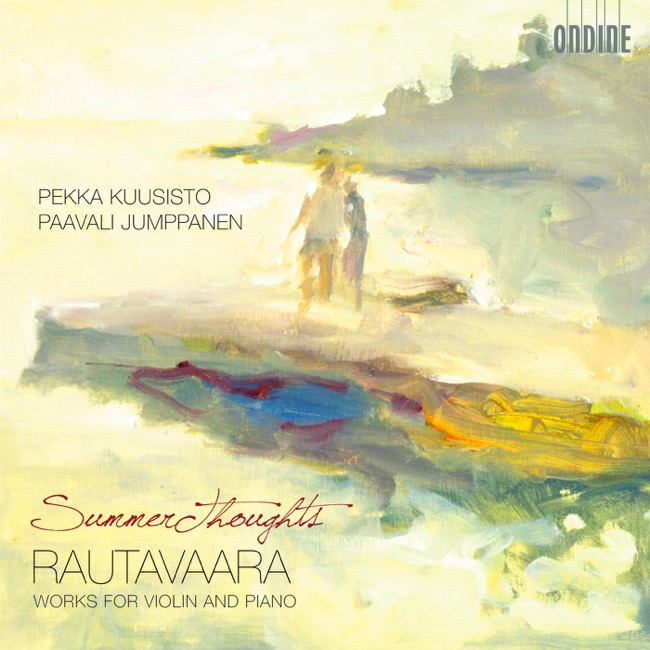 June 13, 2011
Artist Info
Role:ComposerGenre:VocalFinnish Traditional music is a genre of classical music that has its roots in the traditional music of Finland. The music is characterized by its use of traditional Finnish instruments such as the kantele, accordion, and violin, as well as its incorporation of traditional Finnish melodies and rhythms. The birth of Finnish Traditional music can be traced back to the early 20th century when a group of Finnish composers began to incorporate traditional Finnish music into their compositions. These composers, including Jean Sibelius, Einojuhani Rautavaara, and Kaija Saariaho, were inspired by the rich musical heritage of their country and sought to create a new genre of classical music that would reflect this heritage. One of the most important figures in the development of Finnish Traditional music was Jean Sibelius. Born in 1865 in Hämeenlinna, Finland, Sibelius was a prolific composer who is widely regarded as one of the greatest composers of the 20th century. Sibelius was deeply influenced by the traditional music of Finland and incorporated many elements of this music into his compositions. One of Sibelius's most famous works is his Symphony No. 2, which was composed in 1902. The symphony is characterized by its use of traditional Finnish melodies and rhythms, as well as its incorporation of the kantele, a traditional Finnish instrument. The symphony is considered to be one of Sibelius's greatest works and is widely regarded as a masterpiece of Finnish Traditional music. Another important figure in the development of Finnish Traditional music was Einojuhani Rautavaara. Born in 1928 in Helsinki, Rautavaara was a prolific composer who was deeply influenced by the traditional music of Finland. Rautavaara's compositions often incorporated traditional Finnish melodies and rhythms, as well as the use of traditional Finnish instruments. One of Rautavaara's most famous works is his Cantus Arcticus, which was composed in 1972. The work is characterized by its use of recordings of birdsong from the Arctic Circle, as well as its incorporation of traditional Finnish melodies and rhythms. The work is considered to be one of Rautavaara's greatest works and is widely regarded as a masterpiece of Finnish Traditional music. Kaija Saariaho is another important figure in the development of Finnish Traditional music. Born in 1952 in Helsinki, Saariaho is a composer who is known for her use of electronic music and her incorporation of traditional Finnish melodies and rhythms into her compositions. One of Saariaho's most famous works is her opera L'amour de loin, which was composed in 2000. The opera is characterized by its use of electronic music and its incorporation of traditional Finnish melodies and rhythms. The opera is considered to be one of Saariaho's greatest works and is widely regarded as a masterpiece of Finnish Traditional music. In addition to these composers, there are many other Finnish composers who have contributed to the development of Finnish Traditional music. These composers include Aulis Sallinen, Magnus Lindberg, and Esa-Pekka Salonen, among others. Overall, Finnish Traditional music is a genre of classical music that is characterized by its use of traditional Finnish melodies and rhythms, as well as its incorporation of traditional Finnish instruments. The genre has its roots in the early 20th century when a group of Finnish composers began to incorporate traditional Finnish music into their compositions.More....
Recent Artist Music
3
2:3
4
3:51
Copyright Ⓒ 2013 Davinci Finger. All rights reseved
Service Terms & Policy