


Leó Weiner
Released Album
Chamber
-
 April 26, 2024
 -
 August 17, 2018
 -
 August 14, 2015
 -
 April 7, 2015
 -
 November 19, 2013
 -
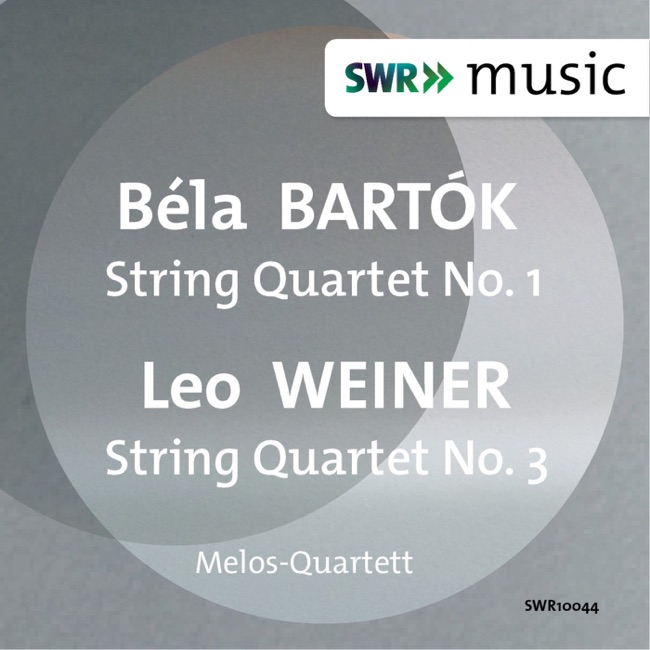 October 1, 2013
Orchestral
-
 February 24, 2023
 -
-
 July 24, 2020
 -
 December 1, 2018
 -
 October 6, 2017
 -
 September 1, 2013
Keyboard
-
 April 25, 2022
 -
 April 12, 2019
 -
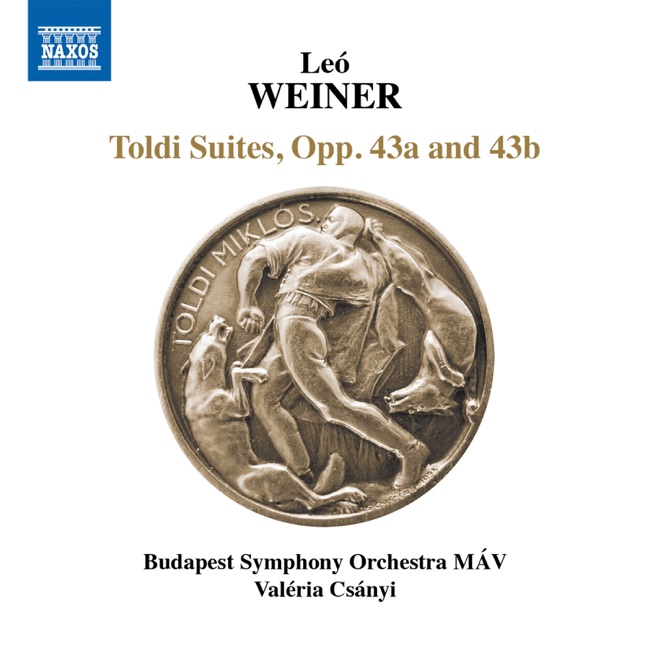 April 12, 2019
 -
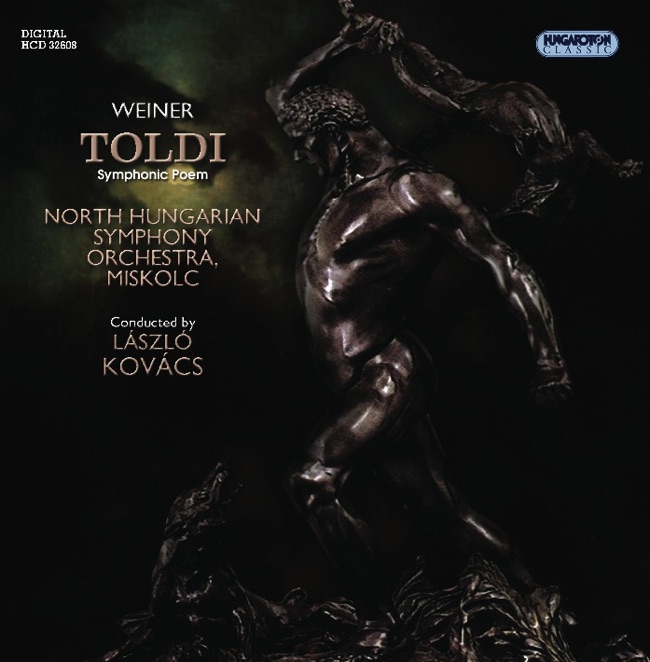 March 11, 2013
 -
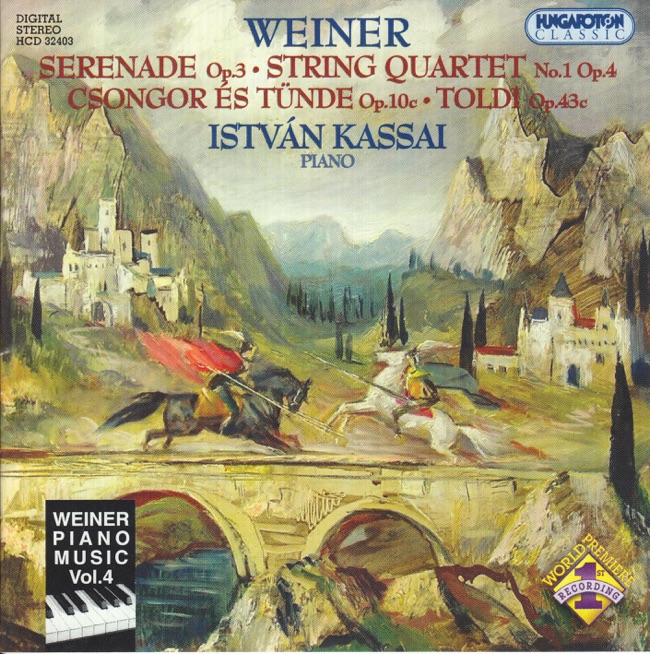
-
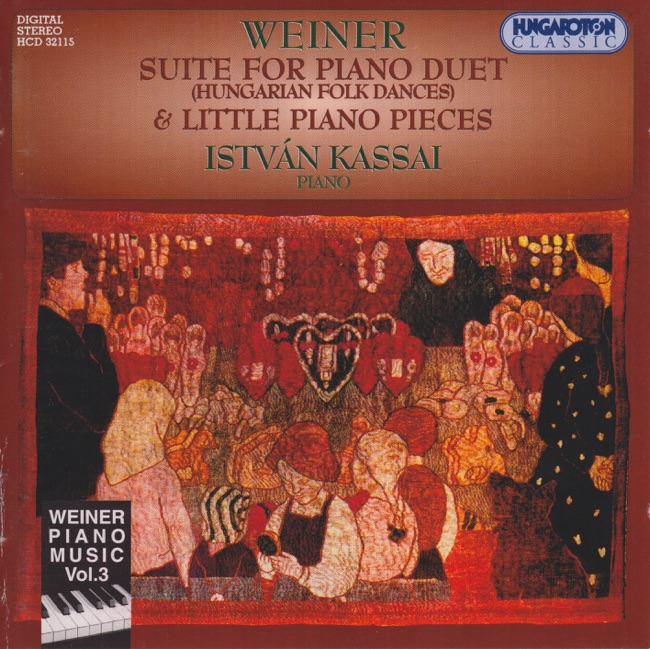 December 2, 2003
Ballet
-
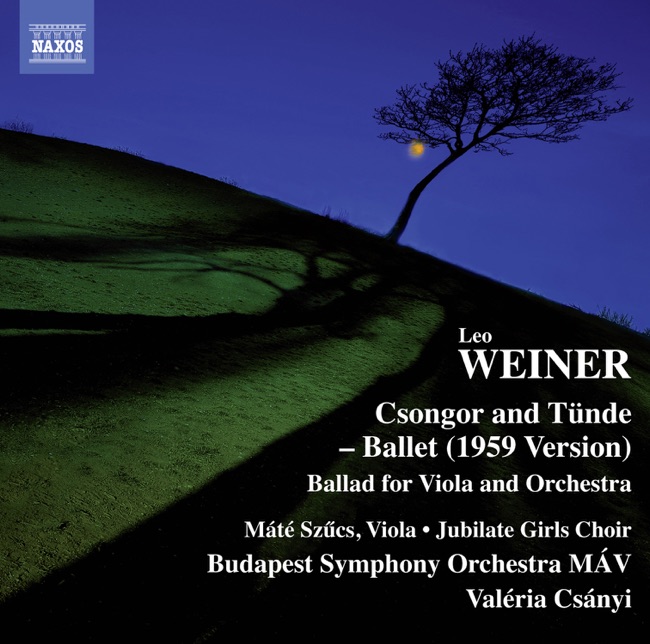 February 12, 2016
 -
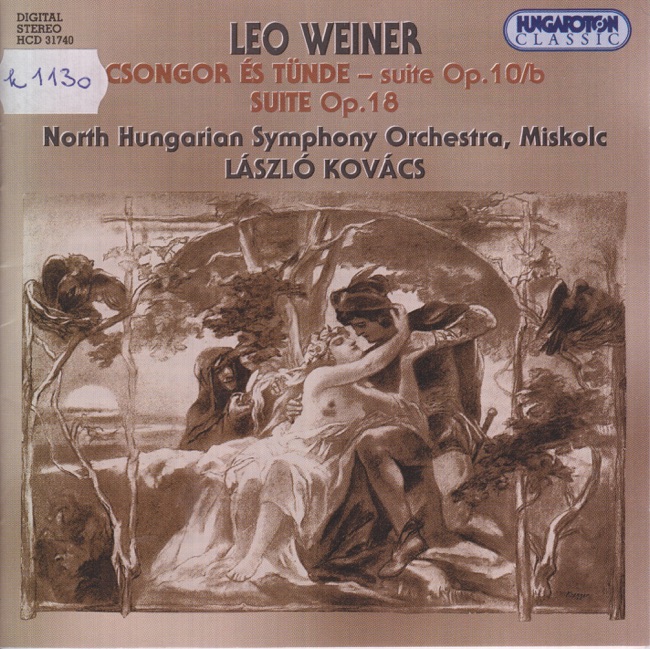 December 1, 1997
Artist Info
Role:ComposerCountry: HungaryBirth:April 16, 1885 in Budapest, HungaryDeath:September 13, 1960 in Budapest, HungaryPeriod:ModernGenre:ChamberKeyboardOrchestralLeó Weiner was a Hungarian composer, conductor, and music educator who was born on April 16, 1885, in Budapest, Hungary. He was the youngest of three children born to a Jewish family. His father, Ignác Weiner, was a successful businessman, and his mother, Róza Kohn, was a talented pianist who gave her son his first music lessons. Weiner showed an early aptitude for music and began studying the violin and piano at a young age. He attended the Franz Liszt Academy of Music in Budapest, where he studied composition with Hans Koessler and violin with Jenő Hubay. He graduated in 1906 with a degree in composition and began his career as a composer and conductor. In 1908, Weiner became the conductor of the Budapest Symphony Orchestra, a position he held for 25 years. He also taught at the Franz Liszt Academy of Music, where he became a professor of composition in 1919. He was a highly respected teacher and many of his students went on to become successful composers and conductors. Weiner's music is characterized by its lyricism, rich harmonies, and use of Hungarian folk melodies. He was influenced by the music of Johannes Brahms, Richard Strauss, and Béla Bartók, among others. His early works, such as his String Quartet No. 1 and his Piano Trio, show the influence of Brahms and Strauss, while his later works, such as his Serenade for Small Orchestra and his Divertimento No. 1, show the influence of Bartók and other Hungarian folk music. One of Weiner's most famous works is his Serenade for Small Orchestra, which was composed in 1906. The piece is scored for a small orchestra and is divided into six movements. It is a charming and lyrical work that showcases Weiner's gift for melody and his skill as an orchestrator. The piece has become a staple of the chamber orchestra repertoire and is still frequently performed today. Another notable work by Weiner is his Divertimento No. 1, which was composed in 1938. The piece is scored for a small orchestra and is divided into four movements. It is a lively and energetic work that showcases Weiner's use of Hungarian folk melodies and rhythms. The piece has become a popular work in the orchestral repertoire and is still frequently performed today. Weiner also composed a number of works for the stage, including several operas and ballets. His most famous opera is his Die Genueserin, which was composed in 1923. The opera is based on a play by Carlo Goldoni and tells the story of a young woman who disguises herself as a man in order to pursue her love interest. The opera is a charming and witty work that showcases Weiner's gift for melody and his skill as a composer for the stage. In addition to his work as a composer and conductor, Weiner was also a highly respected music educator. He believed that music education was essential for the development of young musicians and was a strong advocate for the inclusion of music in the school curriculum. He wrote several books on music education, including his influential book, The Education of the Young Musician. Weiner died on September 13, 1960, in Budapest, Hungary. He left behind a legacy as one of Hungary's most important composers and educators. His music continues to be performed and recorded today, and his influence can be heard in the works of many contemporary composers.More....
Recent Artist Music
3
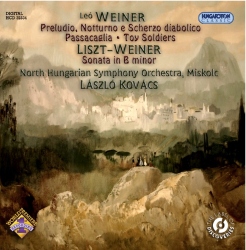
2:14
8
Prince Csongor and the Goblins, Op. 10
Prinz Csongor und die Kobolde (Introduction & Scherzo), Op.10
10:37
10
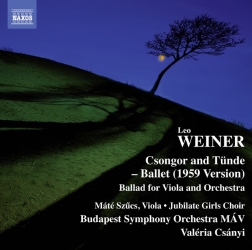
Csongor and Tünde, Op. 10
No. 2 Aranyalmafa. Tündérek kara (The Golden Apple Tree. The Choir of the Fairies)
2:39
13
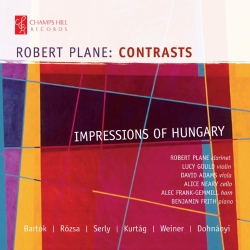
Peregi Verbunk for clarinet & piano "Hungarian Dances"
Peregi Verbunk for Clarinet and Piano
5:58
14

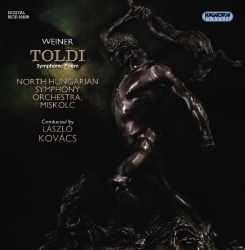
Toldi, Op.43c
I. The poet muses - The portrait of Miklós Toldi - Hot summer noon - The army of palatine Lacfi - Miklós indicates the way to Buda - The army moves on - Miklós walks home sadly, 'The range trembles under h
7:28
Recommend Playlist







Copyright Ⓒ 2013 Davinci Finger. All rights reseved
Service Terms & Policy