Leó Weiner
Peregi Verbunk for clarinet & piano "Hungarian Dances"
Released Album
Recent Album
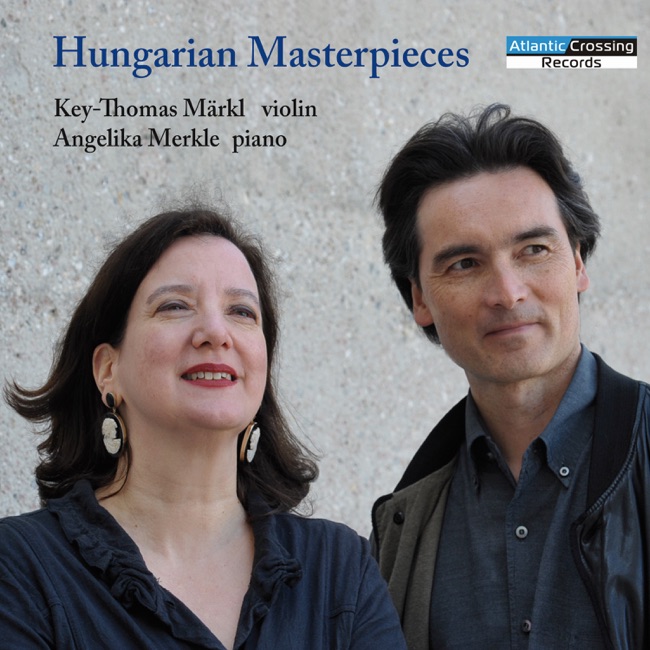
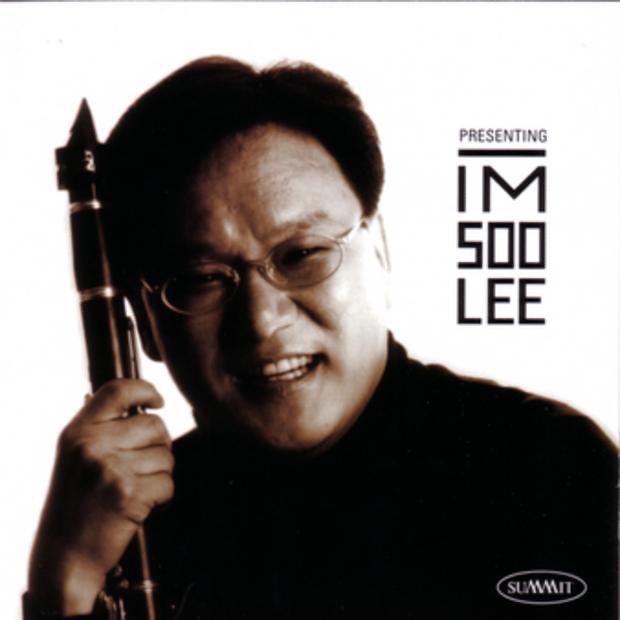
Featured Album
Works Info
Composer:Leó WeinerGenre:ChamberStyle:SonataCompose Date:1951Average_duration:6:17Leó Weiner's "Peregi Verbunk for clarinet & piano Hungarian Dances" is a composition that was written in 1938. It premiered in Budapest, Hungary, in the same year. The piece is divided into three movements, each with its own unique characteristics. The first movement, marked Allegro moderato, is a lively and energetic dance that features the clarinet and piano in a playful dialogue. The clarinet introduces the main theme, which is then echoed by the piano. The movement is characterized by its use of syncopated rhythms and virtuosic passages for both instruments. The second movement, marked Adagio, is a slow and lyrical piece that showcases the clarinet's expressive capabilities. The piano provides a gentle accompaniment, creating a serene and introspective atmosphere. The movement is notable for its use of chromaticism and rich harmonies. The final movement, marked Allegro vivace, is a fast and lively dance that brings the piece to a thrilling conclusion. The clarinet and piano engage in a spirited call-and-response, with both instruments trading off rapid-fire melodies and virtuosic runs. The movement is characterized by its use of Hungarian folk rhythms and melodies, giving the piece a distinctly nationalistic flavor. Overall, "Peregi Verbunk for clarinet & piano Hungarian Dances" is a masterful composition that showcases Leó Weiner's skill as a composer and his deep connection to Hungarian folk music. The piece is a beloved staple of the clarinet repertoire and continues to be performed and enjoyed by musicians and audiences around the world.More....
Works Music
Released Music
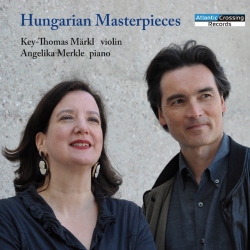
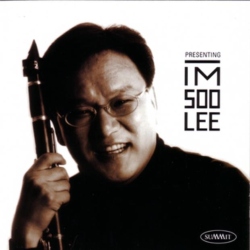
Featured Music